Share
Professor Hrvoje Kekez participates in the Leeds International Medieval Congress 2026
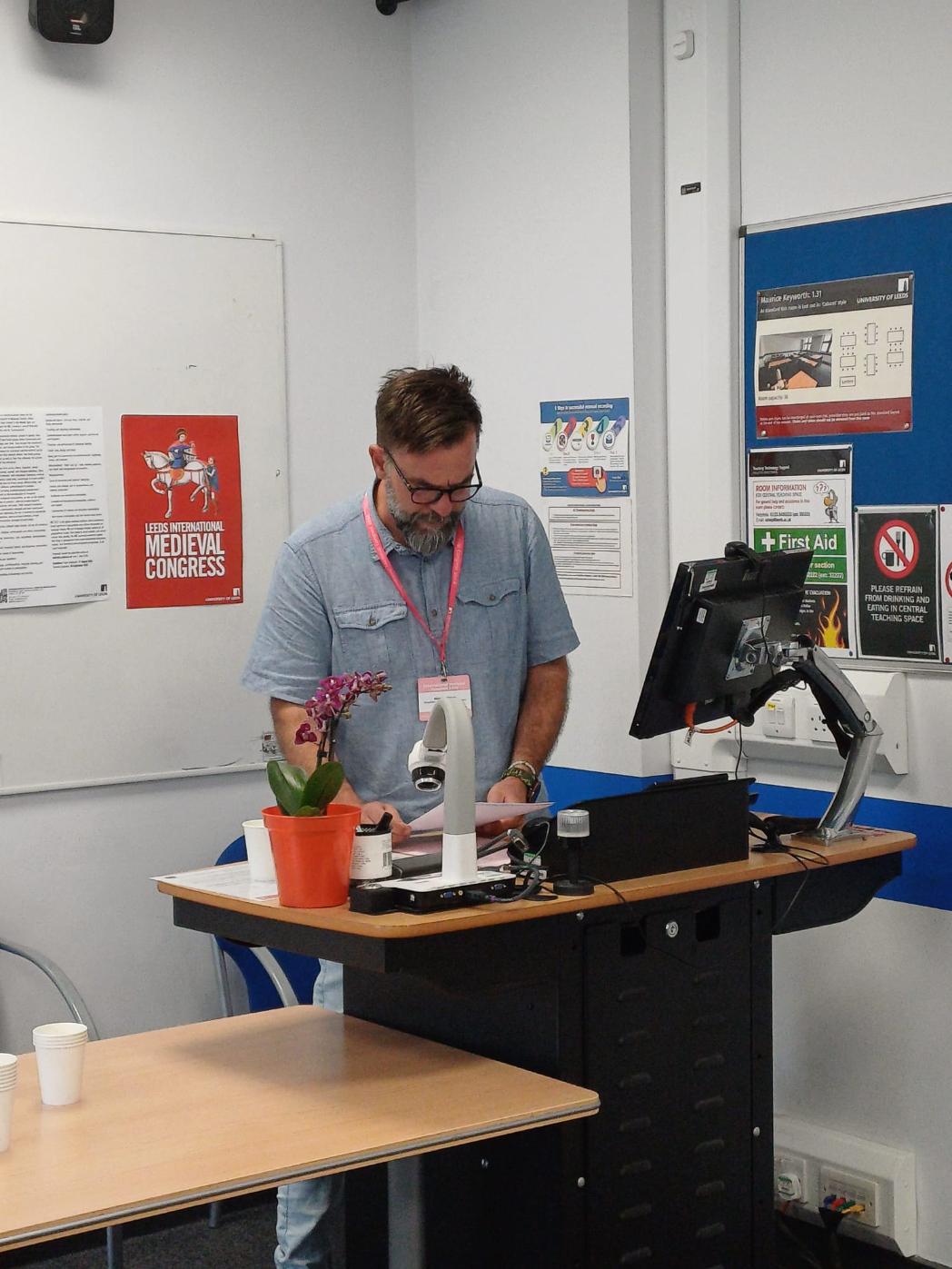
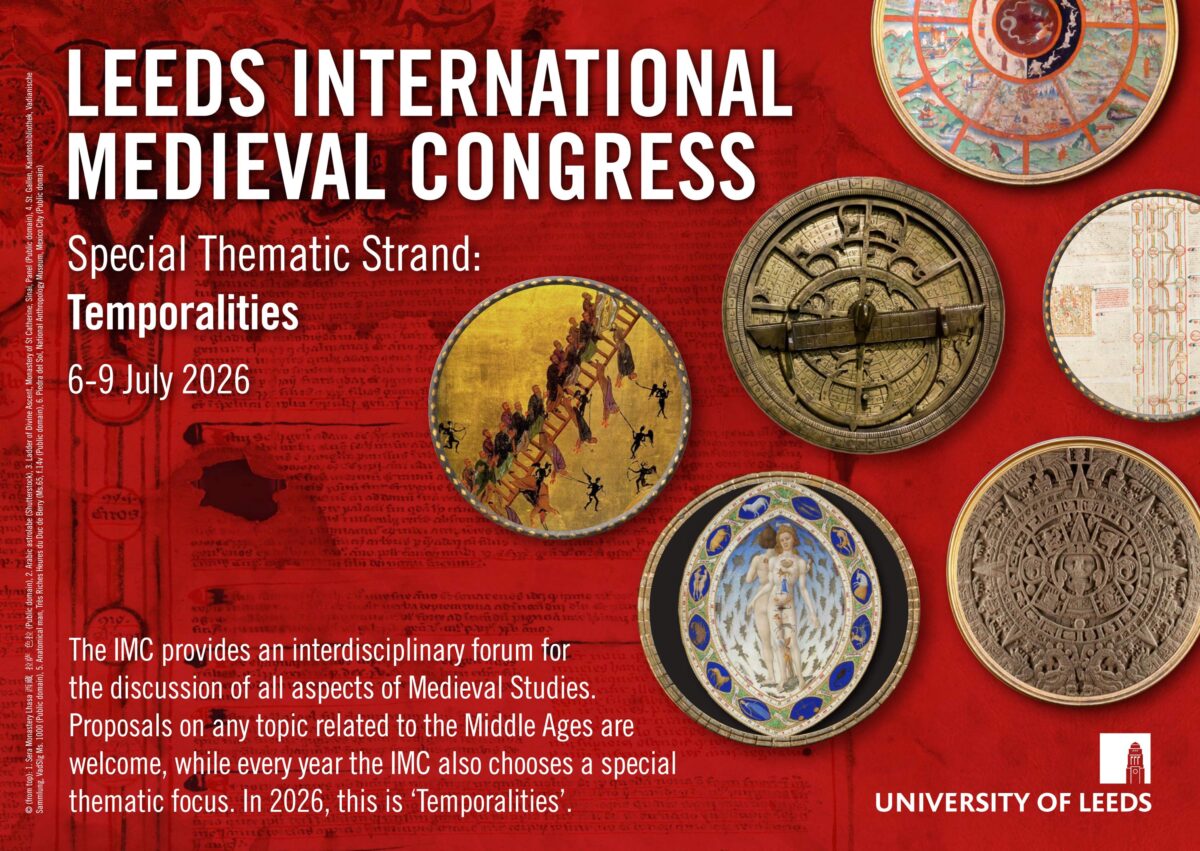
From July 6 to 9, 2026, the Leeds International Medieval Congress 2026, one of the world's largest international conferences in medieval studies, was held in Leeds. This year's theme was Temporalities. Among nearly 2,500 participants was Professor Hrvoje Kekez, PhD, from the University Department of History at the Catholic University of Croatia, participating as part of the research project The Battle of Krbava Field (1493): Context, Course, Consequences and Perception, conducted at the Catholic University of Croatia.
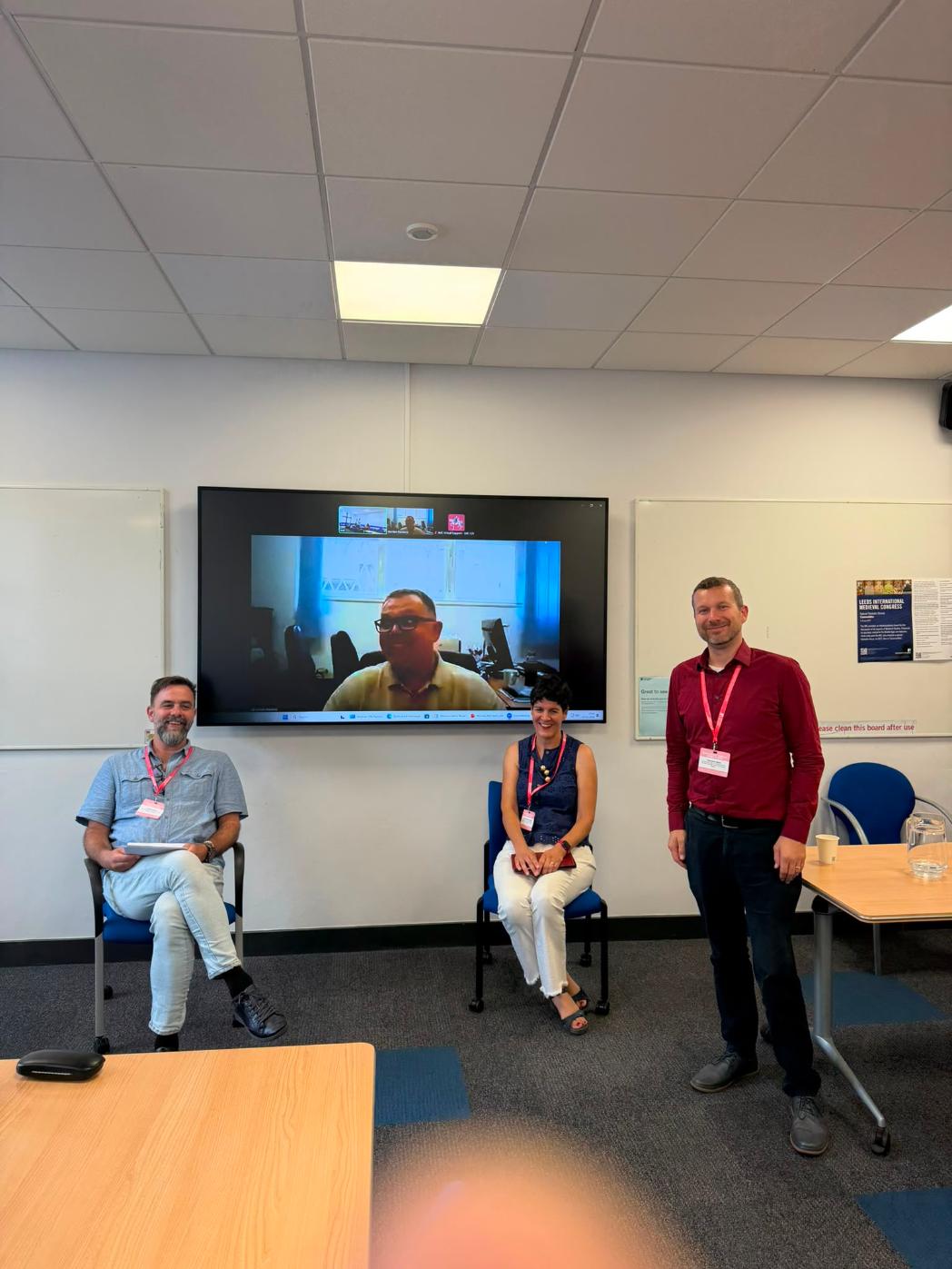
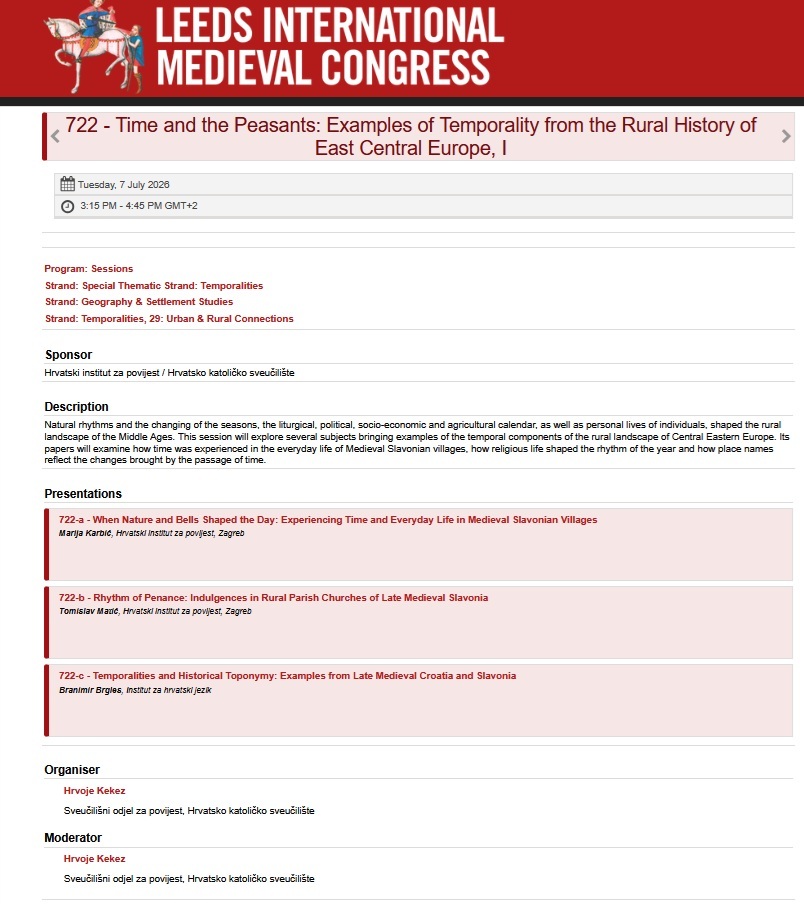
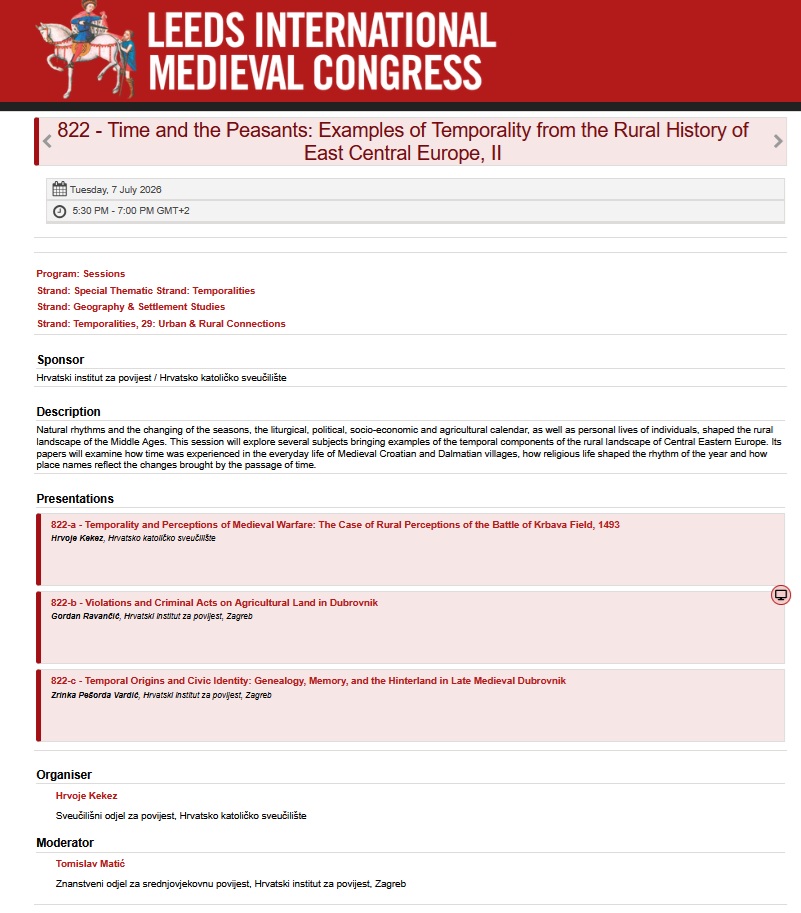
Professor Kekez organized two sessions entitled Time and the Peasants: Examples of Temporality from the Rural History of East Central Europe I and II, featuring presentations by scholars from Croatia. The first session, chaired by Professor Kekez, included papers by Dr. Marija Karbić and Dr. Tomislav Matić of the Croatian Institute of History, and Dr. Branimir Brgles of the Institute of Croatian Language. The second session featured presentations by Professor Kekez, Dr. Gordan Ravančić, and Dr. Zrinka Pešorda Vardić of the Croatian Institute of History, while Dr. Matić served as moderator.
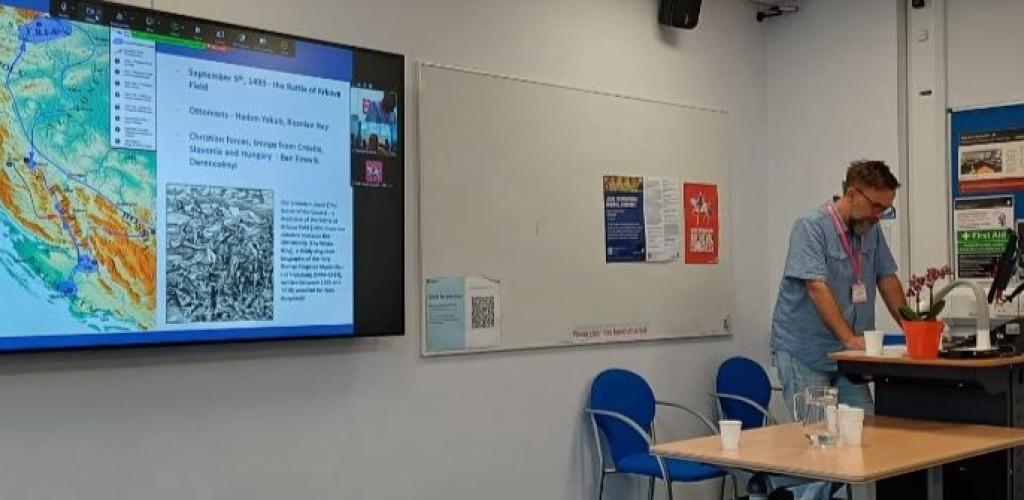
Professor Kekez delivered a paper entitled “Temporality and Perceptions of Medieval Warfare: The Case of Rural Perceptions of the Battle of Krbava Field, 1493,” in which he examined how the narrative of the Battle of Krbava Field (1493) has been preserved in collective memory from the early modern period to the present day, with particular emphasis on its presence in chronicles and oral tradition. Special attention was devoted to the role of Andrija Kačić Miošić and Croatian oral epic poetry in shaping and transmitting the memory of the battle, demonstrating how historical events were often adapted to the needs of oral tradition.
The presentation also demonstrated that the narrative of the Battle of Krbava Field spread beyond the Croatian lands, remaining present among the Croatian community in Molise and among the Muslim population of Bosnia, where it acquired new interpretations. In the concluding part of the lecture, Professor Kekez examined the role of collective memory in shaping national identity and the way in which the Battle of Krbava Field became a symbol of suffering, resistance, and the historical continuity of the Croatian people. He concluded by emphasizing that contemporary memory culture, embodied above all in the Memorial Centre in Udbina, confirms the enduring significance of the Battle of Krbava Field in Croatian historical consciousness.