Share
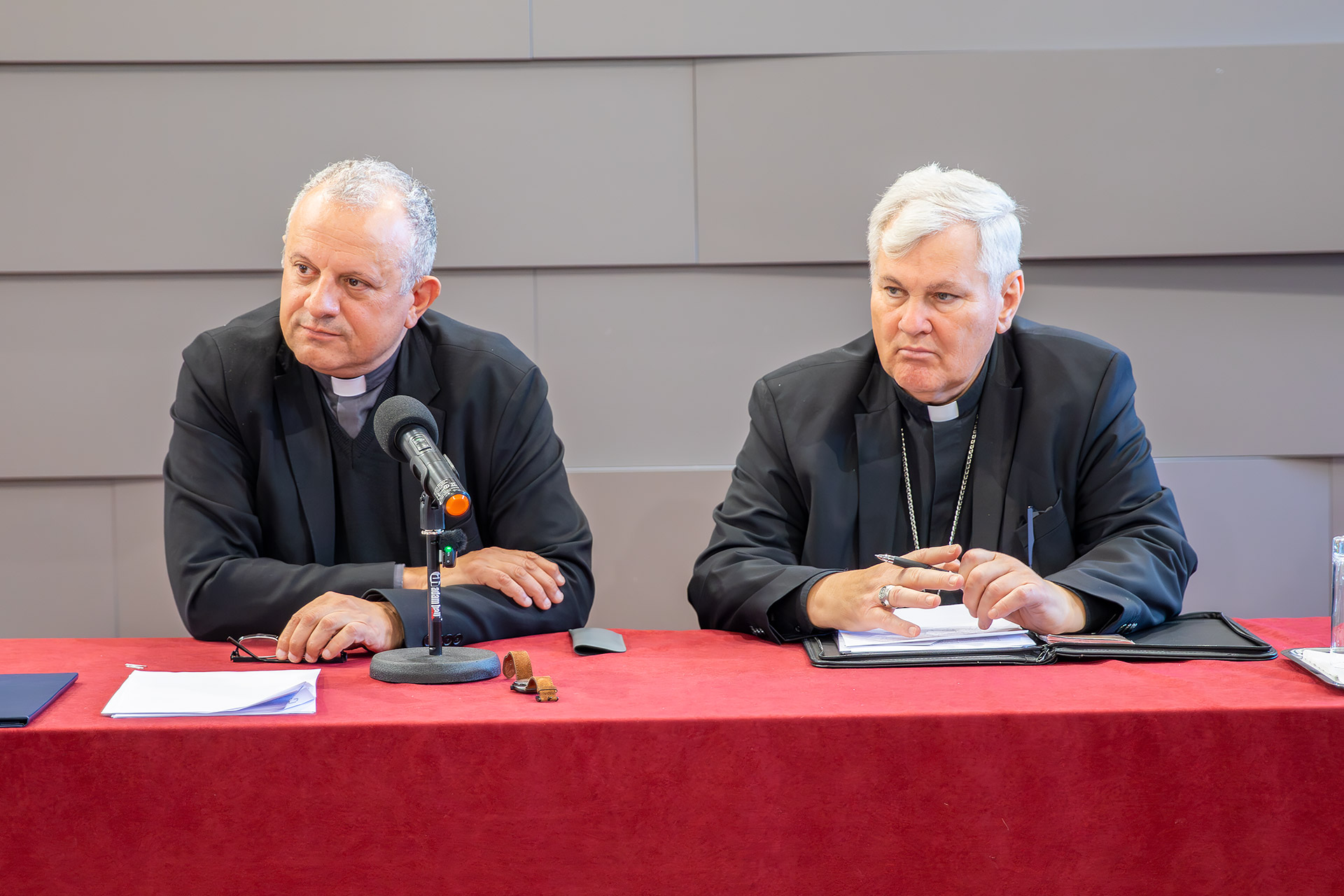
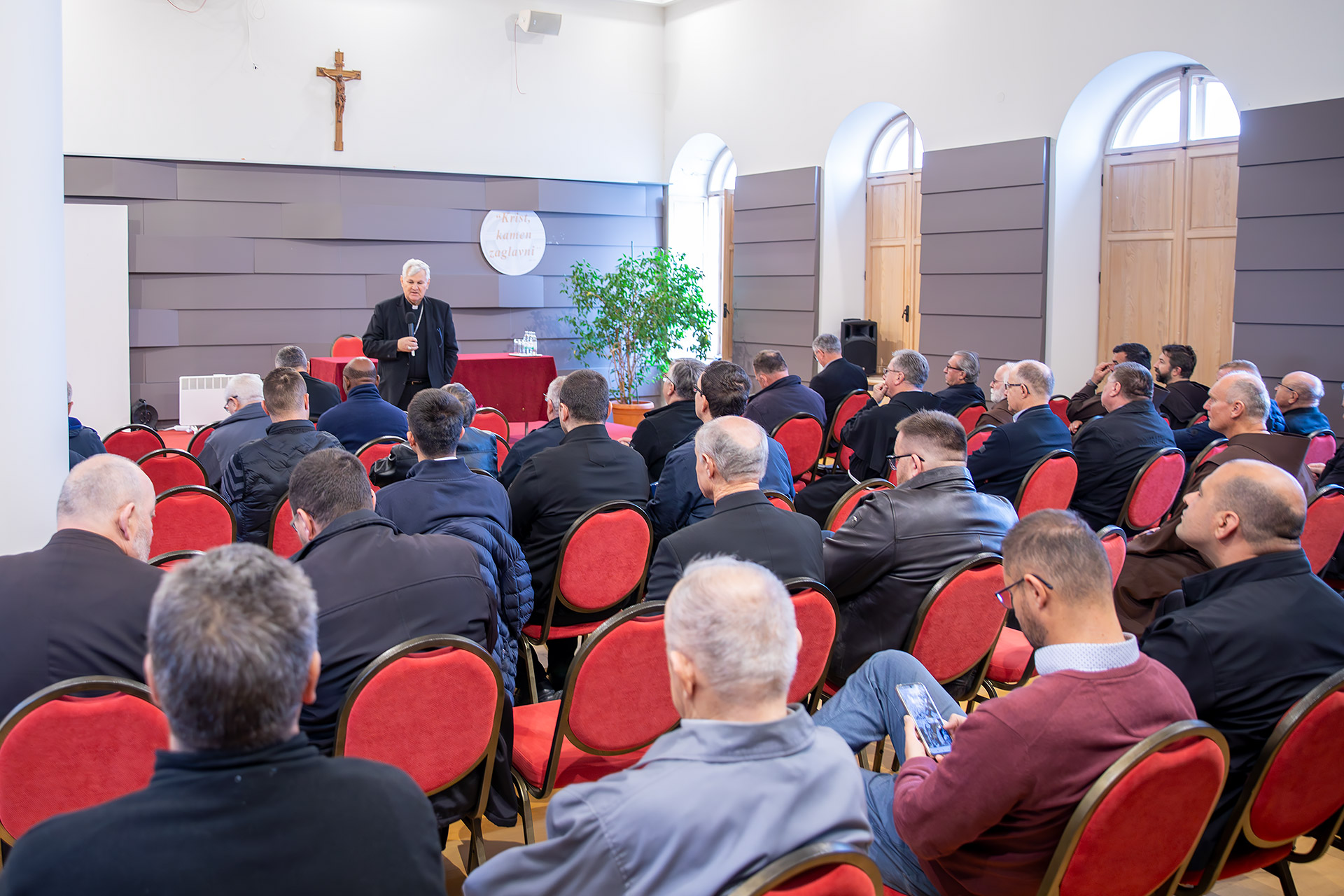
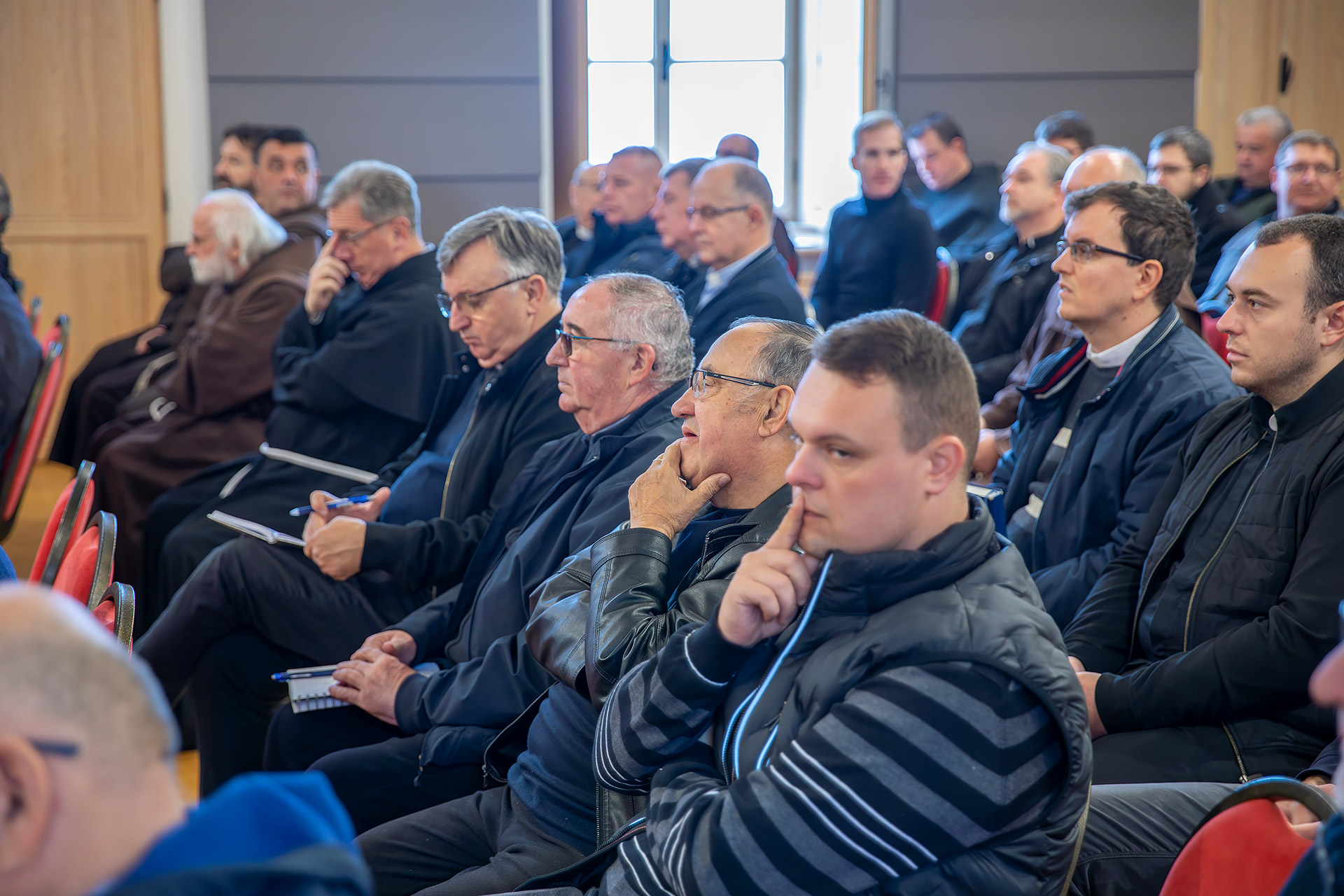
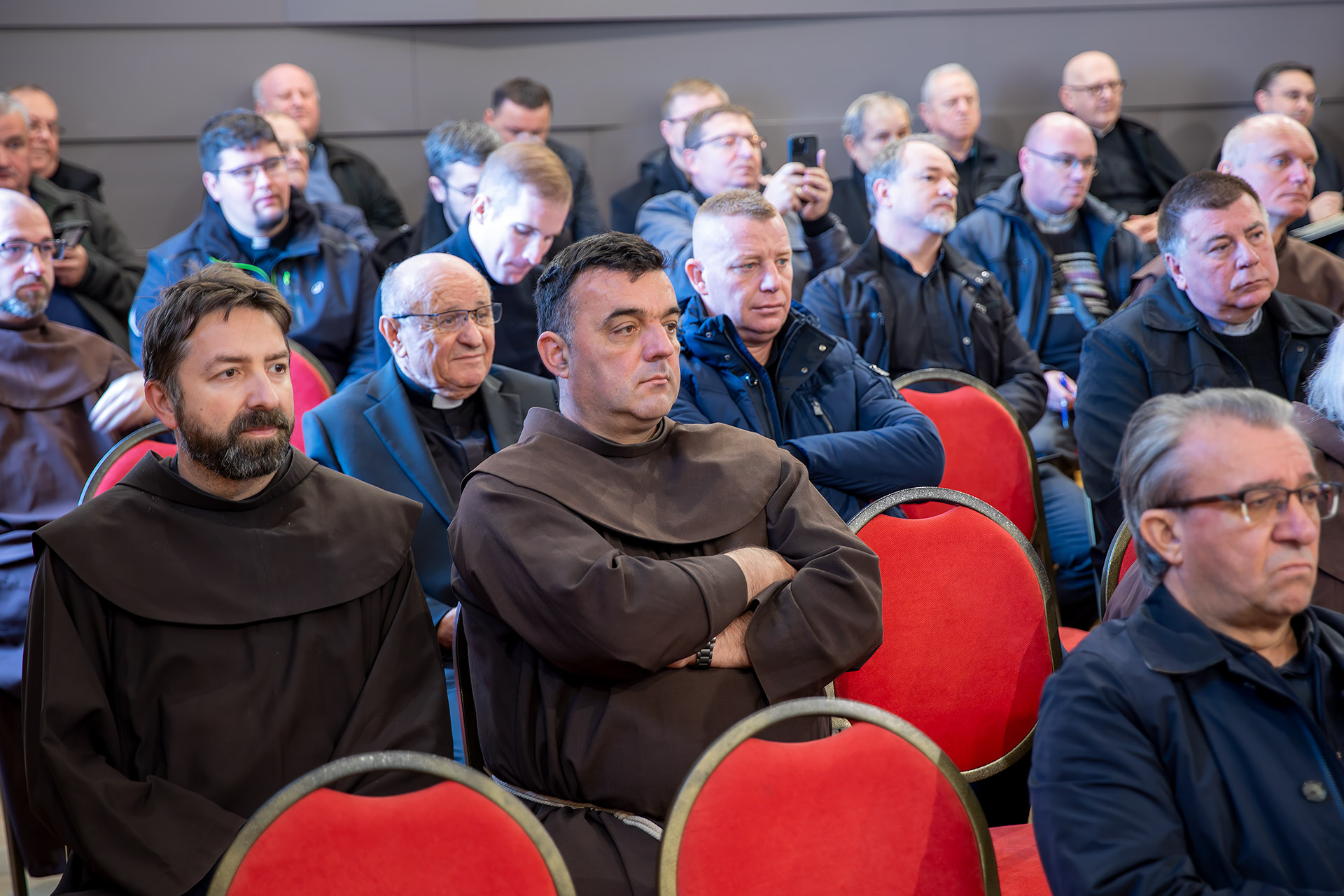
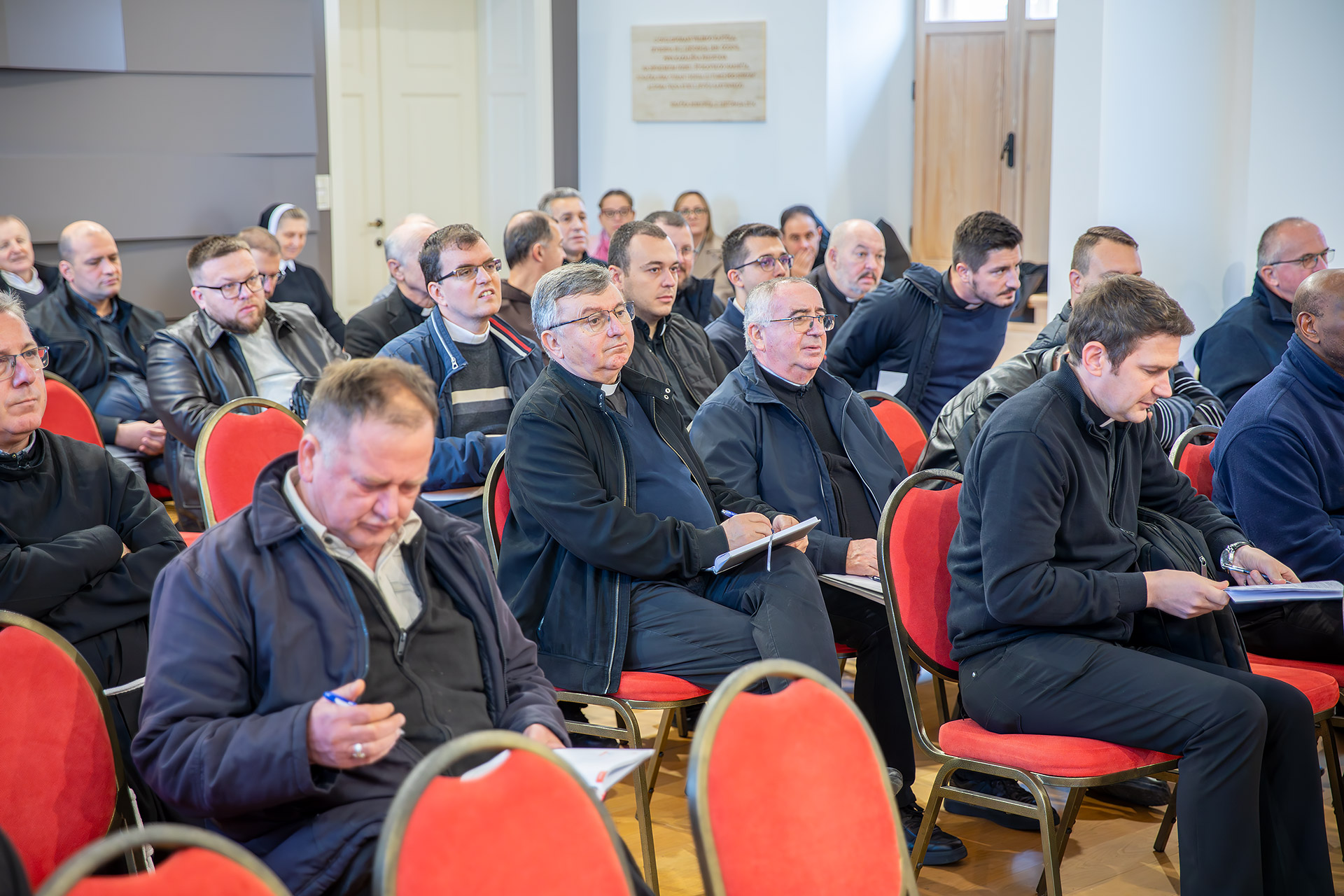
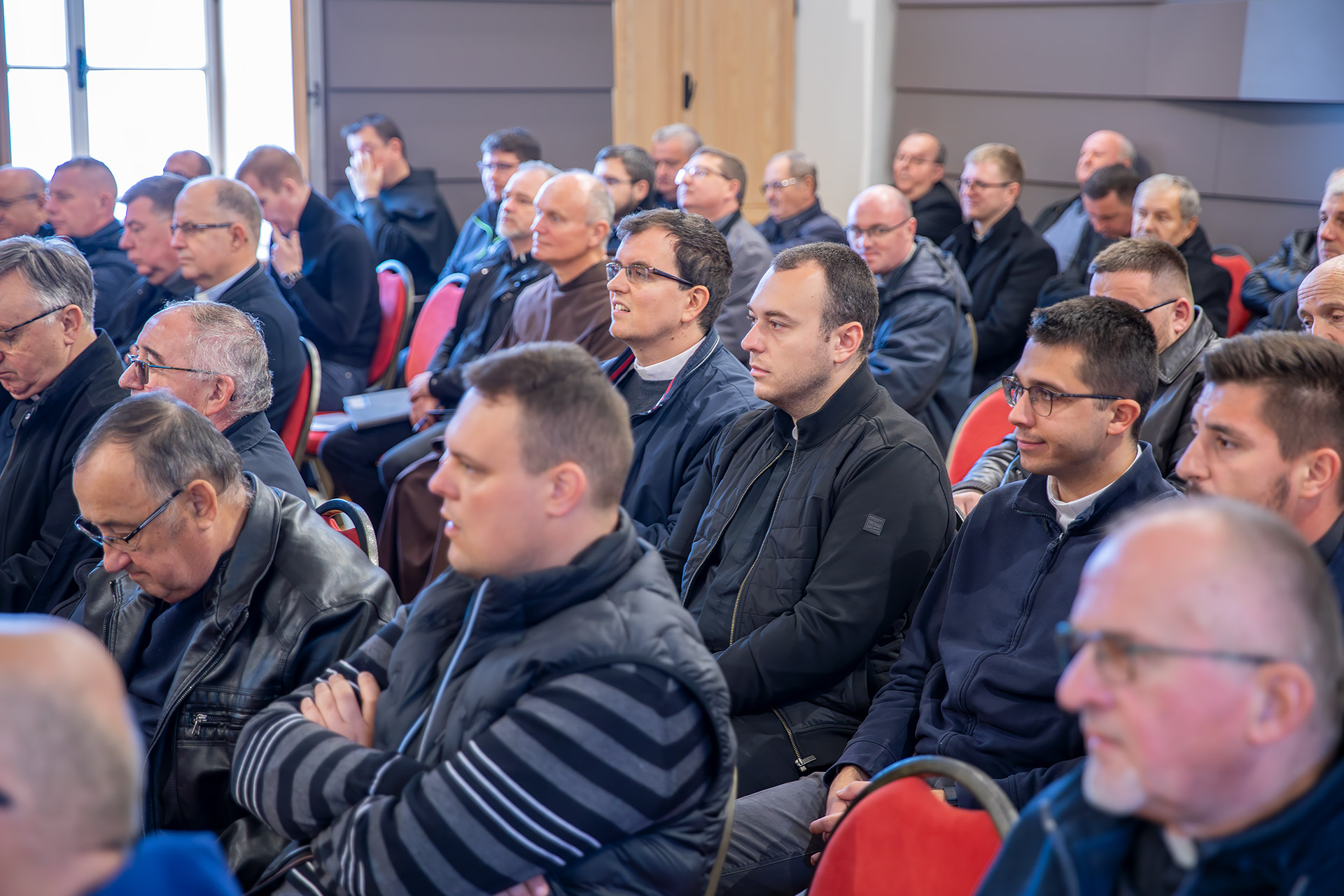
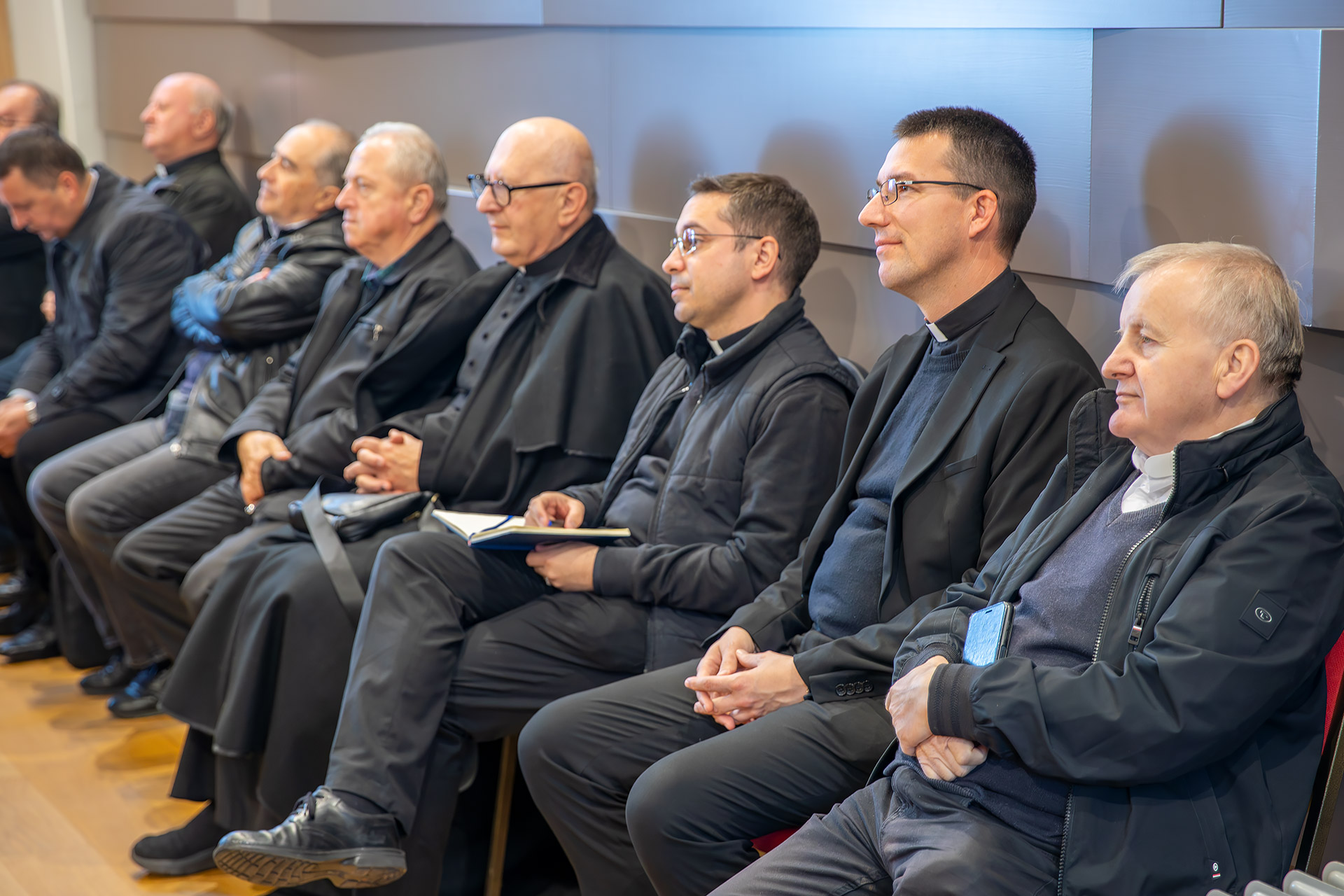
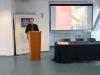
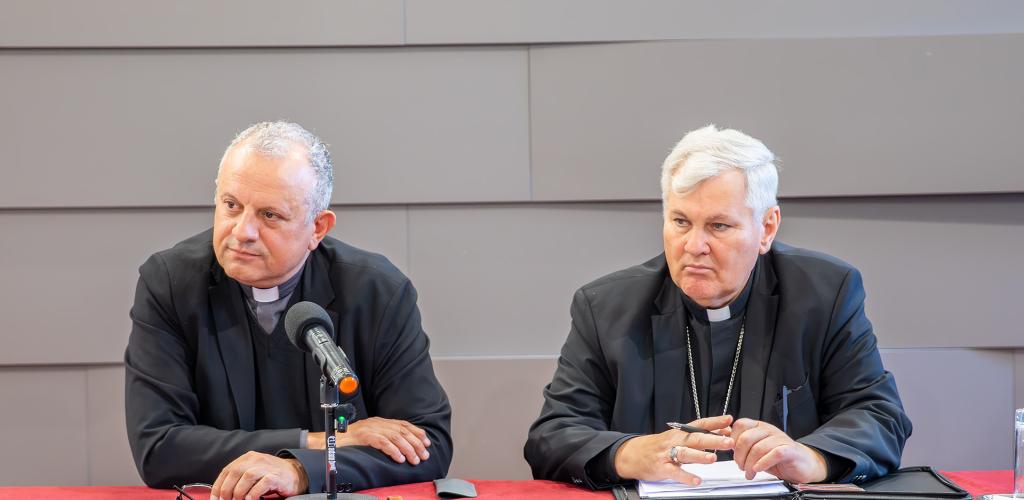
IKA prenosi kako je svećenički dan Sisačke biskupije održan u četvrtak 6. studenoga u Biskupijskom ordinarijatu u Sisku pod predsjedanjem biskupa Vlade Košića. Predavanje o temi „Drugi vatikanski koncil – 60 godina poslije“ održao je rektor Hrvatskoga kat
The Croatian Catholic News Agency (IKA) reports that the Priests’ Day of the Diocese of Sisak was held on Thursday, 6 November, at the Diocesan Ordinariate in Sisak, under the presidency of Bishop Vlado Košić. The lecture on the topic “The Second Vatican Council – 60 Years Later” was delivered by Professor Željko Tanjić, Ph.D., Rector of the Catholic University of Croatia.
At the beginning, Rector Tanjić emphasized that the Council must be understood both as an event and as a collection of documents. He stated that its interpretation cannot follow a logic of discontinuity, but rather a hermeneutic of reform—a renewal in the continuity of the Church. Referring to the opening address of St. John XXIII, he underlined the Council’s method of dialogue and mercy and warned against two misinterpretations: the so-called “spirit of the Council,” which relativizes doctrine, and rigid negationism, which reduces everything to a problem. The reception of the Council, he said, “came in waves,” but it has borne lasting fruits—particularly a sense of the universality of the Church through the experience of bishops from all over the world.
Rector Tanjić highlighted three key emphases:
The Christological center of faith (Dei Verbum): at the heart of Christianity is not a system, but the person of Jesus Christ;
The Church as “servant of the Word” and “People of God” (Lumen gentium): a reduction of triumphalism and a deeper awareness of the common dignity of all the baptized, of various ministries and charisms;
The return of Sacred Scripture to the life of the Church: the Word of God once again placed at the heart of preaching, catechesis, and spirituality.
He paid special attention to Dignitatis humanae and the correct understanding of religious freedom, stressing that the state does not determine truth and must not coerce conscience. He linked this to current debates on conscientious objection and human rights, remarking: “If freedom of conscience is endangered, the very heart of religious freedom is endangered.”
Rector Tanjić also addressed the liturgical reform, noting that abuses and superficiality should not be attributed to the Council itself but to a misunderstanding of its theology and a lack of self-discipline. In conclusion, he called for fidelity to both the “event” and the “texts” of the Council:
“The Council was guided by the Holy Spirit – this remains the key to reading it today,”
he said, thanking priests for their pastoral dedication and encouraging them to remain faithful to truth, open to dialogue, and rooted in the Word amid contemporary challenges.
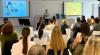
In the second part of the meeting, Bishop Vlado Košić addressed current diocesan matters and announced upcoming events in the life of the diocese. He first invited Rector Tanjić to present the mission and activities of the Catholic University of Croatia, encouraging priests to introduce young people in their parishes to the opportunities the University offers.
Bishop Košić expressed gratitude to all participants of the recent diocesan pilgrimage to Rome, which brought together around 500 faithful from the Diocese of Sisak. He then announced several forthcoming events, including the altar servers’ gathering in Lasinja (7–8 November), the national celebration of St. Hubert in the Basilica of St. Quirinus, and a memorial Mass for Fr. Antun Grahovar at the Church of St. Mary Queen of Peace in Sisak (9 November). Later in the month, the meeting of parish Caritas representatives will be held in Sisak (22 November), followed by the meeting of Christian associations, communities, and movements in Budaševo (30 November), while the anniversary of the reestablishment of the Diocese will be celebrated on 5 December.
The meeting concluded with presentations by diocesan coordinators and office heads, who shared their upcoming plans and programs, according to the Diocesan Office for Public Relations.