Share
International Scientific Conference on Parliamentary Diplomacy Held
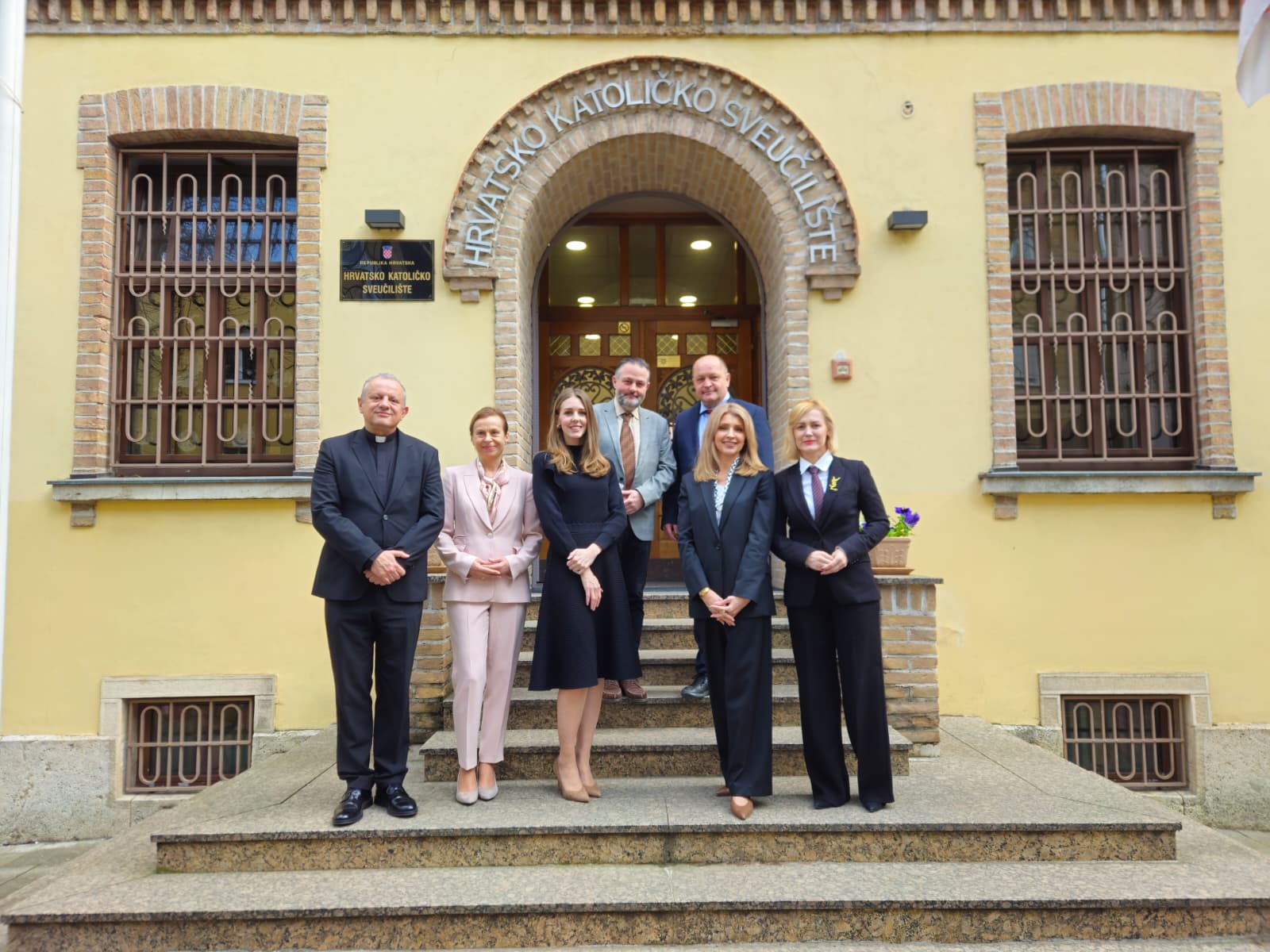
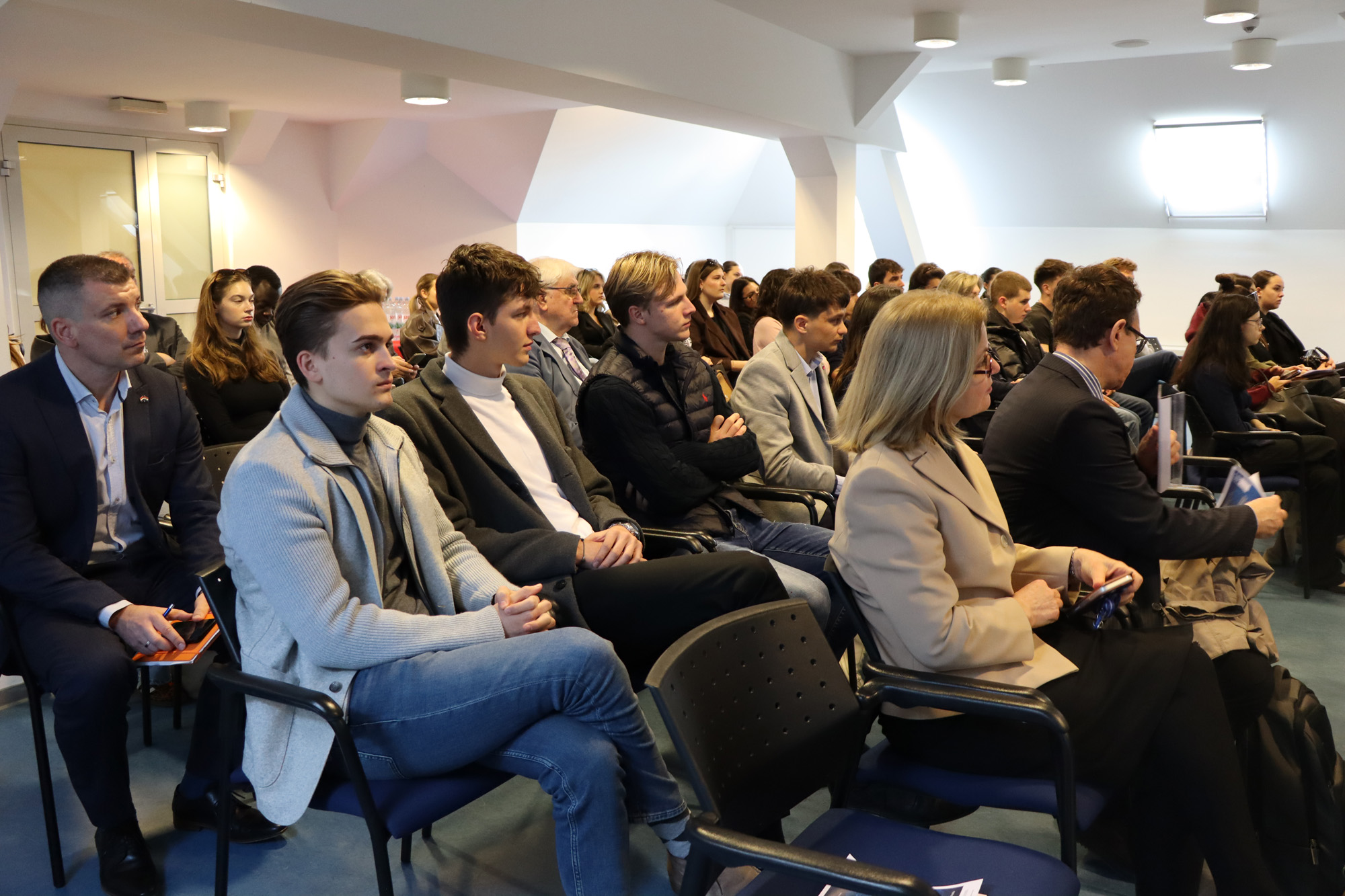
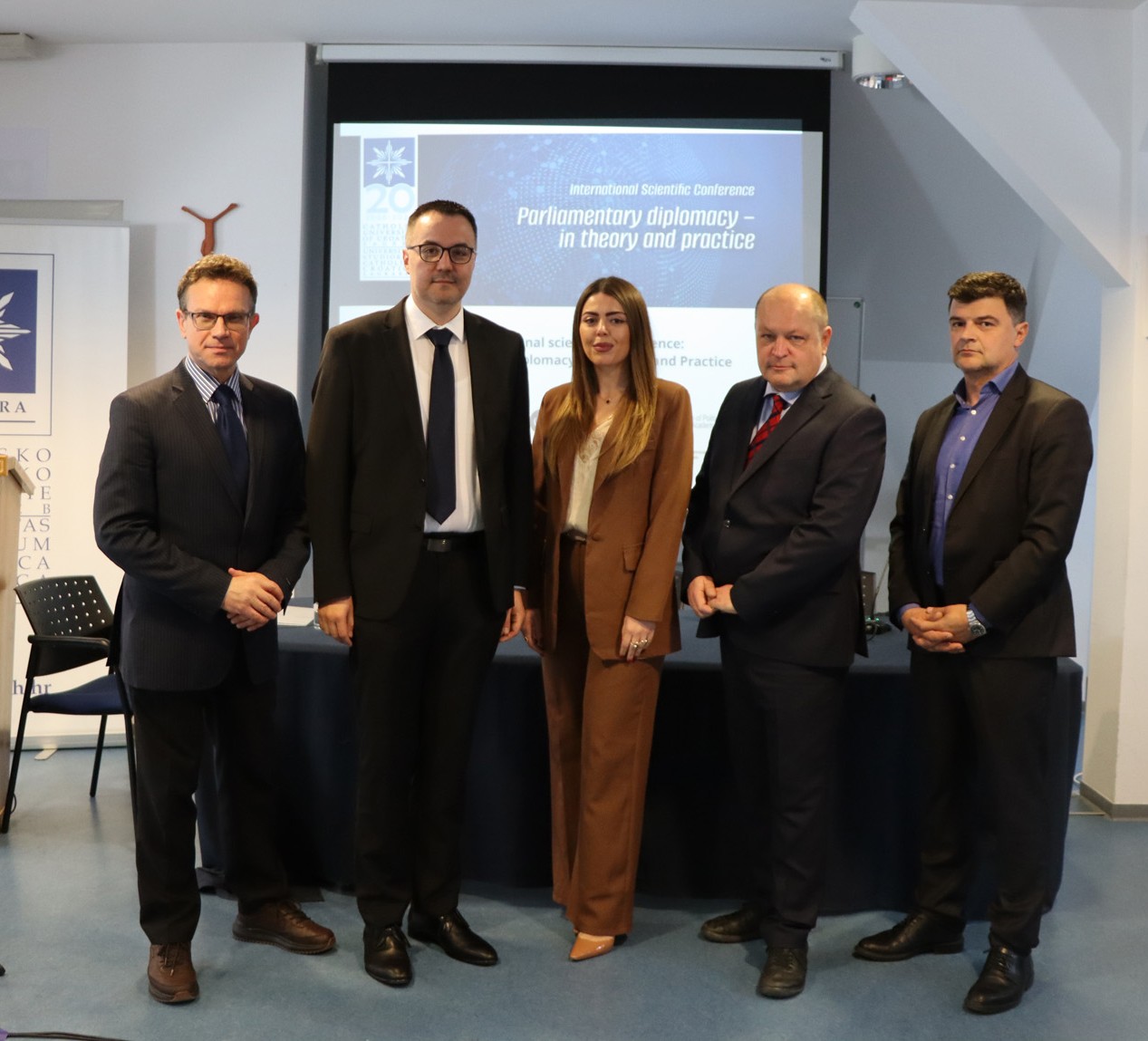
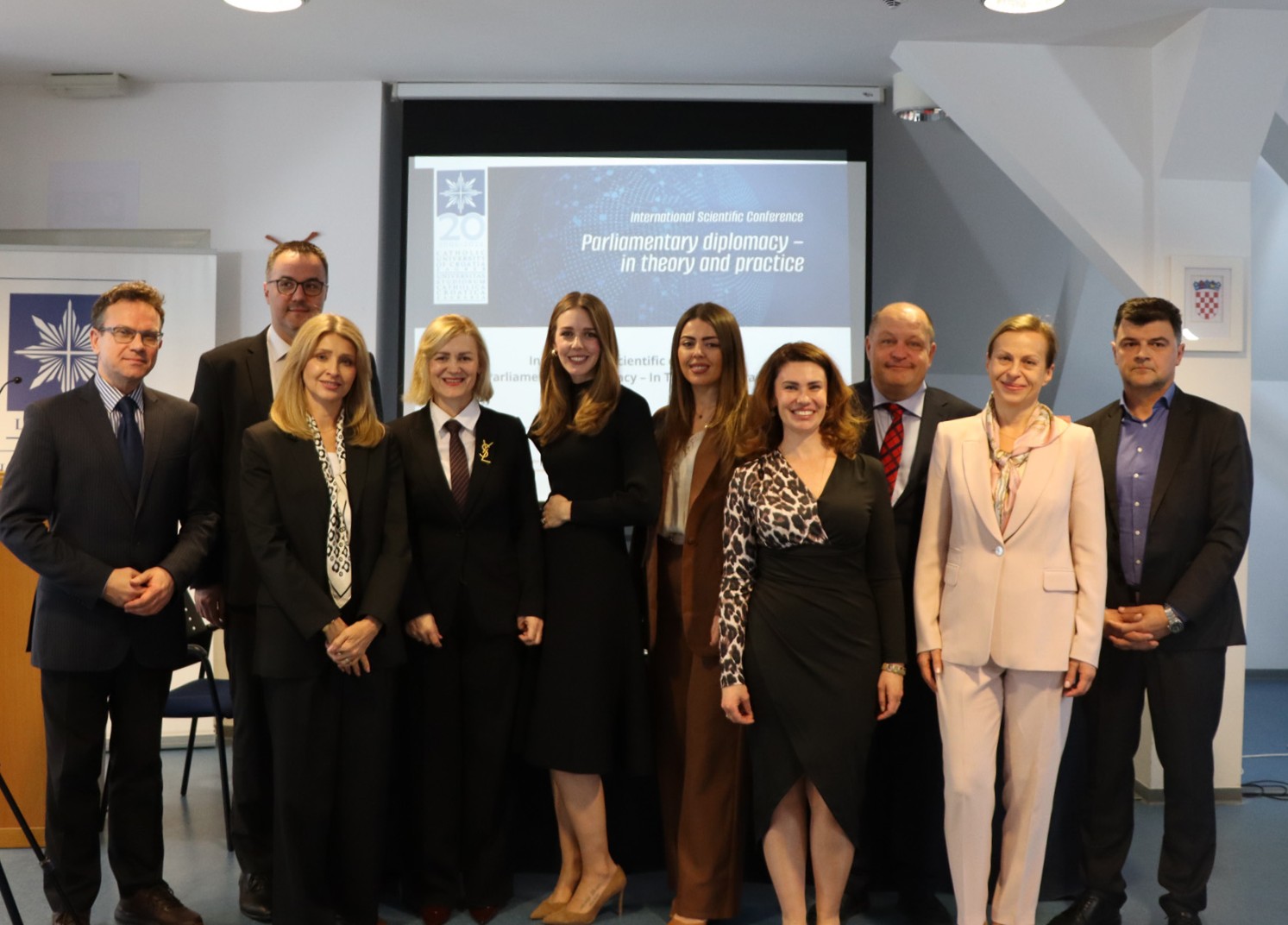
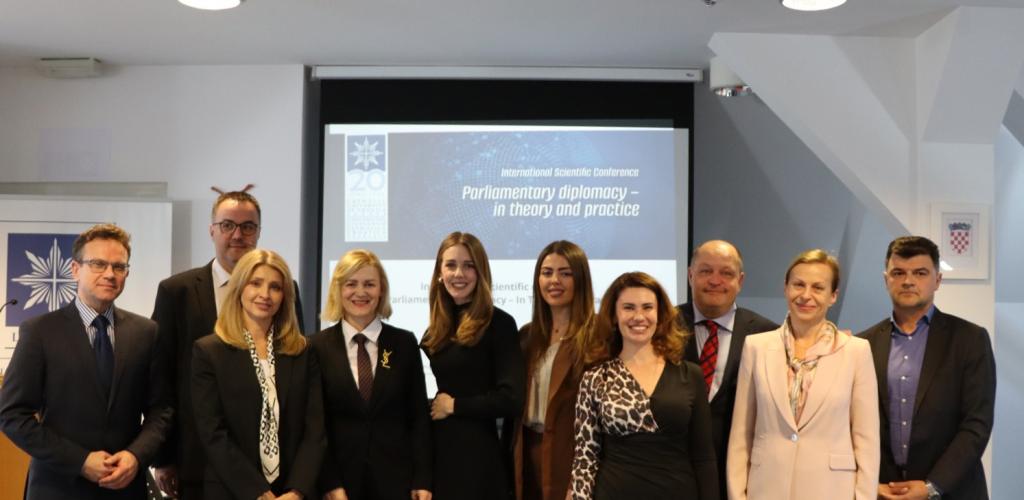
The international scientific conference Parliamentary Diplomacy in Theory and Practice (eng. Parliamentary Diplomacy – in Theory and Practice), organized by the Faculty of Law of the Catholic University of Croatia, the Centre for Diplomacy of the John Paul II Catholic University of Lublin, and the Institute of Political Studies of the Polish Academy of Sciences, was held on Tuesday, 24 March at the Catholic University of Croatia, in the “Bl. Alojzije Card. Stepinac” Hall.
The conference brought together Croatian and international scholars and experts in international relations, law, and political science. It was held on the occasion of the Parliamentary Summit of the Three Seas Initiative, organized by the Croatian Parliament on 24 and 25 March 2026 in Zagreb, under its patronage.
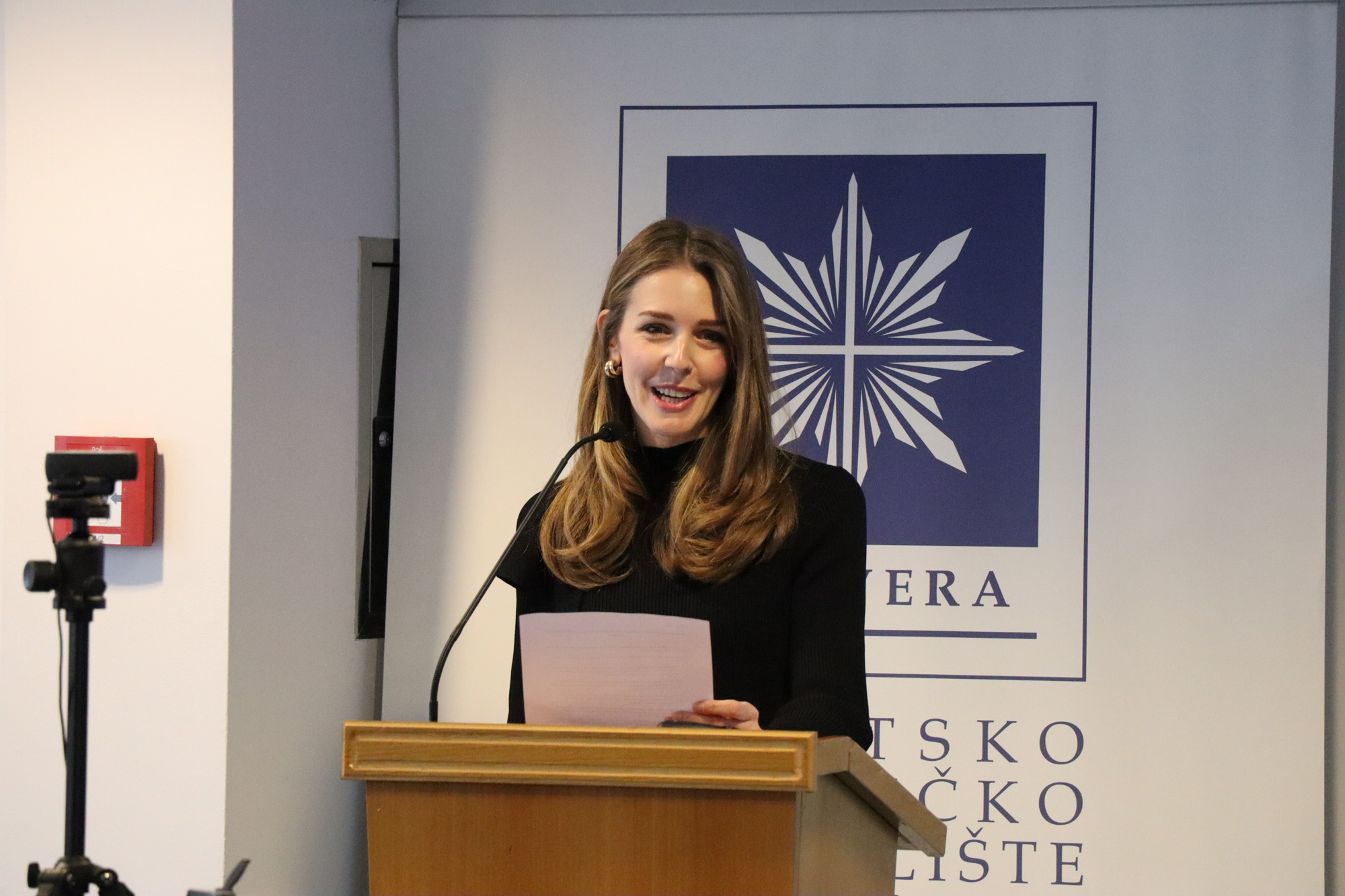
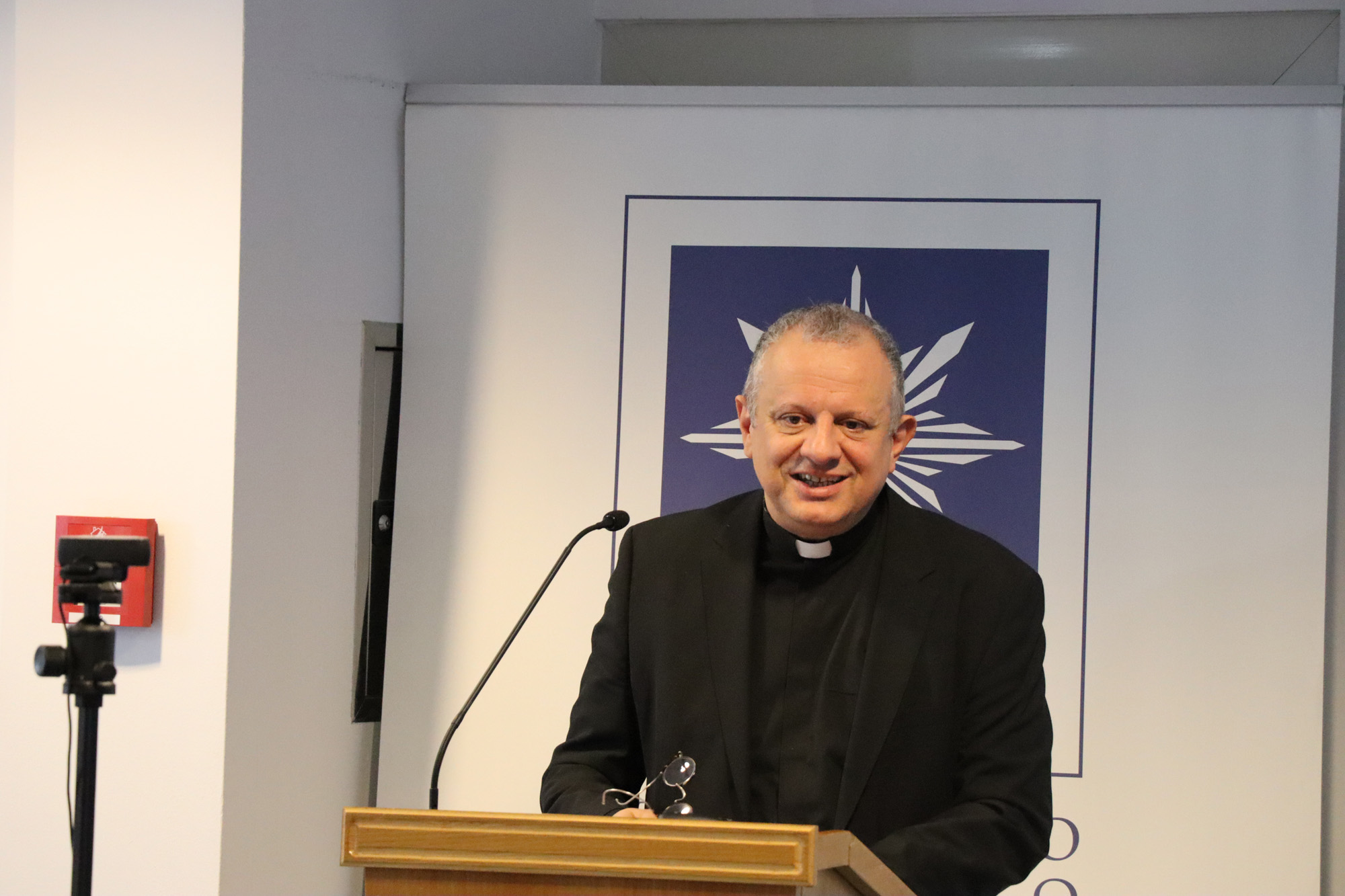
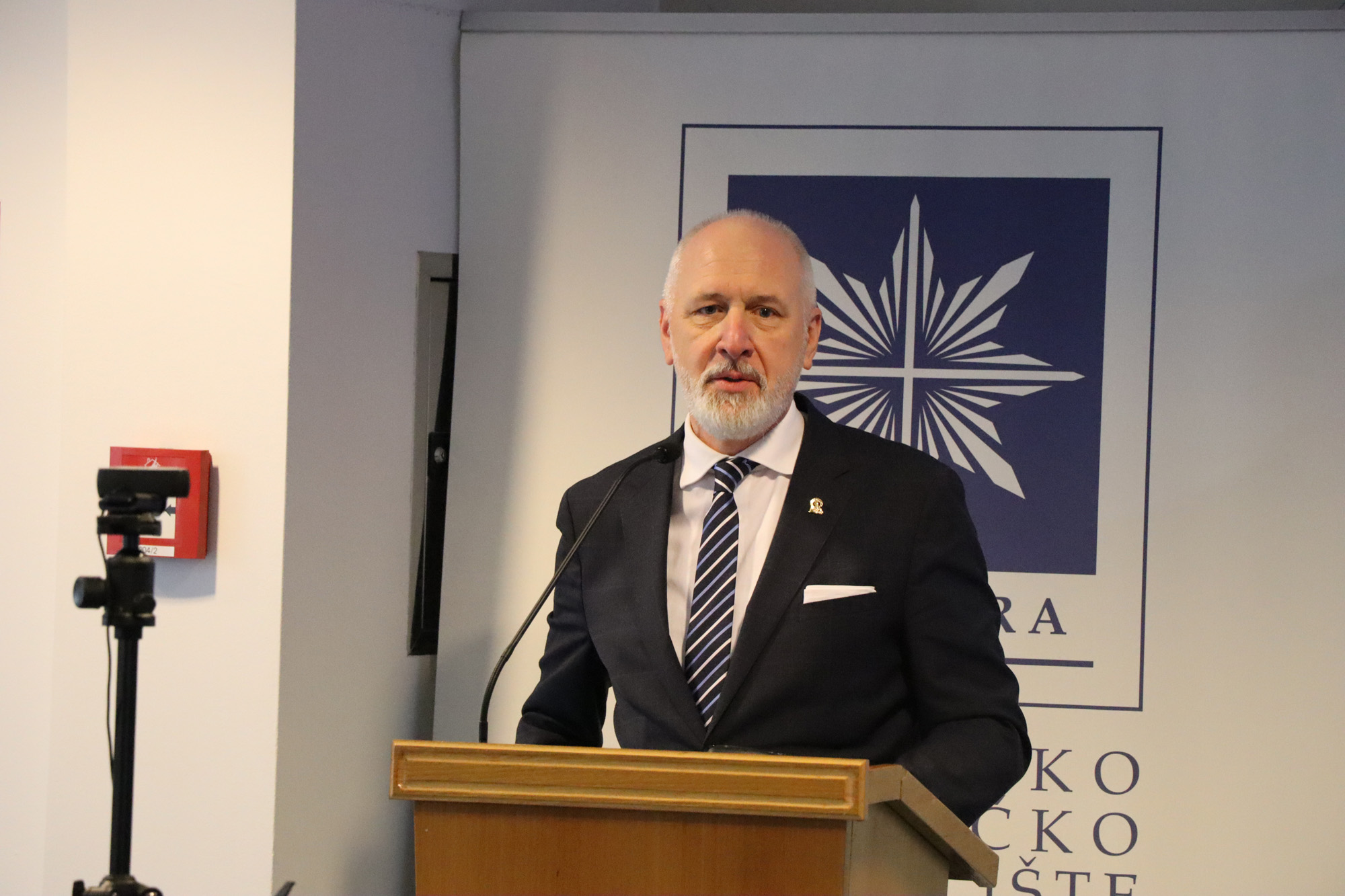
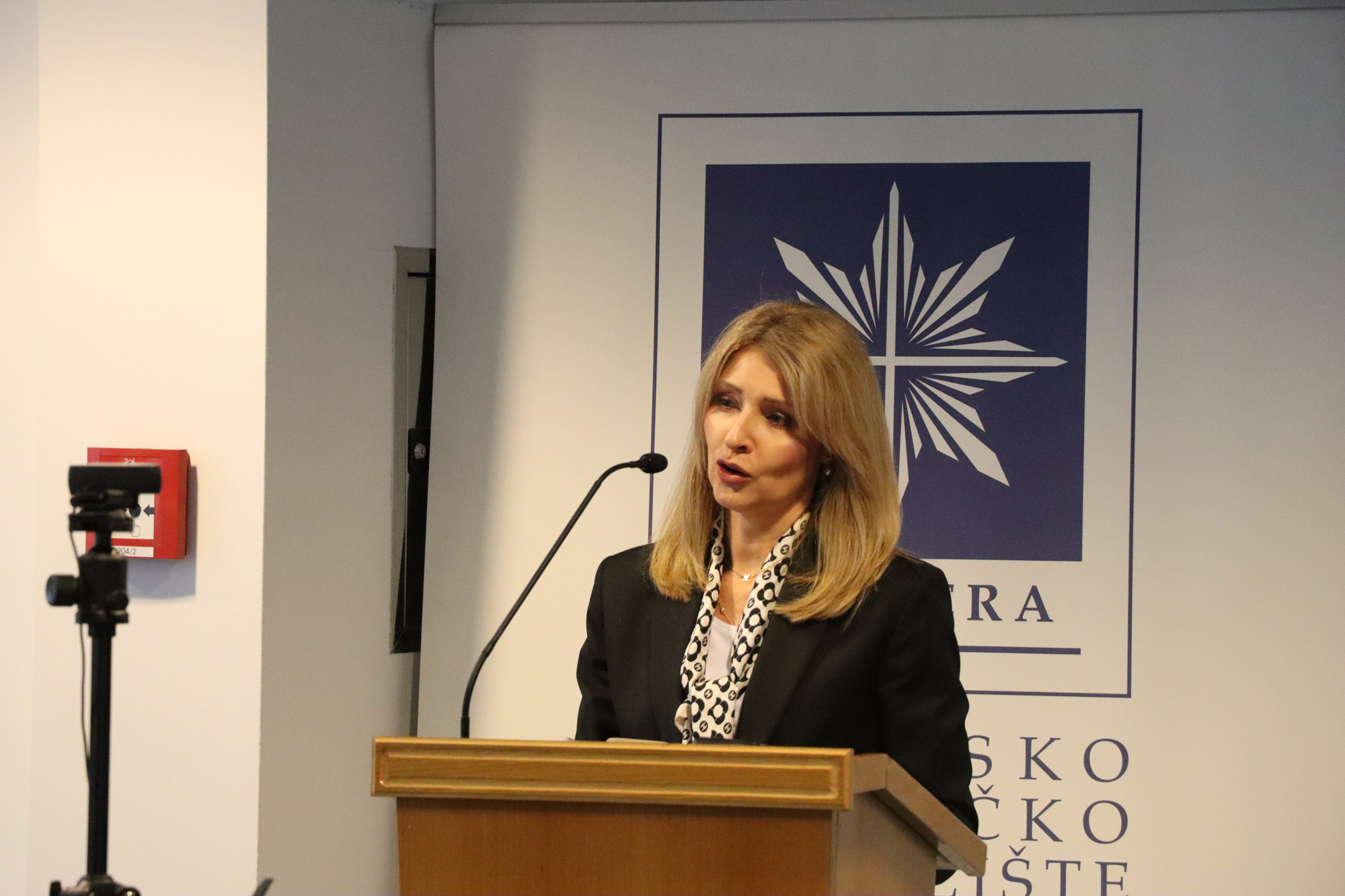
The programme began with opening remarks by Rector Prof. Željko Tanjić, PhD, and Member of Parliament Andro Krstulović-Opara, followed by two thematic panels dedicated to parliamentary diplomacy in theory and practice.
The first panel, focused on the conceptual framework of parliamentary diplomacy and regional cooperation, addressed key theoretical and historical questions of this increasingly important dimension of contemporary foreign policy. The panel was moderated by Karla Ressler, mag. iur.
Prof. Beata Piskorska, Vice-Rector for Students and Internationalization at the John Paul II Catholic University of Lublin, emphasized that parliamentary diplomacy is gaining importance in the context of globalization and the pluralization of international relations. She noted that it complements traditional state diplomacy, contributes to building trust, and promotes democratic values, while also pointing out its limitations, particularly the lack of executive authority.
Prof. Agnieszka Orzelska-Stączek from the Institute of Political Studies of the Polish Academy of Sciences spoke about the role of parliamentary diplomacy in shaping regional cooperation through the Three Seas Initiative. She analyzed different levels of cooperation—national parliaments and the European Parliament—and highlighted the importance of parliamentary forums in strengthening political dialogue and regional ties.
Assoc. Prof. Vlatka Vukelić, PhD, from the Faculty of Croatian Studies at the University of Zagreb, presented the historical development of the Three Seas Initiative, linking it to long-term geopolitical processes in Europe. She pointed to the continuity of transport and trade routes from antiquity to the present and emphasized that contemporary initiatives represent an attempt to renew strategic connections in Central Europe.
Dr. Michał Dworski from the Centre for Diplomacy of the John Paul II Catholic University of Lublin analyzed parliamentary diplomacy in the context of the Cold War, focusing on parliamentary structures in exile from Central and Eastern Europe and highlighting their role in preserving political continuity and international visibility for nations without state sovereignty.
Dr. Daniel Markovič from the Catholic University in Ružomberok addressed the impact of digital transformation and artificial intelligence on parliamentary diplomacy, emphasizing the need for international cooperation in establishing ethical and legislative frameworks for new technologies.
The second panel focused on parliamentary diplomacy as a component of modern diplomacy, with particular emphasis on national and European contexts, and was moderated by Assoc. Prof. Petra Palić, PhD.
Assoc. Prof. Vladimir Filipović, PhD, from Libertas International University analyzed the challenges that fragmented parliaments pose for parliamentary diplomacy, noting how political heterogeneity can complicate consensus in foreign policy, while also pointing to potential advantages of such systems in pluralistic societies.
Assist. Prof. Jakov Žižić, PhD, from the Catholic University of Croatia, spoke about the role of parliamentary diplomacy in the process of Croatian independence. He explained how the Croatian Parliament played a key role in international relations in the early 1990s and emphasized the importance of parliamentary contacts in achieving international recognition of the Republic of Croatia.
Assoc. Prof. Kristian Turkalj, PhD, from the Catholic University of Croatia, reflected on the role of parliamentary diplomacy in the process of accession to the European Union, highlighting the importance of the European Parliament in monitoring reforms and maintaining political dialogue with candidate countries.
Assist. Prof. Boško Picula, PhD, from the Faculty of Political Science at the University of Zagreb analyzed the relationship between the Croatian Parliament and the executive branch in shaping foreign policy. He pointed to the dominance of the executive in the operational conduct of foreign policy, while emphasizing the importance of parliament within the legislative and political framework of international action.