Share
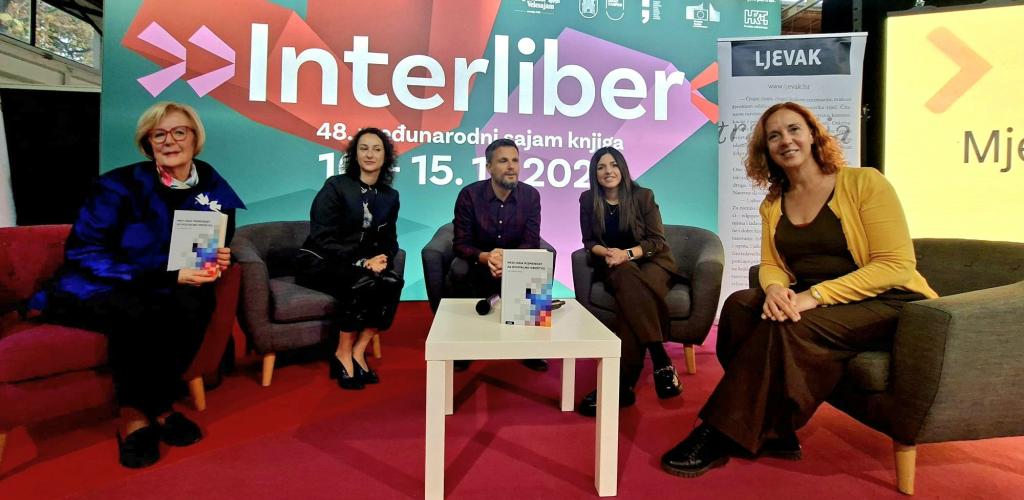
Leali Osmančević, PhD, participates in a roundtable discussion on media literacy
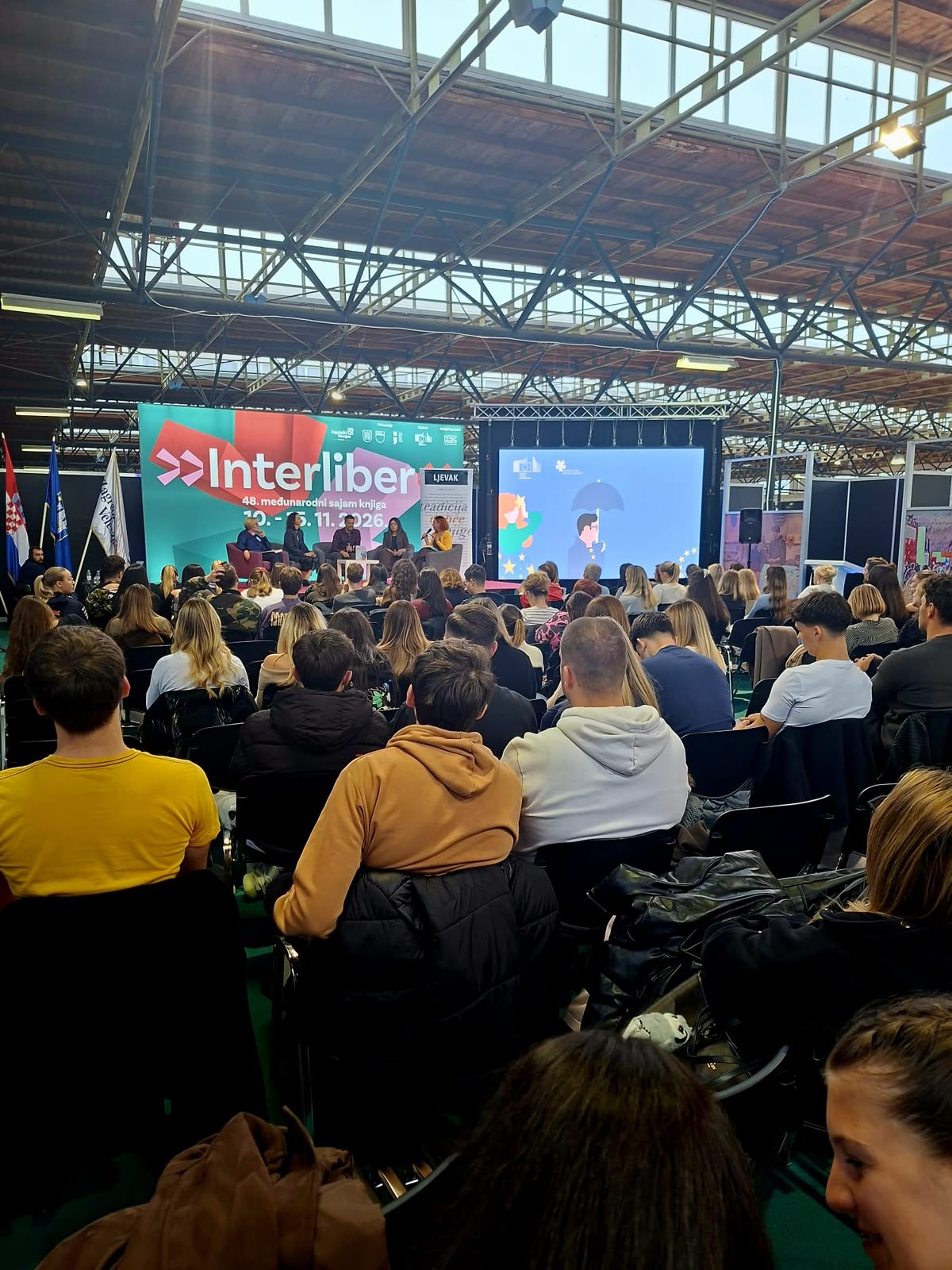
As part of this year's Interliber Book Fair, Leali Osmančević, PhD, from the University Department of Communication Studies at the Catholic University of Croatia, participated in a roundtable discussion entitled “Media Literacy as Literacy for the Future and Digital Society”, held on November 11, 2026, at the Zagreb Fair, organised by Naklada Ljevak publishing house.
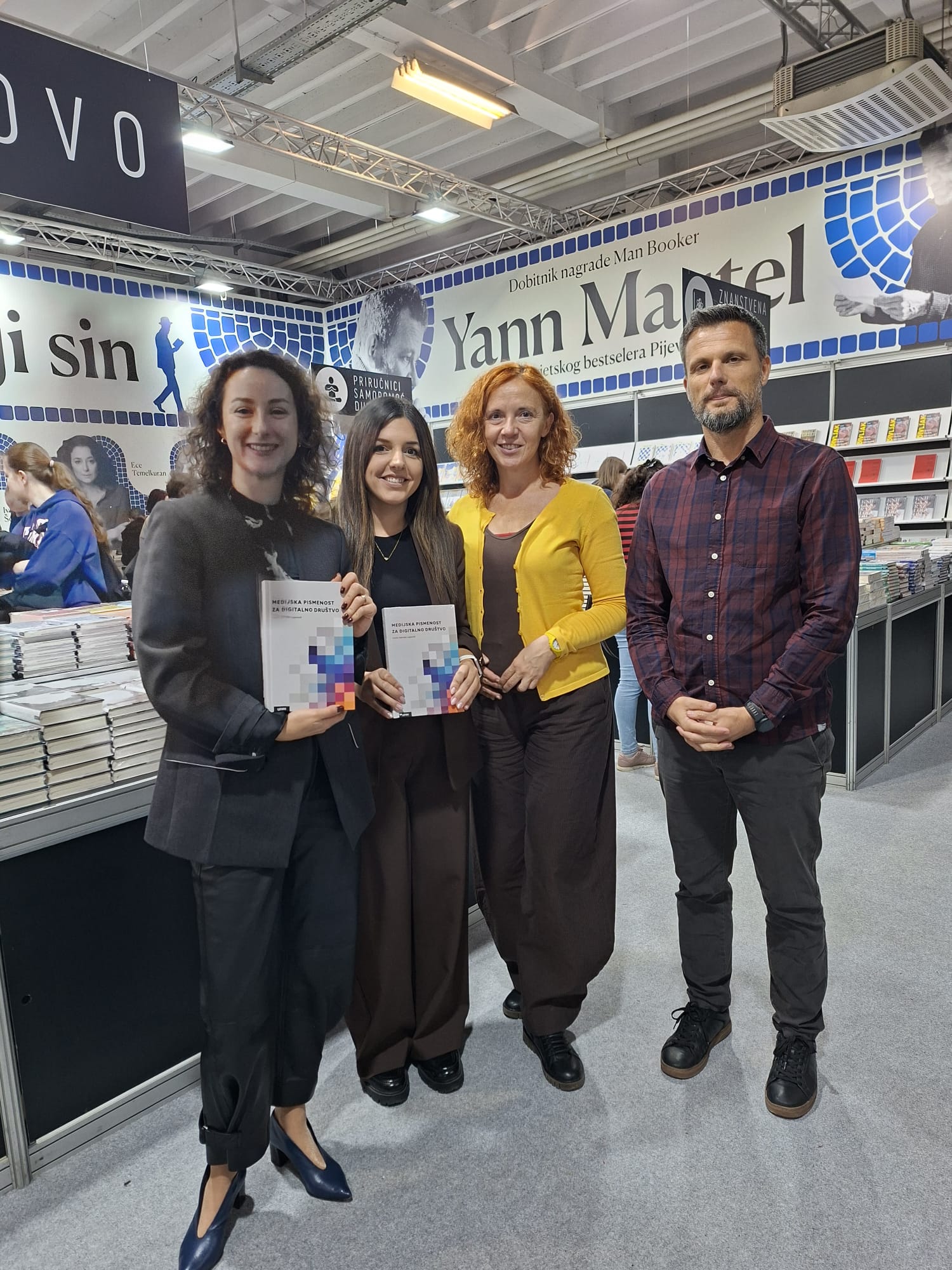
Alongside Leali Osmančević, PhD, the discussion featured Assistant Professor Nebojša Lujanović, PhD, Assistant Professor Tamara Kunić, PhD, and Nives Tomašević, PhD, while the roundtable was moderated by Professor Viktorija Car, PhD. Dr Osmančević is also one of the co-authors, together with Associate Professor Lucija Mihaljević, PhD, of a chapter in the book “Media Literacy for a Digital Society”, which was presented at the event.
The roundtable attracted numerous visitors interested in media and digital literacy, including third-year undergraduate students of Communication Studies, who attended the event as part of a field trip for their Media Education course.
During the discussion, participants reflected on the development of media literacy in Croatia over the past two decades. They highlighted how the first systematic programmes and initiatives primarily focused on children and young people, particularly on protecting them from harmful and inappropriate media content. Over time, media literacy has become increasingly integrated into the education system, scientific research and public policy, with its focus expanding to include citizens of all generations.
The participants emphasised that media literacy is now considered one of the essential literacies of modern society and an important prerequisite for active and informed citizenship. Particular attention was devoted to the impact of algorithms and artificial intelligence on access to information, decision-making and users' everyday media experiences.
A significant shift in the understanding of media literacy was also highlighted. While a decade or more ago the primary focus was on learning how to understand media and their messages, today it is equally important to understand our own role within digital platforms, information flows and algorithm-driven environments. Media literacy therefore involves not only critically evaluating media content but also understanding how media, platforms and technologies shape our habits, attitudes and participation in society.
The discussion concluded that media literacy is no longer an issue associated with particular age groups but a lifelong competency and an increasingly important prerequisite for responsible participation in digital society.