Share
Final Virtual Component of the International Erasmus+ BIP Program "HELP" Held
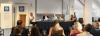
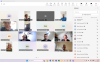
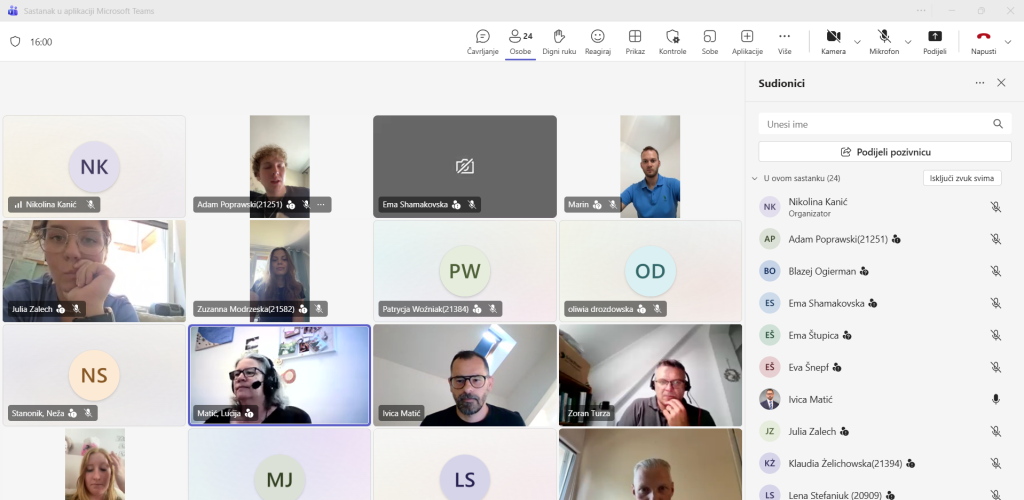
Following an intensive week of field classes in Šibenik, the second and final virtual component of the international Blended Intensive Program (BIP) "Healthcare Excellence in Lifesaving Practice – HELP" was held on Tuesday, July 14, 2026.
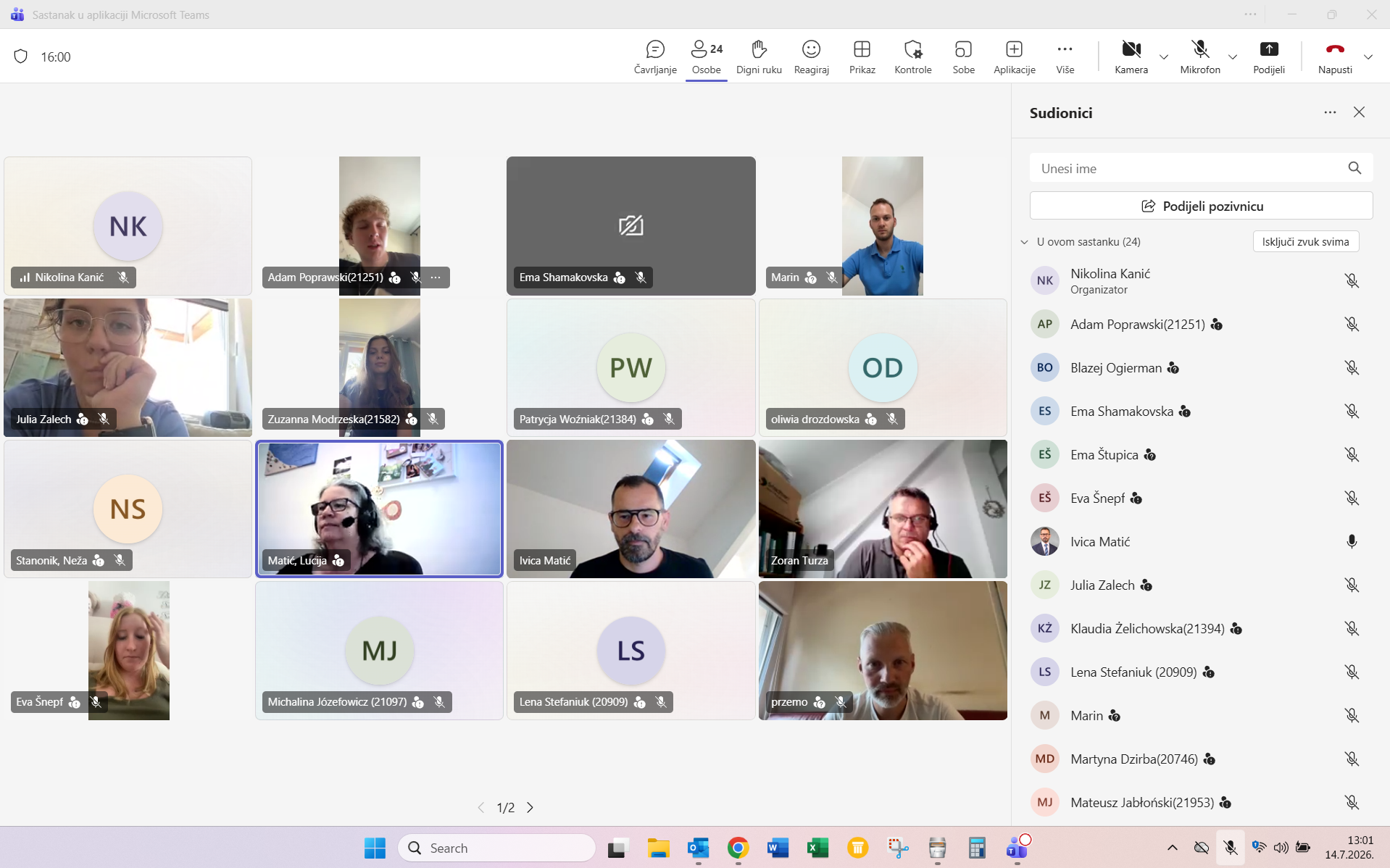
This hybrid program successfully brought together students and international lecturers from three partner institutions: the Faculty of Health Studies of the Catholic University of Croatia as the host and project coordinator, the Academy of Medical and Applied Social Sciences from Elbląg (Poland), and the Faculty of Health Sciences of the University of Ljubljana (Slovenia). While the first virtual session was dedicated to the public health context and a comparison of emergency medical systems in Croatia, Poland, and Slovenia, this final online component emphasized a deeper, humanistic, and professional dimension of healthcare.
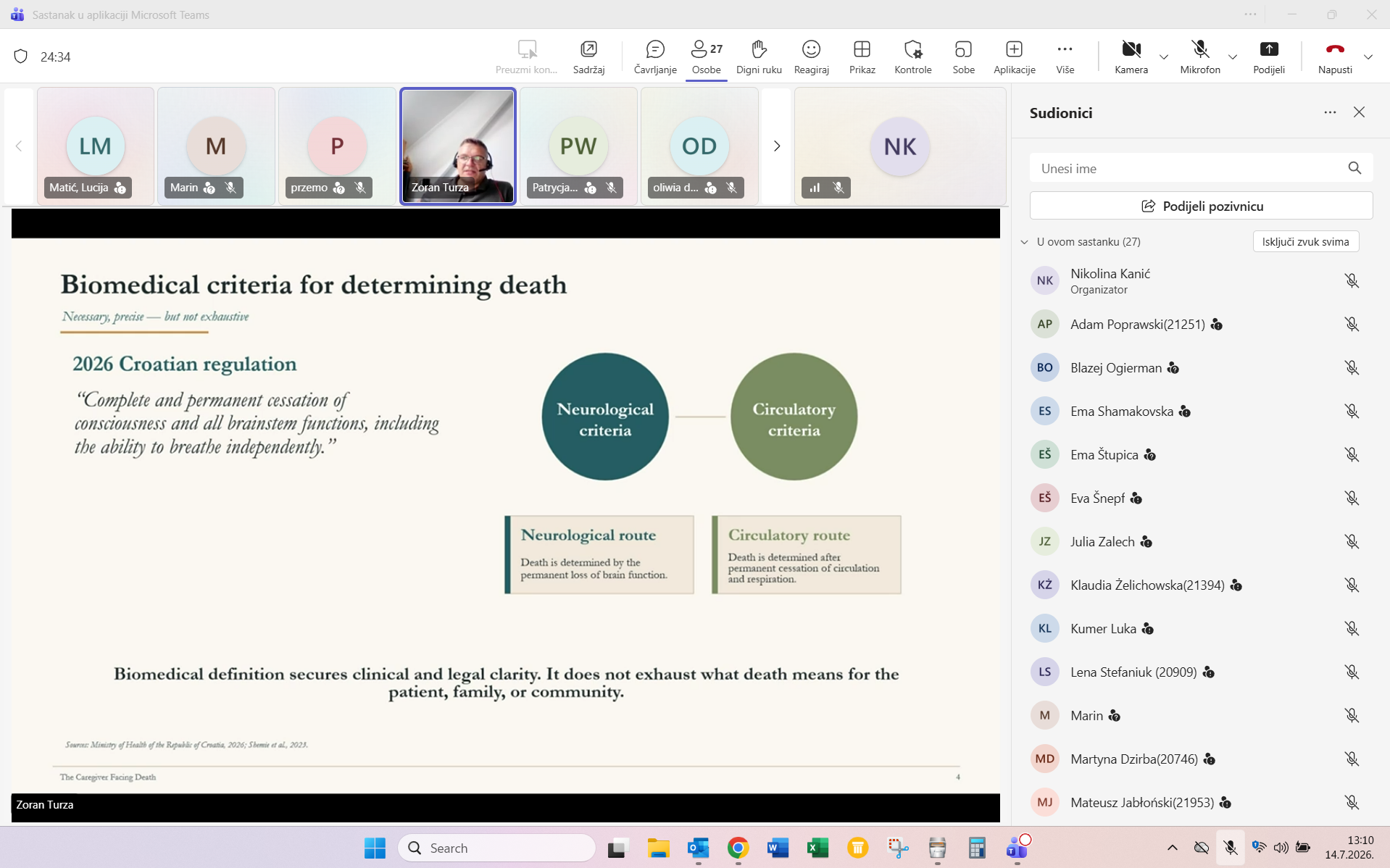
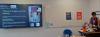
The central part of the program included a lecture and guided discussion by Professor Zoran Turza on the theological, cultural, and ethical perspectives that healthcare professionals face when caring for end-of-life patients and dealing with death. In the final part of the session, a detailed evaluation of the entire program was conducted. Through an anonymous satisfaction survey, the students highly rated the overall organization of the summer school—from the quality of the online preparation and top-tier practical exercises on advanced simulators and medical equipment, to the field visits to the Šibenik General Hospital and the Institute for Emergency Medicine of Šibenik-Knin County.
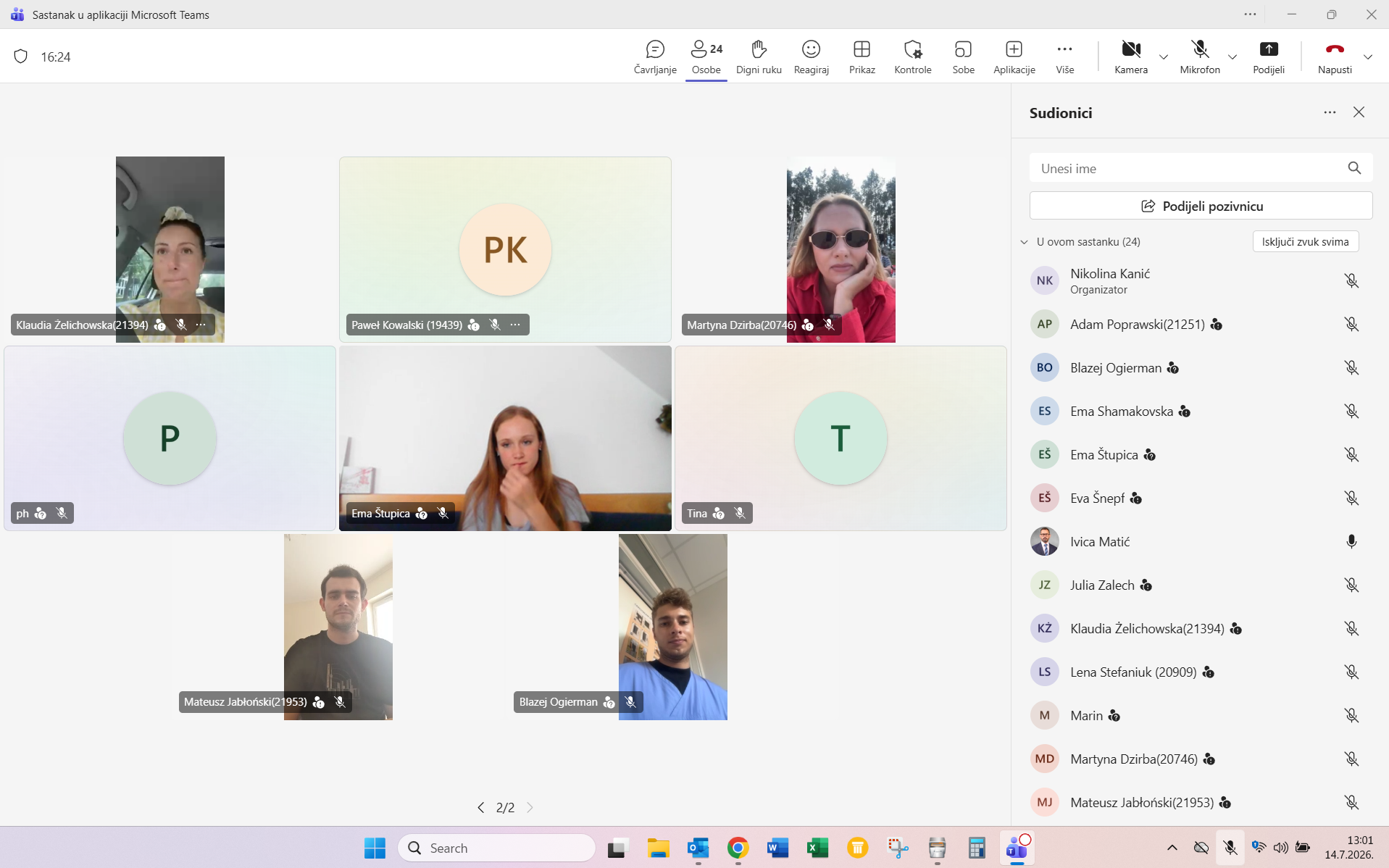
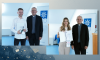
The head of the BIP and Dean, Assistant Professor Ivica Matić, PhD, thanked all students for their exceptional engagement, as well as the foreign and domestic lecturers for their professional contribution and excellent international cooperation. This fully concluded the intensive hybrid curriculum, through which international students, in addition to acquiring exceptional practical clinical skills, also earned the required 3 ECTS credits.
In addition to the acquired knowledge and newly forged international friendships, this project leaves a lasting tangible value to the Faculty in the form of new, advanced medical-educational equipment that will be used in regular classes and the education of future generations of students.