Share
Lectures by Professors Sabotič and Anić Accompanying the Exhibition “A Sip of the Past – Old Zagreb Cafés, Taverns and Inns”
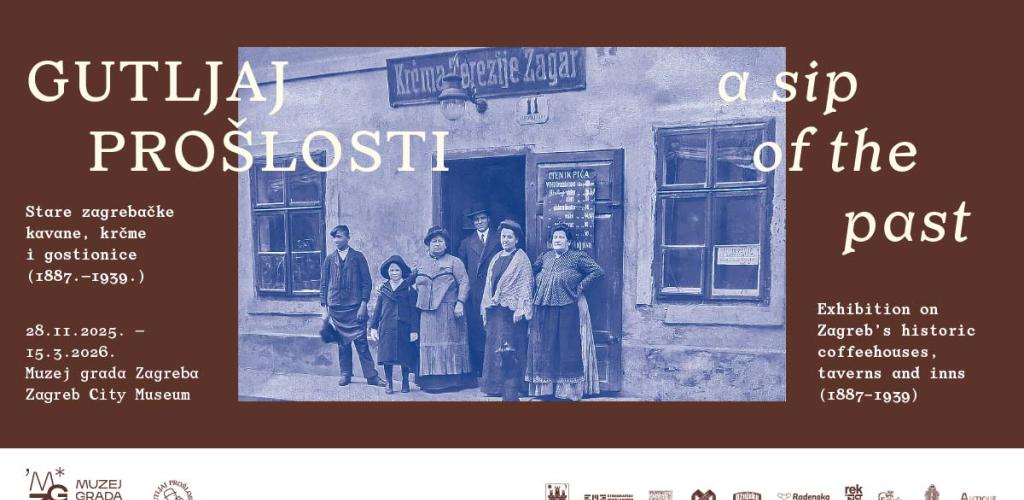
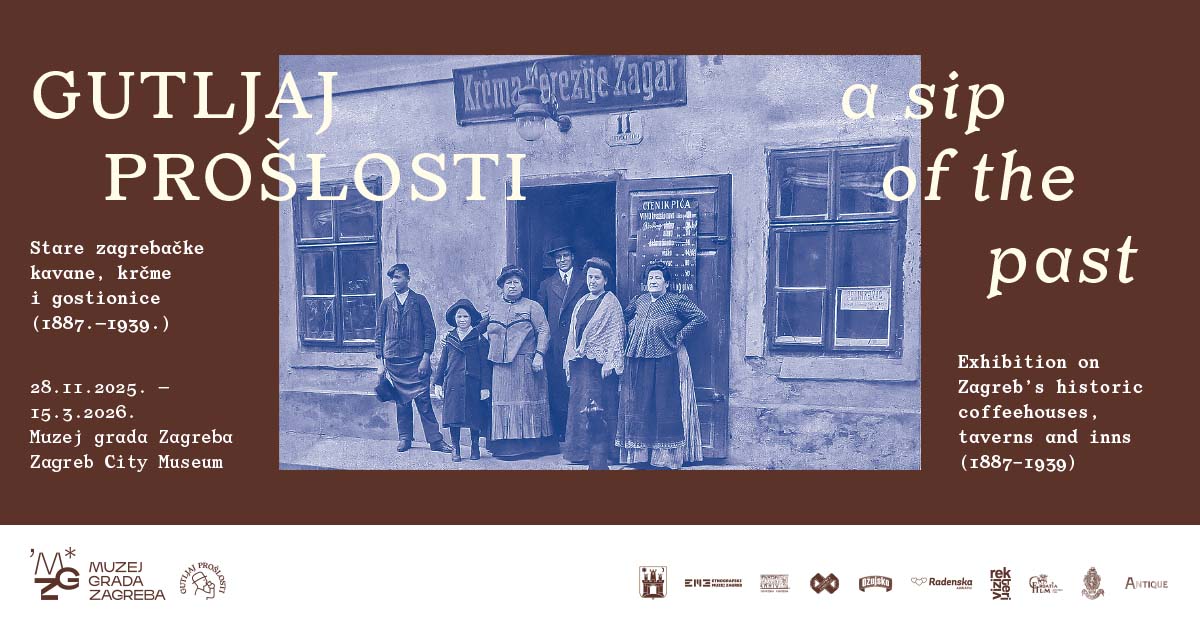
In connection with the current exhibition A Sip of the Past – Old Zagreb Cafés, Taverns and Inns (1887–1939), the Zagreb City Museum is organizing two lectures to be delivered by Associate Professor Ines Sabotič, PhD, and Professor Tomislav Anić, PhD, from the University Department of History of the Catholic University of Croatia (CUC). The lectures will take place inside the exhibition space on Wednesday, 10 December 2025, at 1:00 p.m.
Ines Sabotič
Zagreb Cafés: Spaces of Surveillance and Spaces of Freedom (Turn of the 19th to the 20th Century)
At the turn of the 19th to the 20th century, Zagreb cafés were ambivalent spaces—simultaneously places of surveillance and of freedom. The authorities sought to regulate hospitality establishments, with cafés receiving particular attention. Regulations governed almost every aspect, from the appearance of the premises to staff profiles and permitted activities, with the specifics of such control becoming especially evident when compared with other regulations of the time. In contrast, artists and writers transformed cafés into hubs of creativity, encounters, and intellectual freedom, which over time became informal sites of memory within the urban cultural landscape.
Tomislav Anić
From Café to Inn: Social Life in Zagreb between Bourgeois Representation and Everyday Popular Culture (1901–1939)
This lecture explores the venues that shaped everyday urban life in the first half of the 20th century. At the time, the café symbolized bourgeois culture—a place of refined conversation, newspaper reading, and social visibility. Inns, on the other hand, especially in the city’s peripheral districts, preserved the spirit of popular spontaneity and communal conviviality. Through analysis of newspaper articles and visual sources, the lecture will show how these two worlds, although differing in manners and clientele, shared a common social function: serving as spaces in which the social dynamics of the city were reflected and enacted.