Share
Summer School of the Economy of Francesco on Leadership that Restores the Soul of the Economy Held
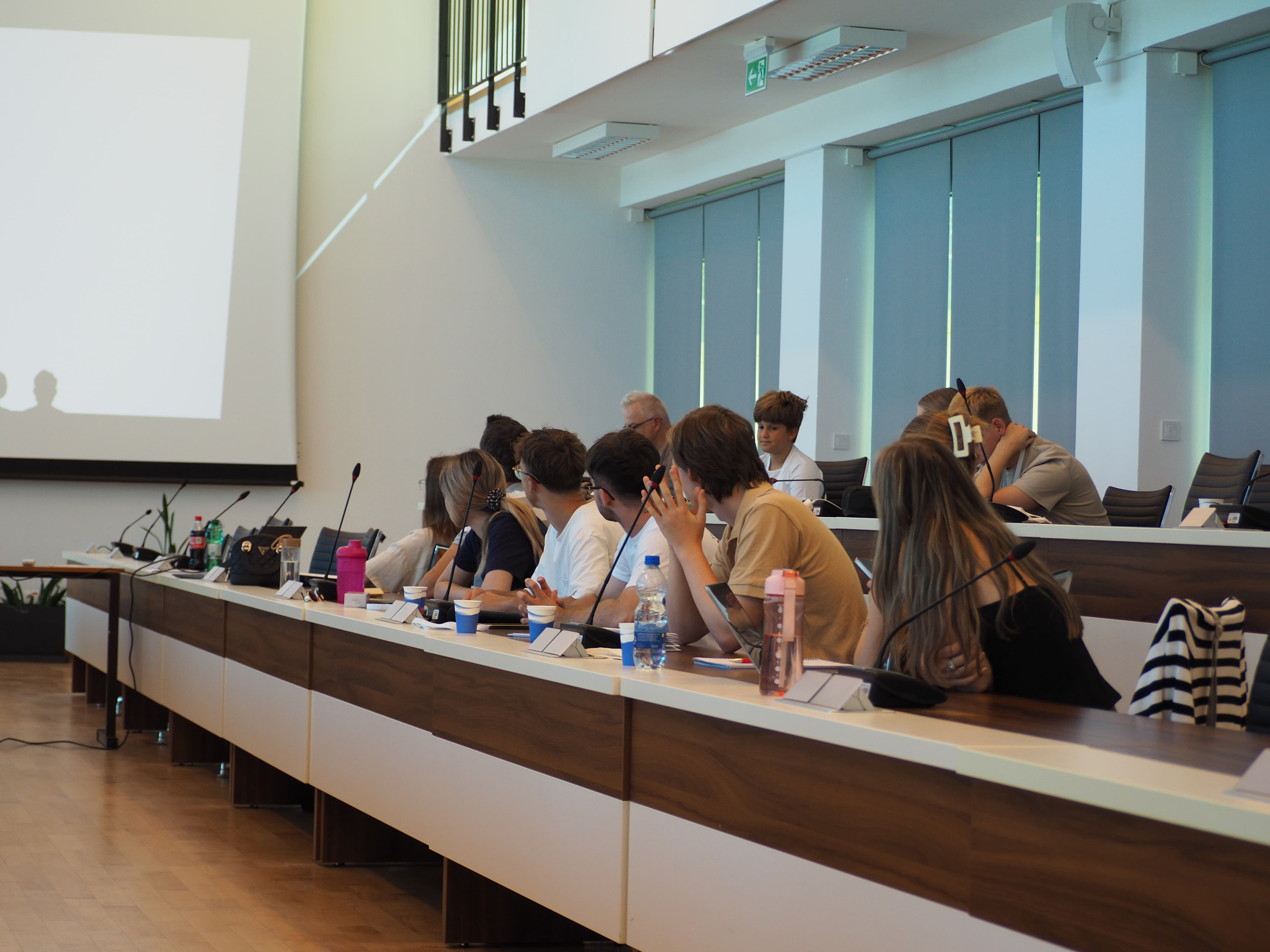
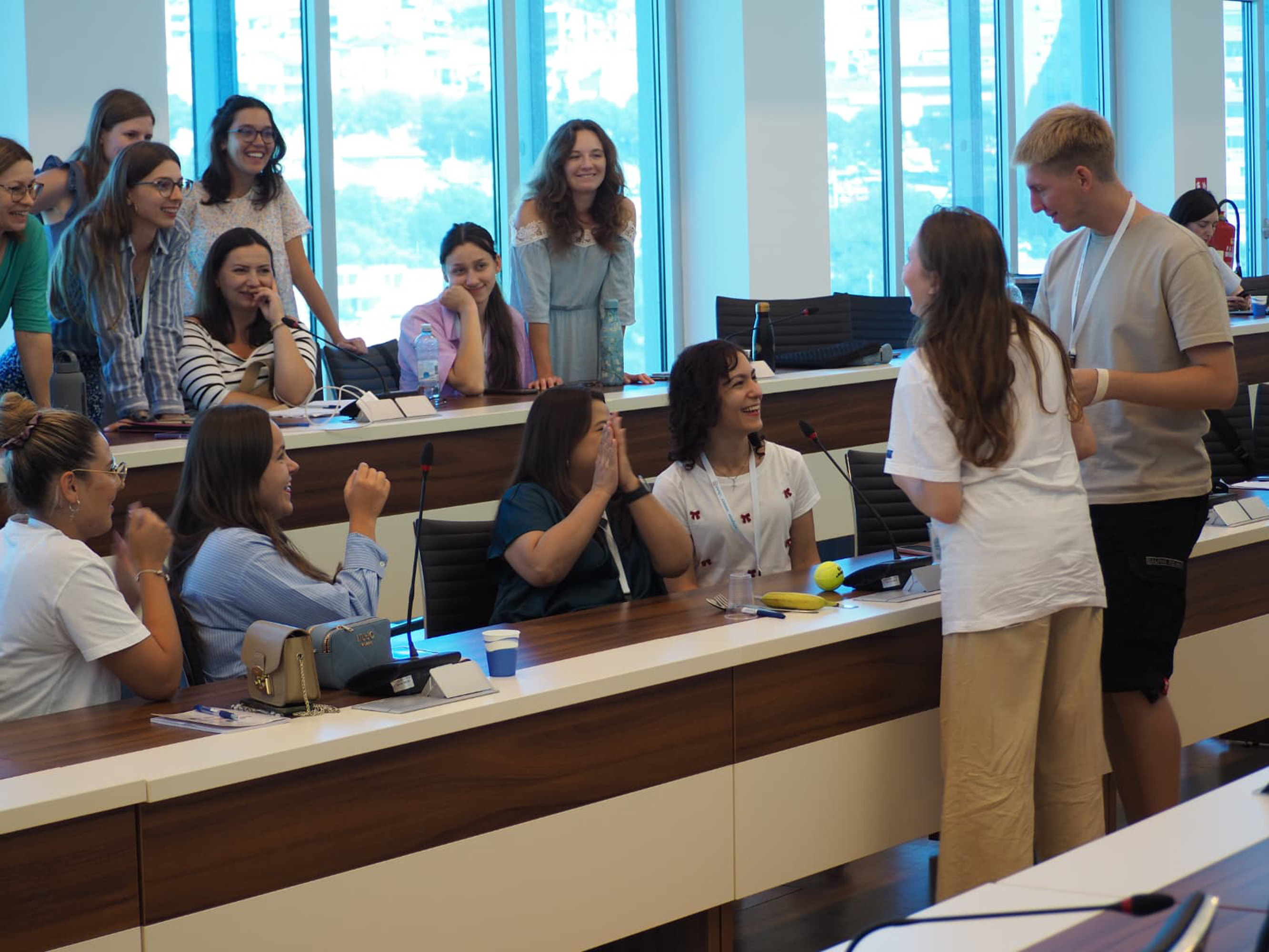
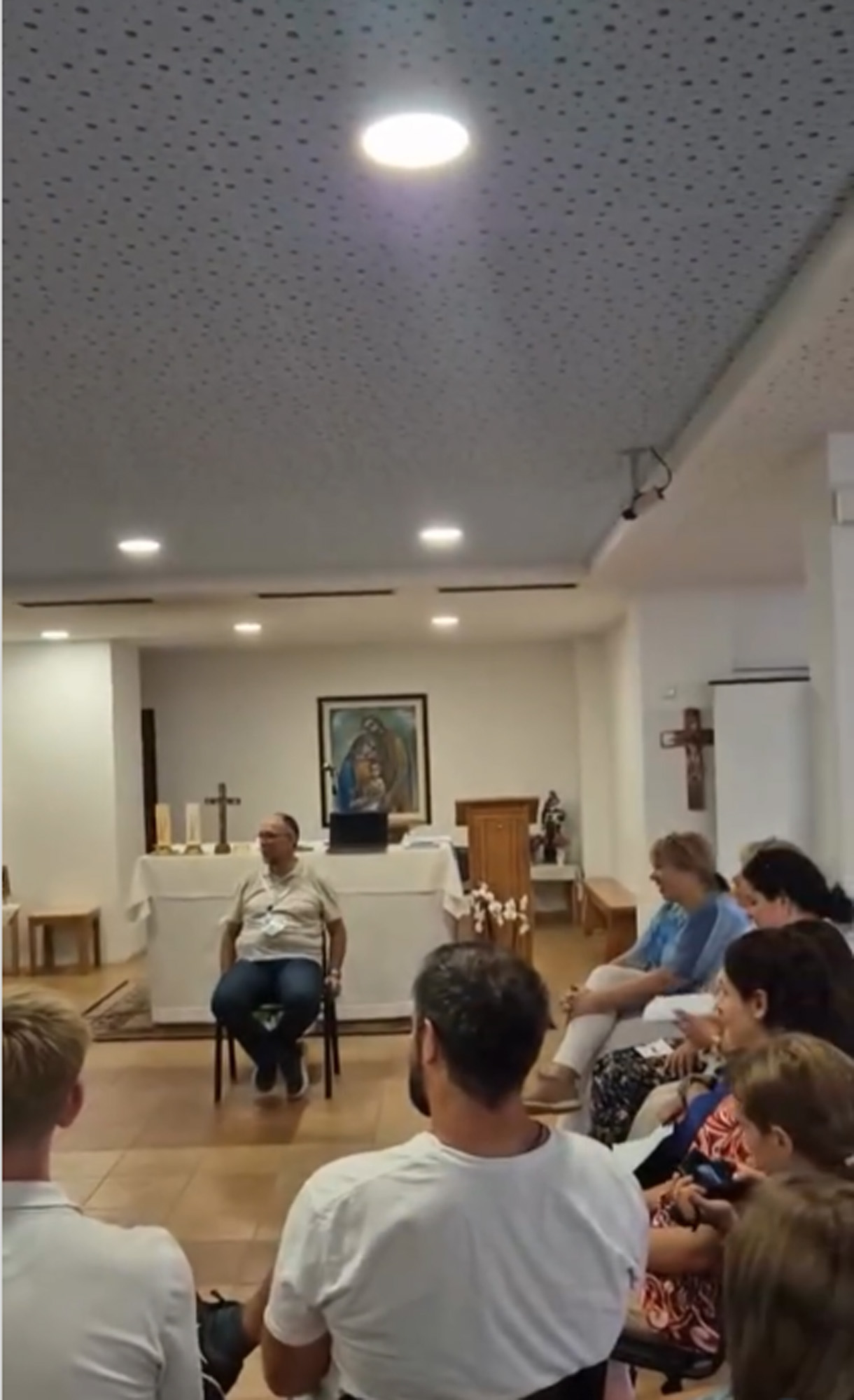
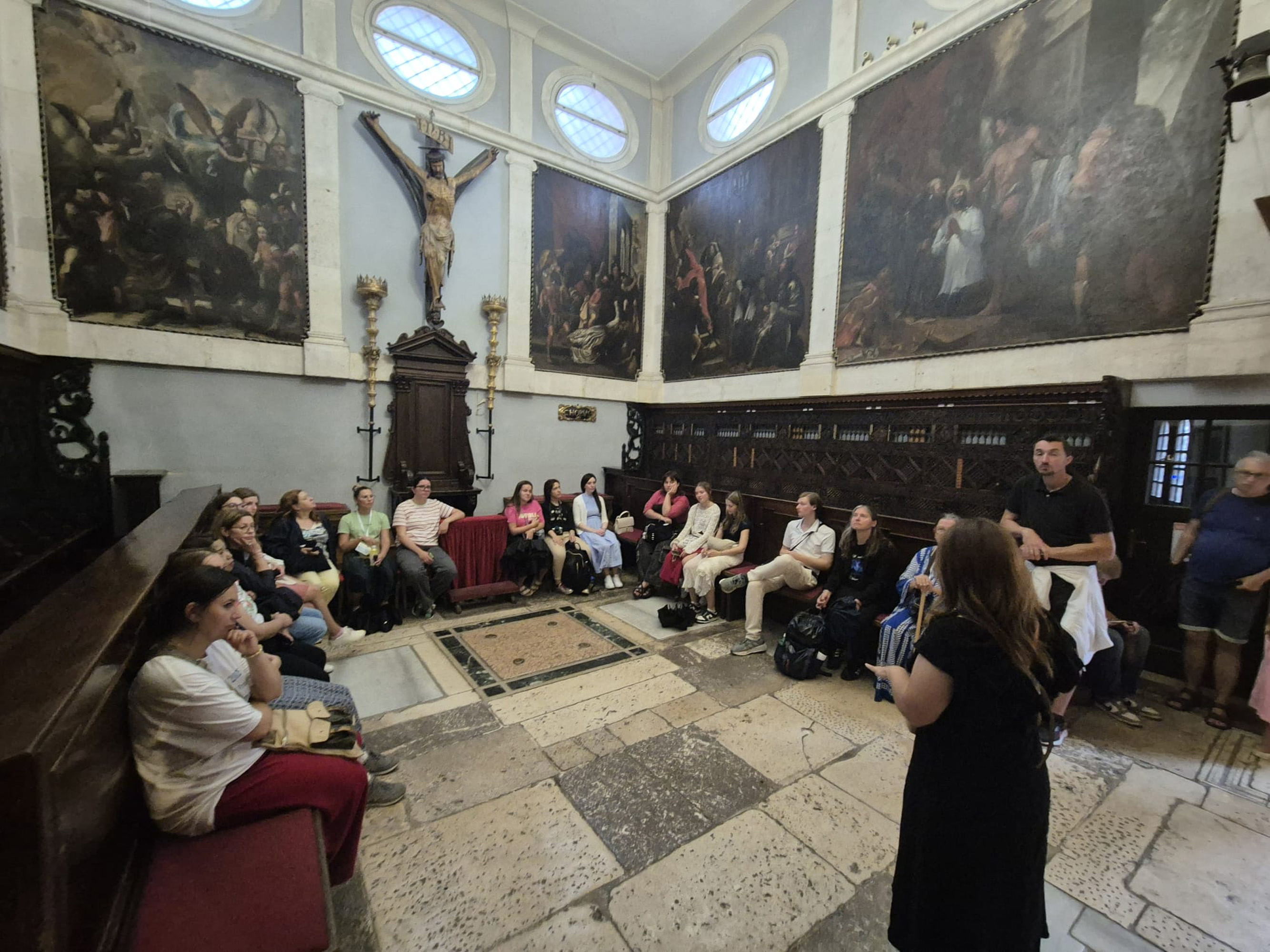
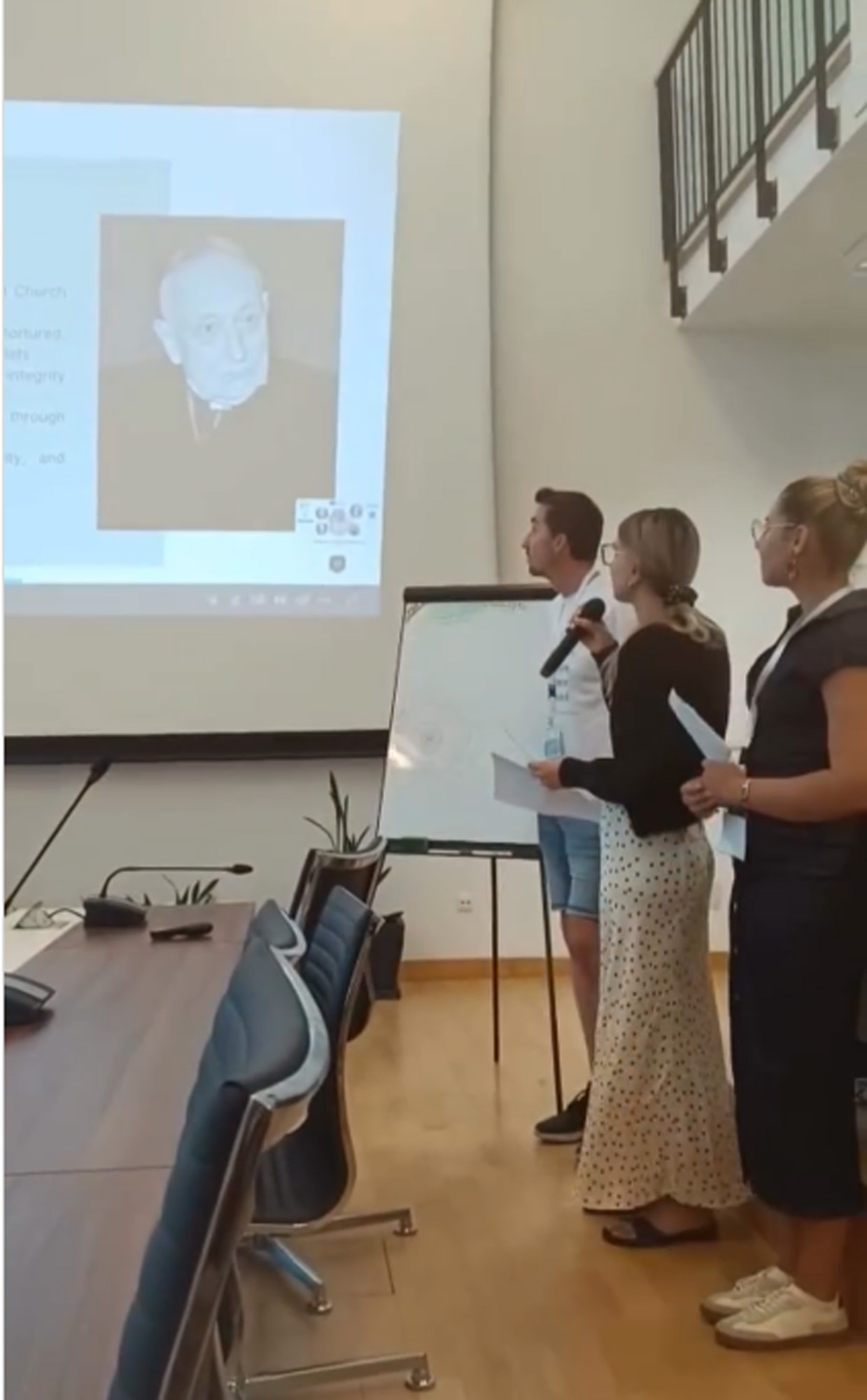
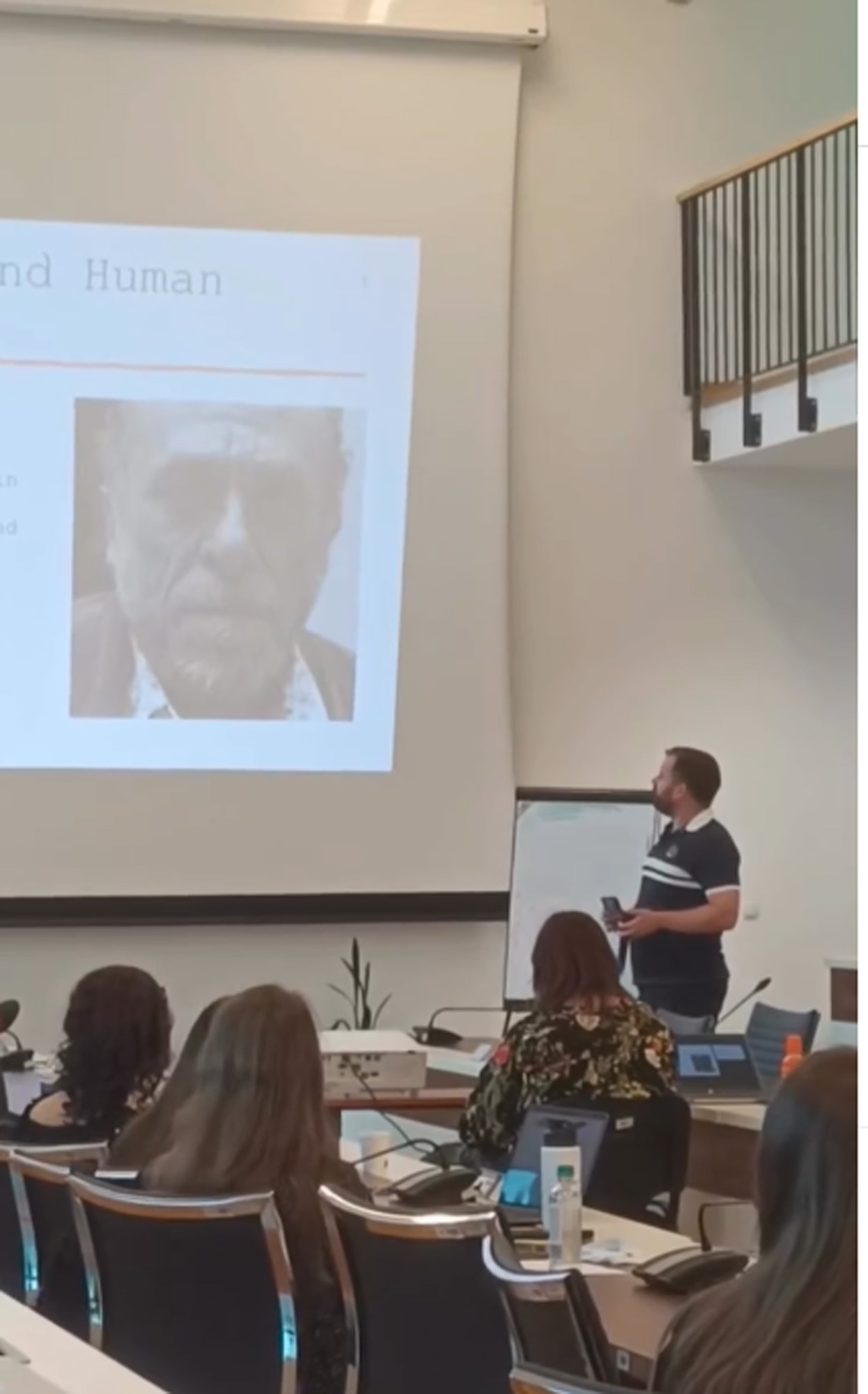
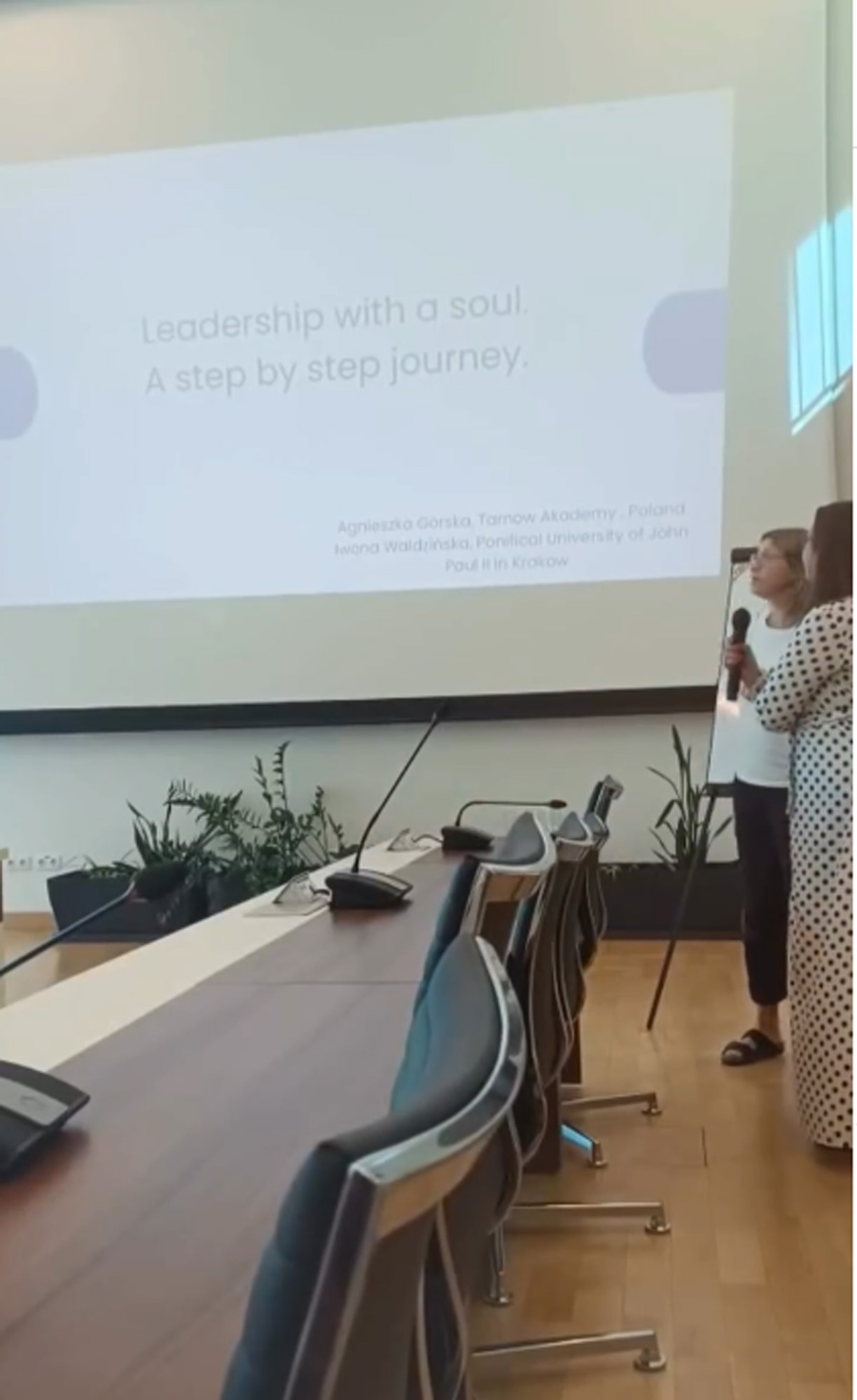
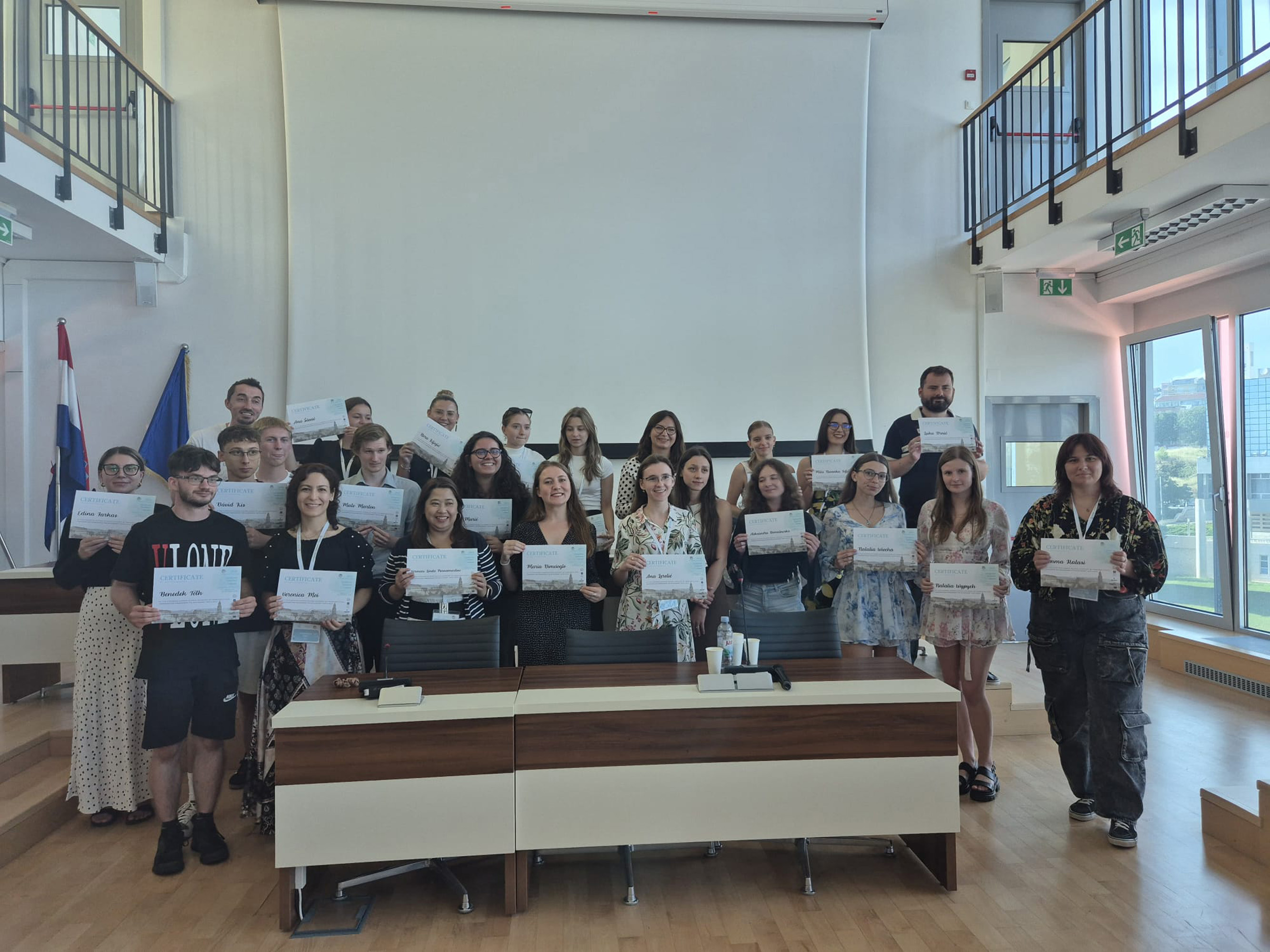
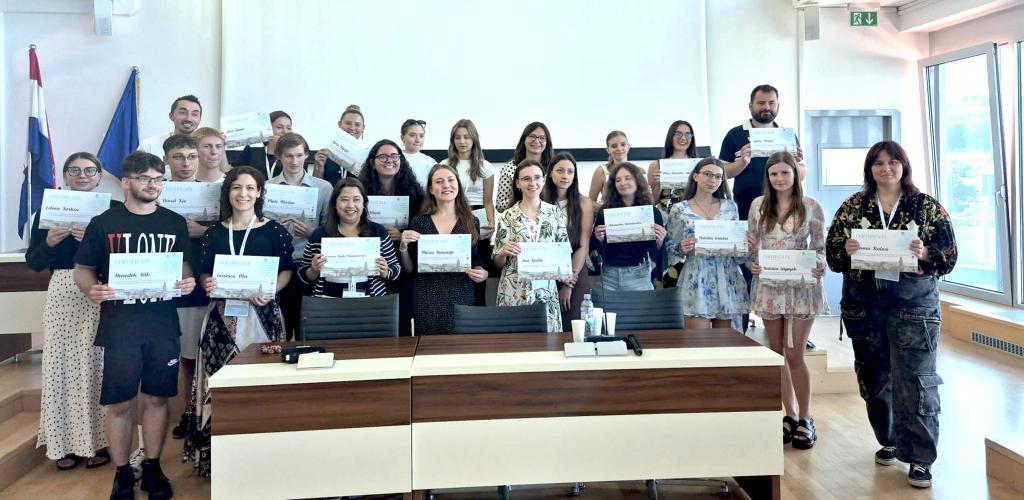
The third Summer School of the Economy of Francesco successfully concluded on 31 August 2025, after nearly two weeks of work in two phases: an online program from 18 to 20 August and an in-person program at the University of Split Campus from 24 to 31 August.
The Summer School is part of the European Union’s Erasmus+ initiative and was conducted as a Blended Intensive Programme (BIP), combining online and physical mobility. It brought together around thirty students of social sciences and humanities from Croatia, Hungary, Poland, Bulgaria, Italy, and Indonesia, along with twenty lecturers from Europe, the United States, and Asia.
The organizers were The Economy of Francesco Croatia in partnership with the Catholic University of Croatia (University Chair of Theology in cooperation with the Department of Communication), Docat Center Split, The Economy of Francesco from Assisi, and the Pontifical University of St. Thomas Aquinas (Angelicum) in Rome.
The Summer School – Part of the Global Economy of Francesco Movement
The Summer School is held within the framework of the global Economy of Francesco movement, launched by Pope Francis in 2019 when he invited young economists, entrepreneurs, and changemakers under 35 to join the initiative in rethinking the current economic system in light of growing global crises. By 2025, participants from over 100 countries, including Croatia, had joined the Economy of Francesco.
This year’s Summer School theme, “Leadership and Management for an Economy with a Soul,” stems from one of the twelve thematic areas of the Economy of Francesco within the socio-ethical approach to the contemporary economy. The approach is rooted in Catholic Social Teaching, the life and spirituality of St. Francis of Assisi, and the economy of communion.
Program of the Summer School
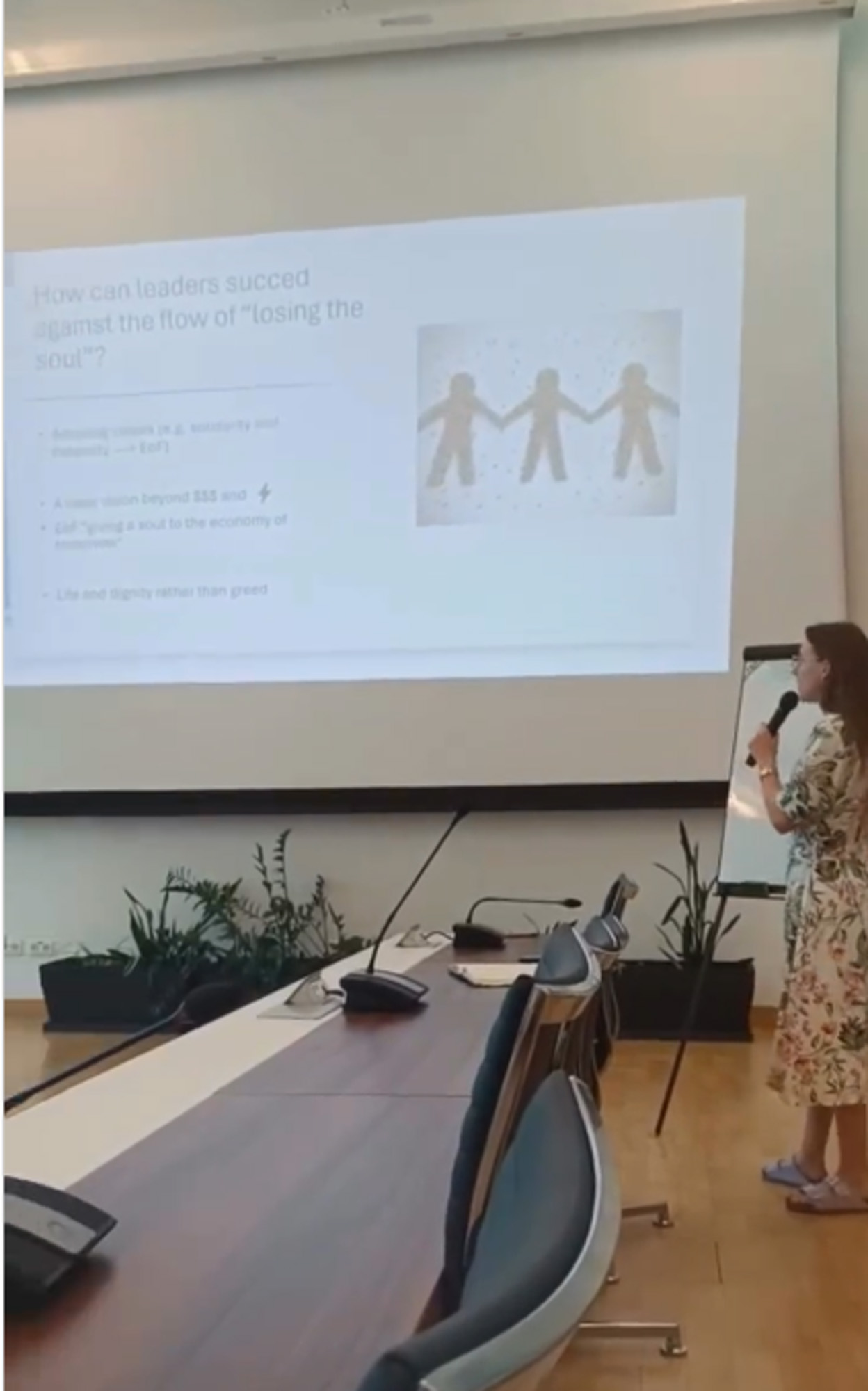
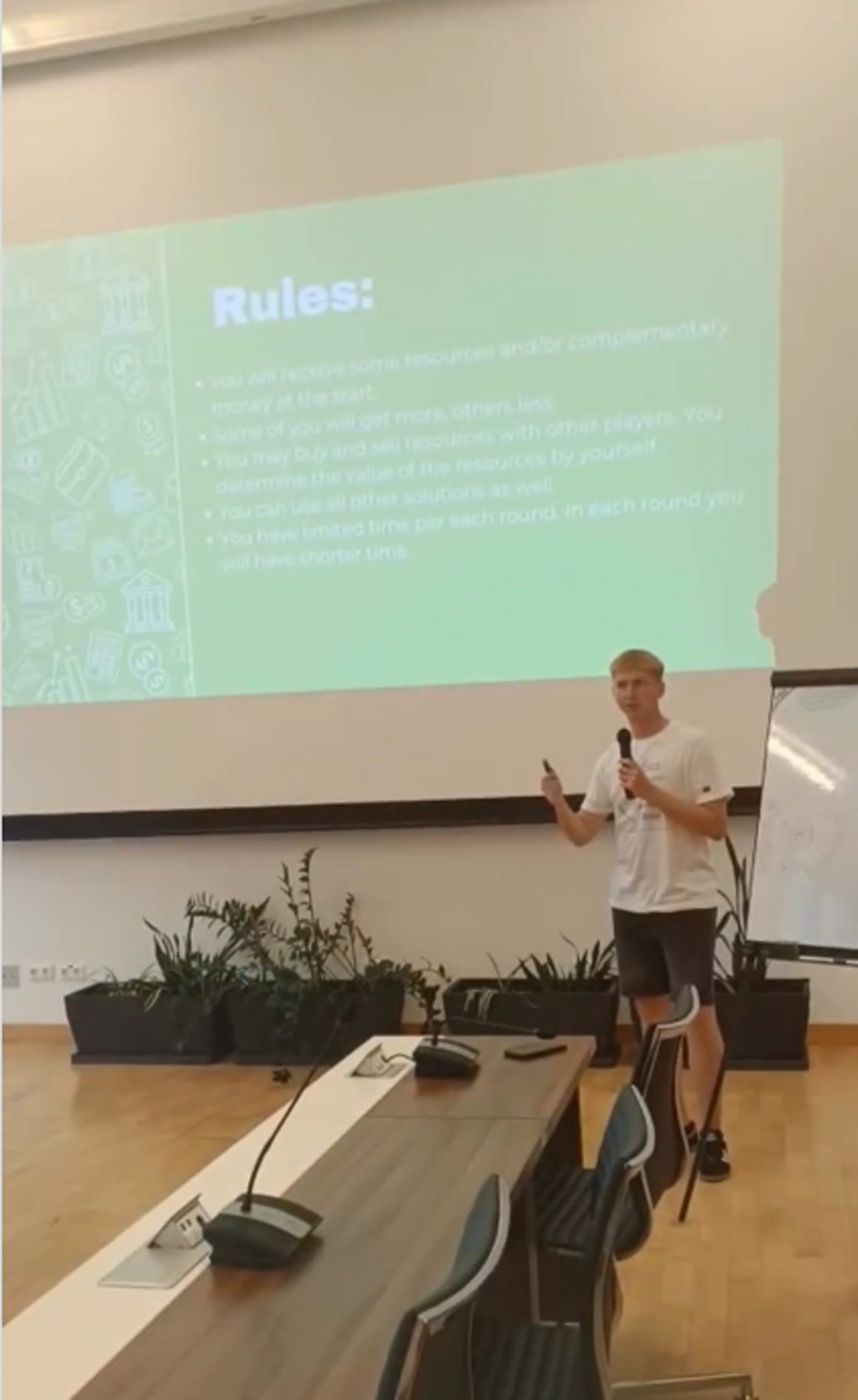
Over ten working days, interactive lectures, workshops, and panel discussions were delivered by distinguished professors and experts with international experience from the United Kingdom, Harvard Business School, Tilburg University, Georgetown University (USA), Belgium, Poland, Hungary, Bulgaria, Italy, Croatia, the Netherlands, and Singapore.
In the online component, lectures and panel discussions addressed the following topics: hope and restoring the soul of the economy, the vocation of leaders in today’s business world, St. Thomas Aquinas’ approach to economic activity, leadership through transition, integral development, leadership and the economy of communion, and values-based decision-making.
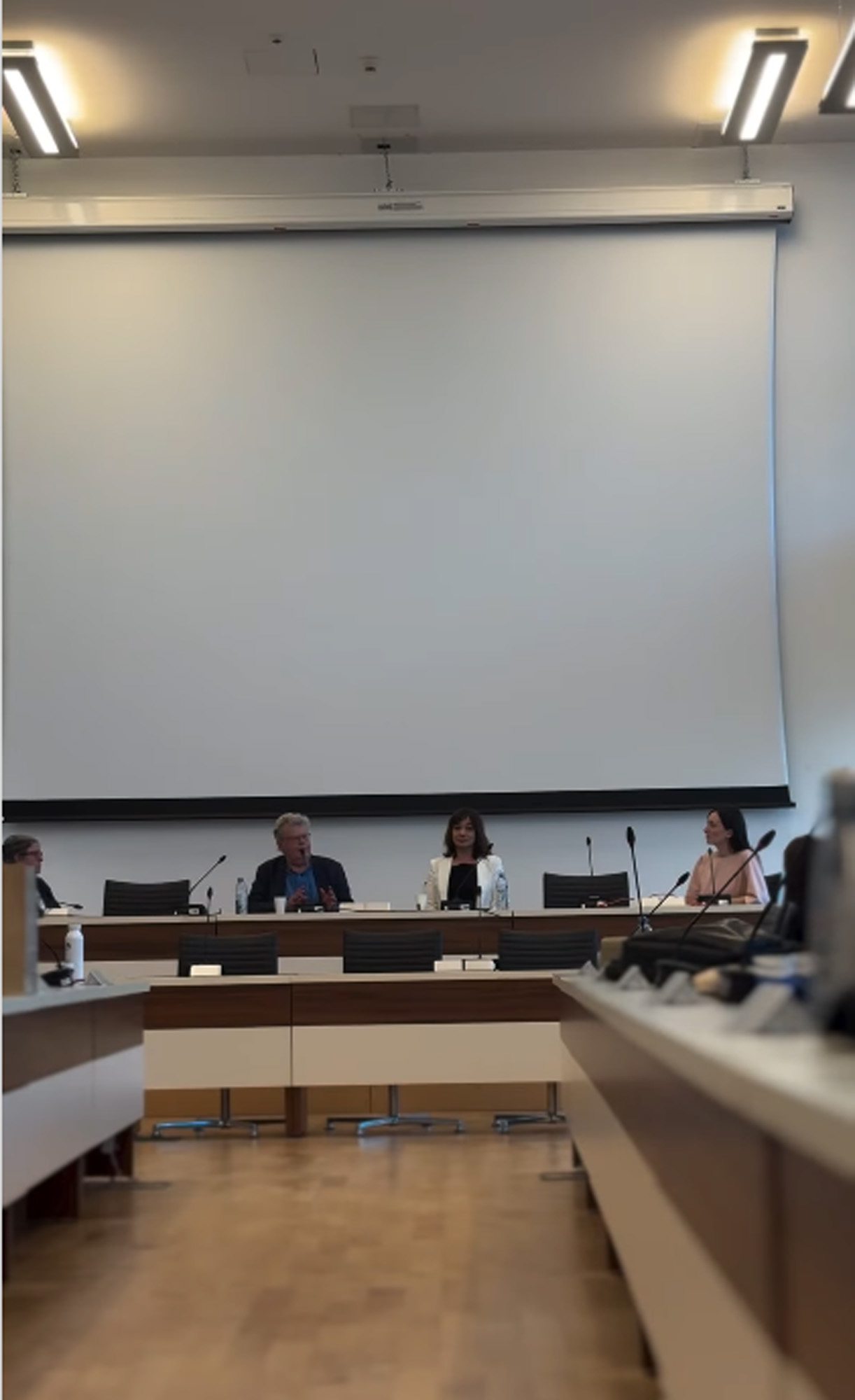
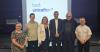
The on-site programme opened on 24 August in Split with a roundtable titled “Leadership in times of crisis. The polyhedron as a vision of an economy with a soul”, featuring world-renowned theologian John Milbank (University of Nottingham), Senka Borovac Zekan (University of Split), and Lucie Evers (social entrepreneur from Belgium). The roundtable was moderated by Marijana Kompes (Catholic University of Croatia), one of the three co-chairs of the programme’s organizing committee. The other two co-chairs, Bruno Petrušić (Docat Center Split) and Sr. Antonia Čobanov (Economy of Francesco Croatia), offered opening greetings alongside Mato Šimundić, President of the Assembly of Split-Dalmatia County. Rector of the Catholic University of Croatia, Prof. Dr. Željko Tanjić, addressed the participants via video message.
During the roundtable, John Milbank emphasized the importance of authentic leadership grounded in wisdom and called for a different kind of elite in that sense. Senka Borovac Zekan, drawing on both theoretical and applied research on leadership, spoke about leadership traits and its deeper purpose. Lucie Evers highlighted that a leader is not someone who “takes” power but someone entrusted with a mandate. Restoring this dynamic of power would also mean renewing a way of doing business oriented more toward fraternity.