Share
Study Day on the Pastoral Care of Human Life and Fertility Held at the Catholic University of Croatia
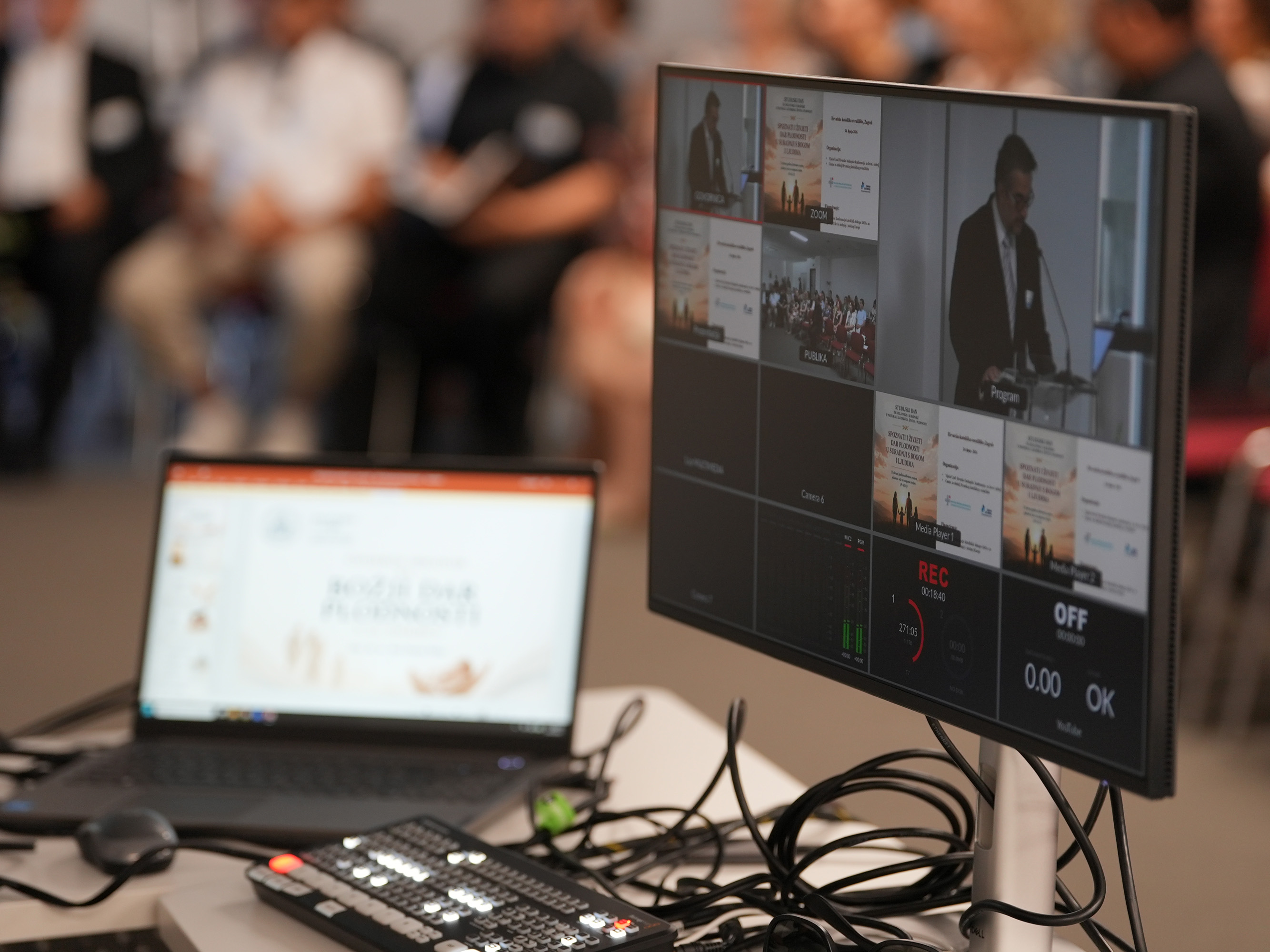
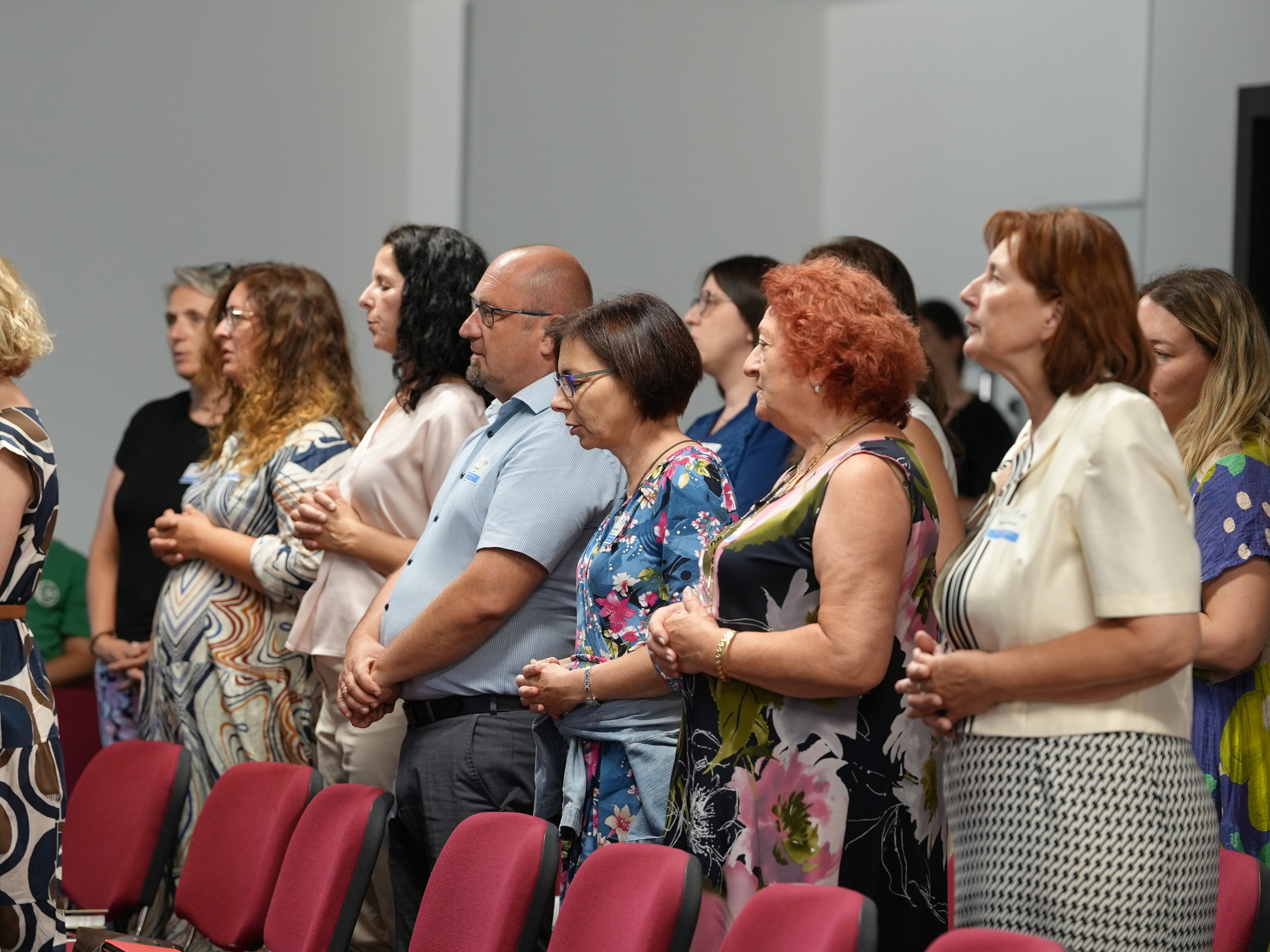
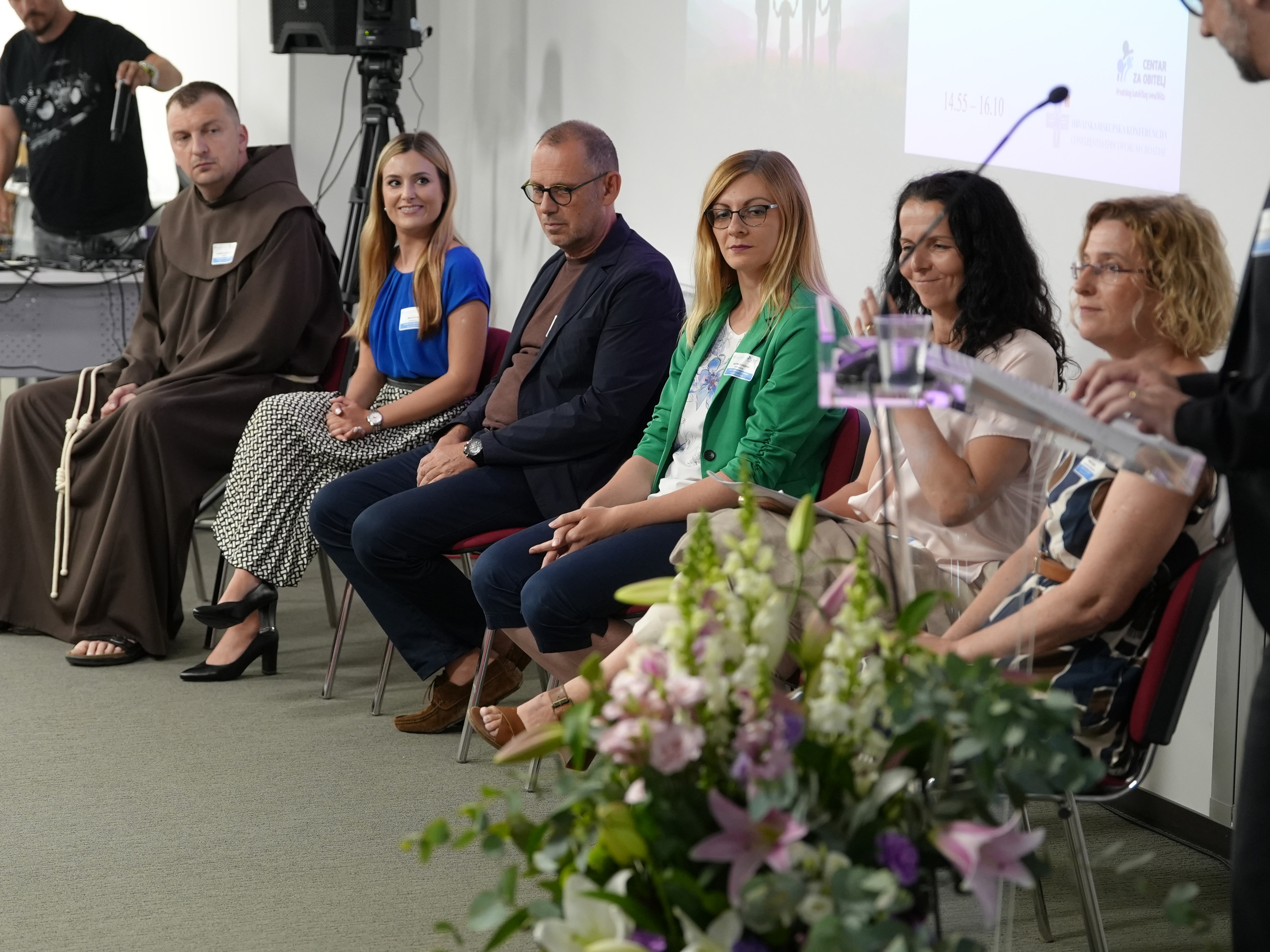
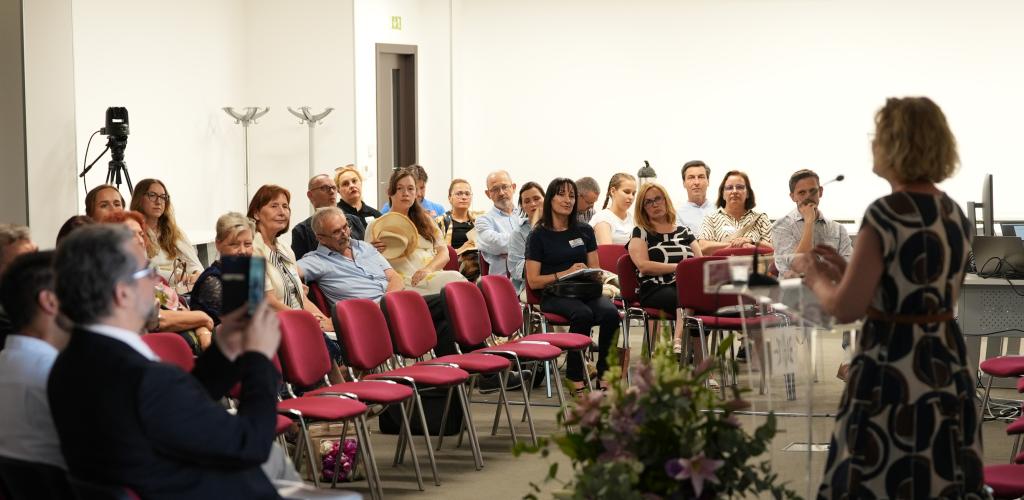
On Friday, June 26, 2026, the Catholic University of Croatia hosted a Study Day for professionals and collaborators engaged in the pastoral care of human life and fertility, entitled “Understanding and Living the Gift of Fertility in Cooperation with God and Others.” The event was organized by the Office for Life and Family of the Croatian Bishops’ Conference in cooperation with the Centre for Family of the Catholic University of Croatia.
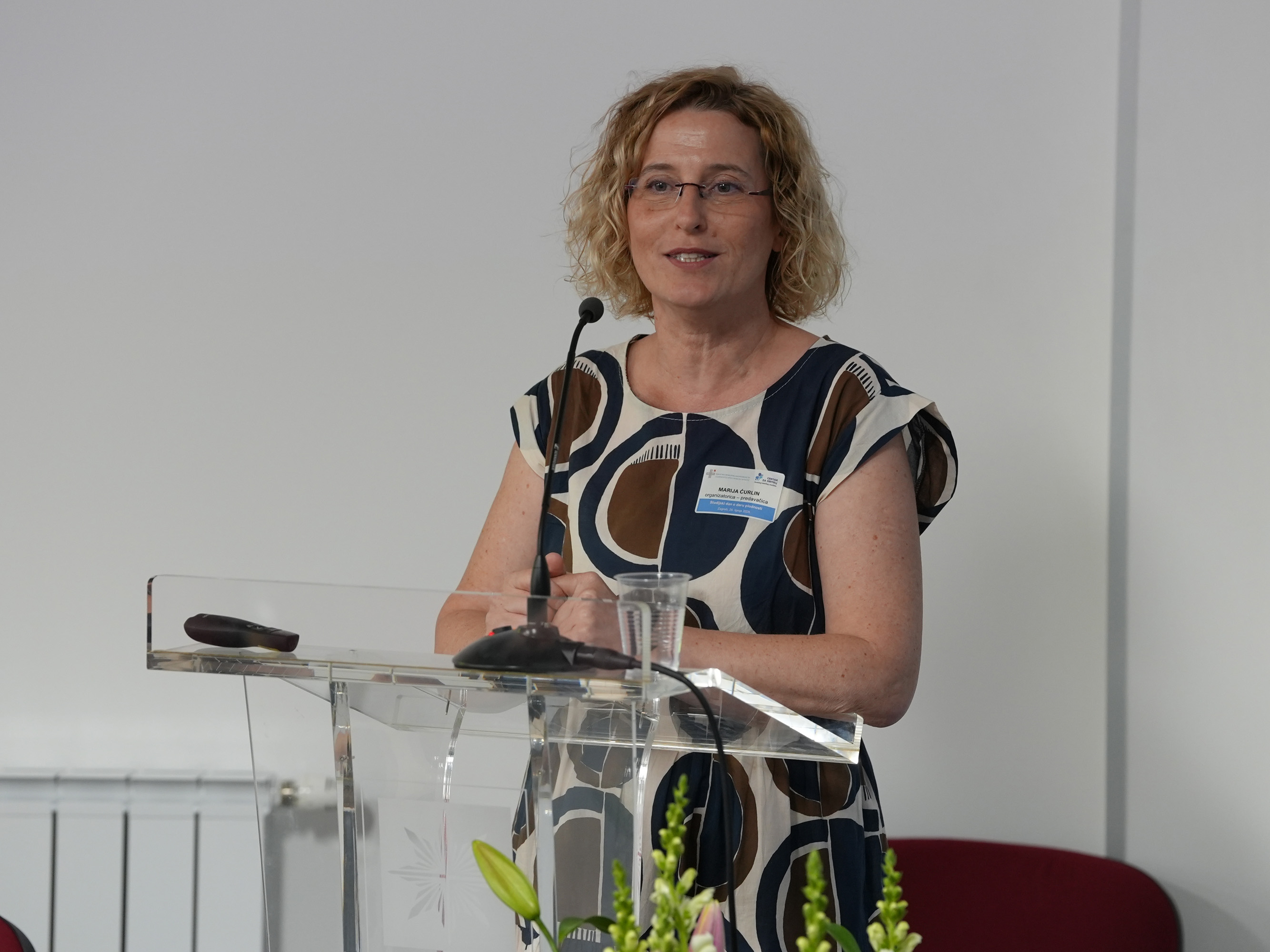
Several members of the University’s academic staff contributed to the programme, including Vice-Rector Professor Roko Mišetić, PhD, Associate Professor Ivana Brstilo Lovrić, PhD, Matea Vidulić, PhD, Dr. Maja Žutić, Primarius Boris Ujević, and the Head of the University’s Centre for Family, Associate Professor Marija Ćurlin, PhD.
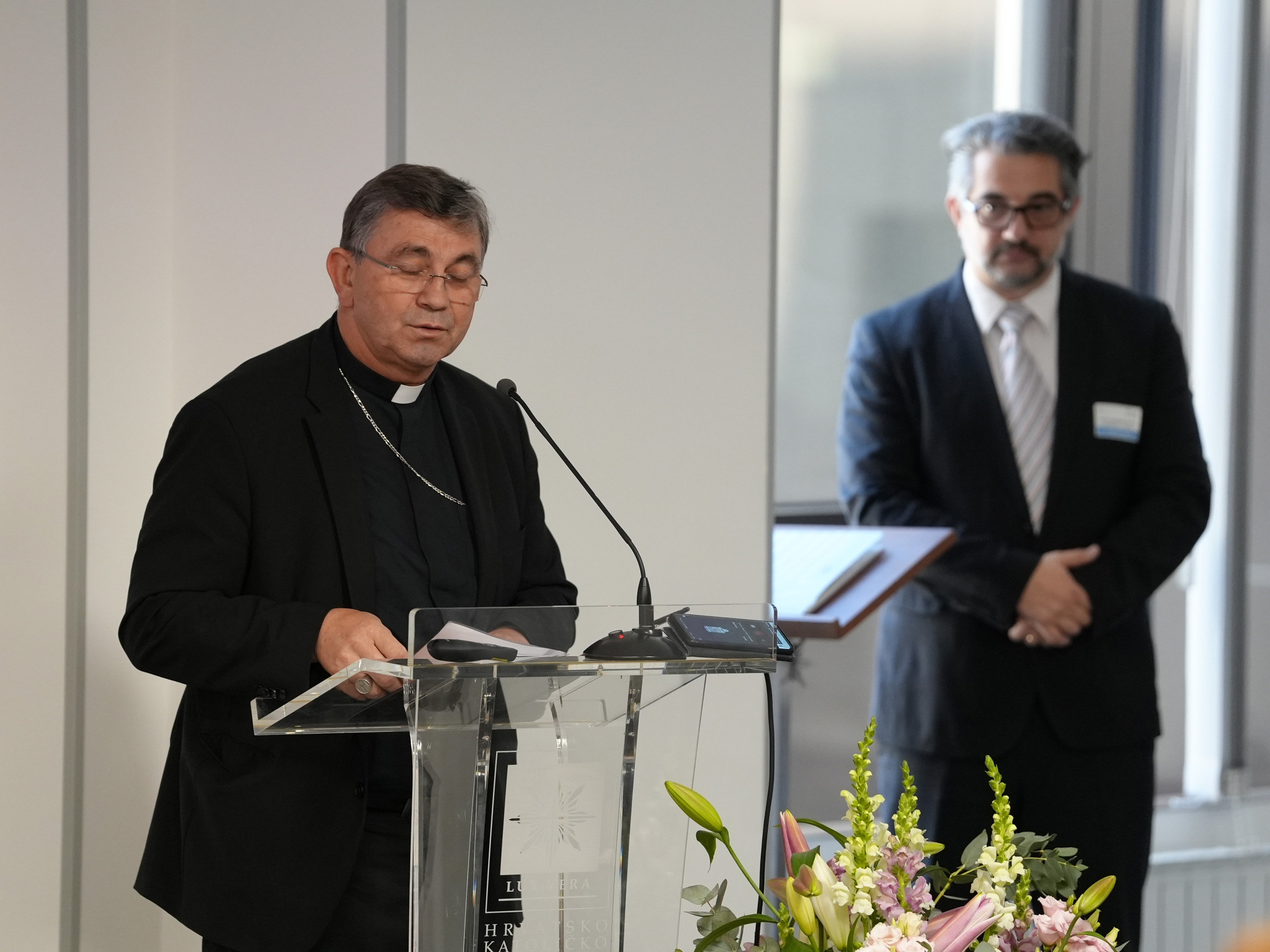
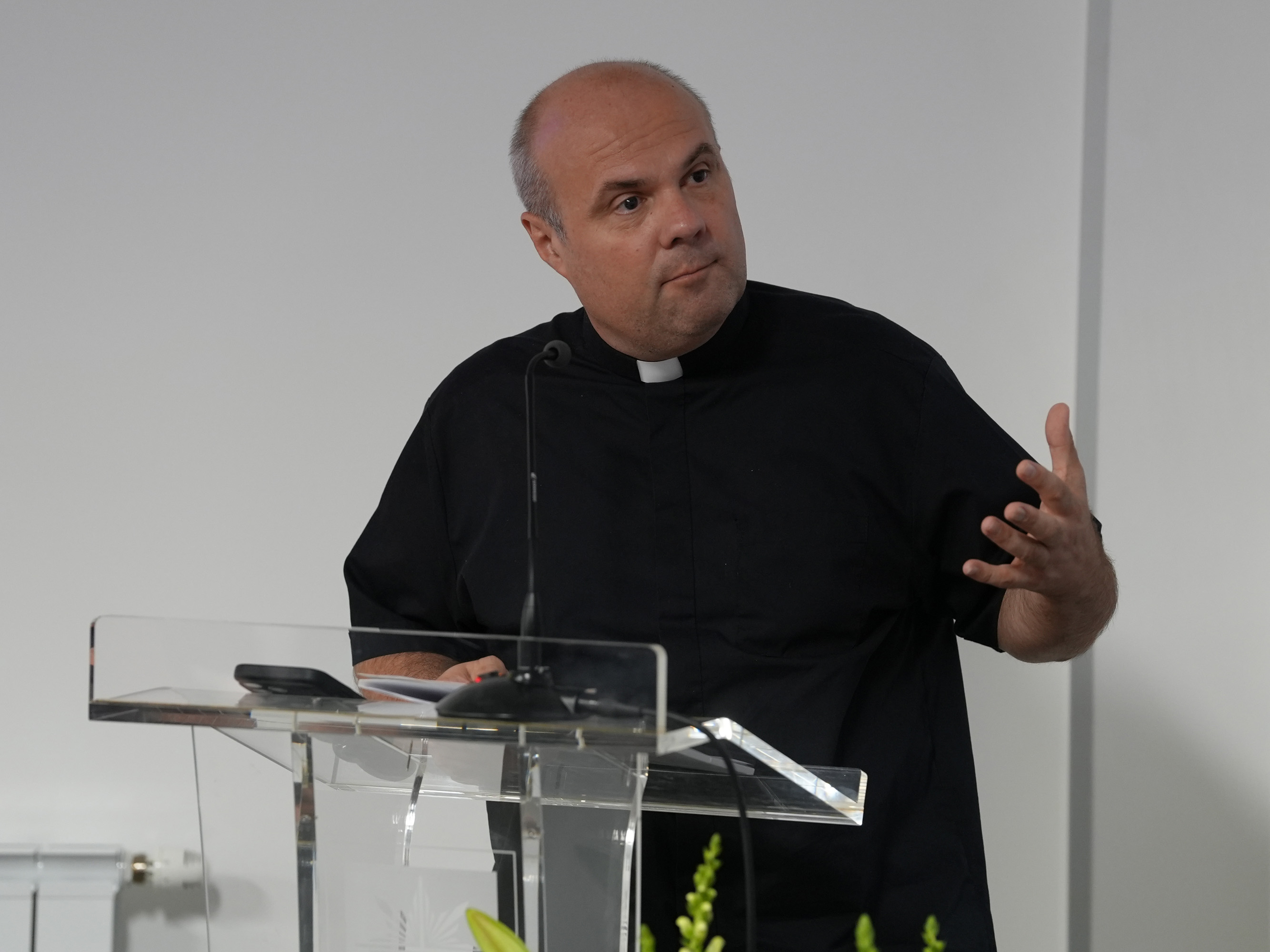
The Study Day opened with welcoming remarks by Vice-Rector for Quality, Identity and Mission, Professor Ante Crnčević, PhD, and Bishop Ivo Martinović, President of the Croatian Bishops’ Conference Council for Life and Family. In the opening lecture, “The Human Response to God’s Gift of Fertility in the 21st Century,” Assistant Professor Rev. Damir Šehić, PhD, emphasized that fertility is not merely a biological capacity for reproduction, but a profound anthropological, moral, and spiritual reality expressing the human vocation to self-giving, acceptance of others, and responsible cooperation with God in the service of life.
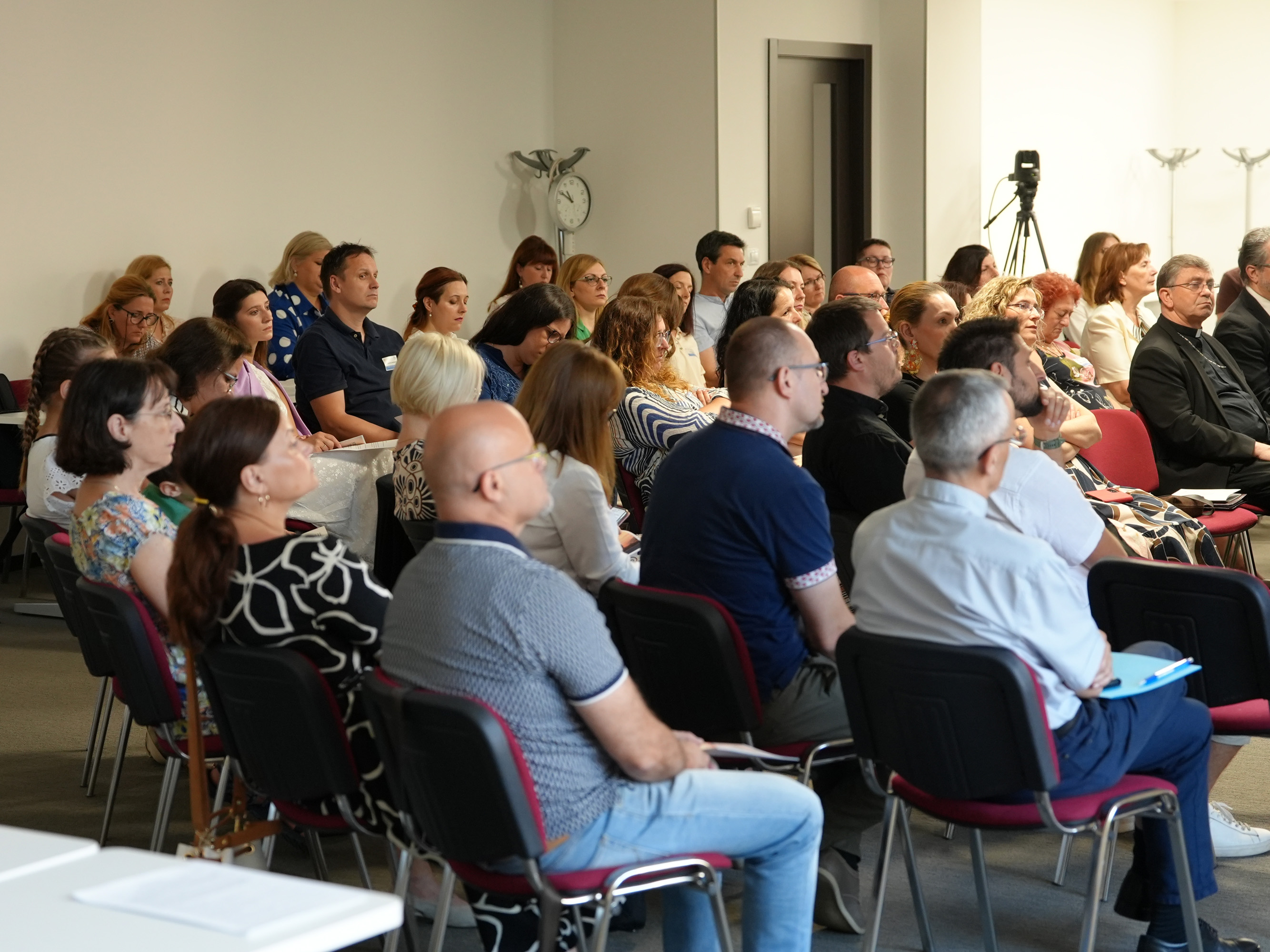
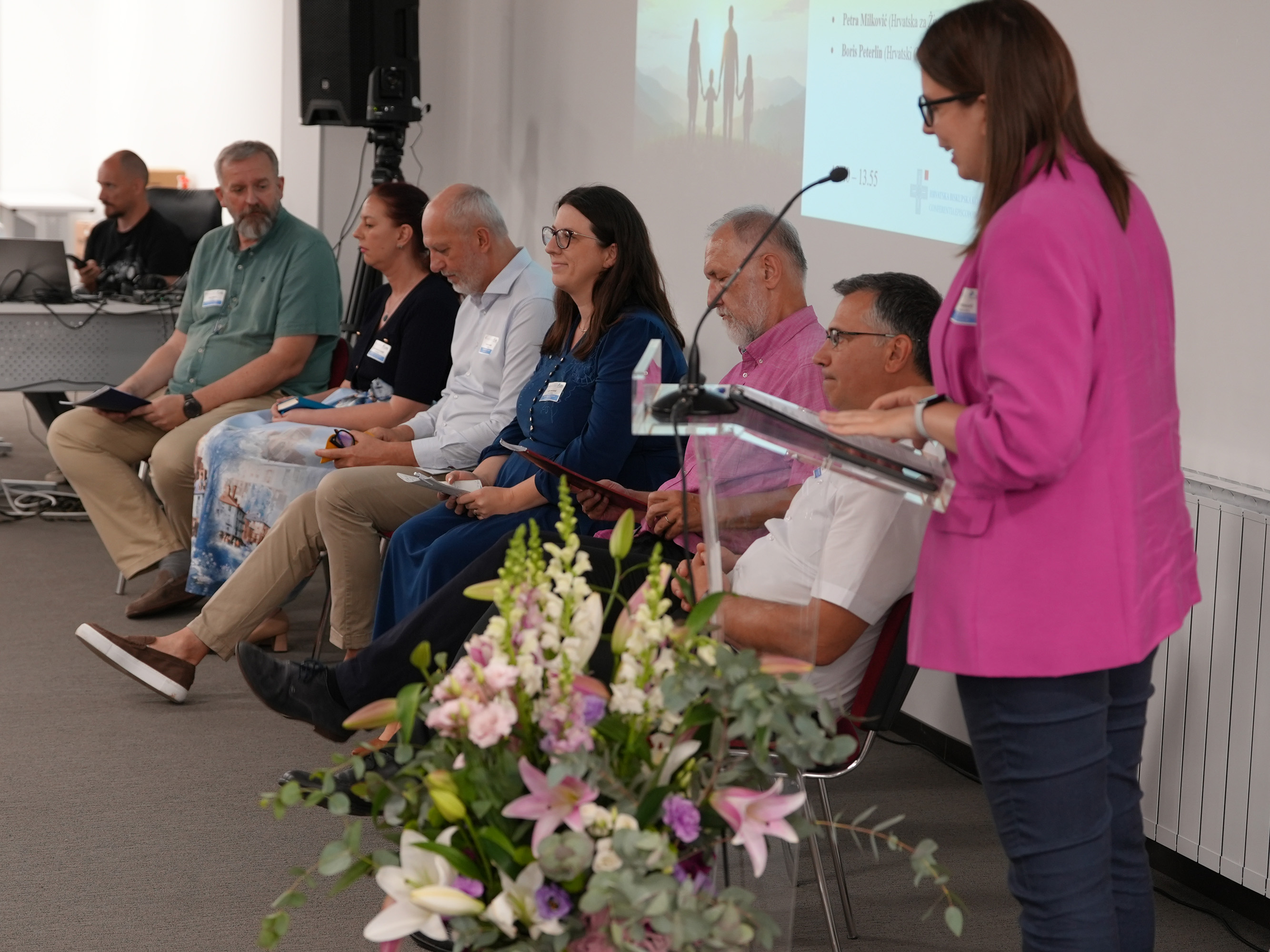
Across four panel discussions, bringing together academics, experts, and representatives of various institutions, associations, and initiatives, participants explored a range of contemporary challenges affecting the understanding and lived experience of fertility. Among the topics discussed were demographic decline, changing perceptions of marriage and family, insufficient investment in social programmes and services for children and families, delayed parenthood, the crisis of the family as the primary environment for education in sexuality and fertility, the contraceptive mentality, and the lack of knowledge about the biology and physiology of fertility.
The panels also presented numerous examples of good practice and existing support mechanisms, including educational programmes promoting an understanding of fertility as a gift, fertility awareness education, nutritional, medical, psychological, and spiritual support for couples, as well as various opportunities to live out the gift of fertility and serve human life through adoption, foster care, education, charitable work, and care for vulnerable individuals.
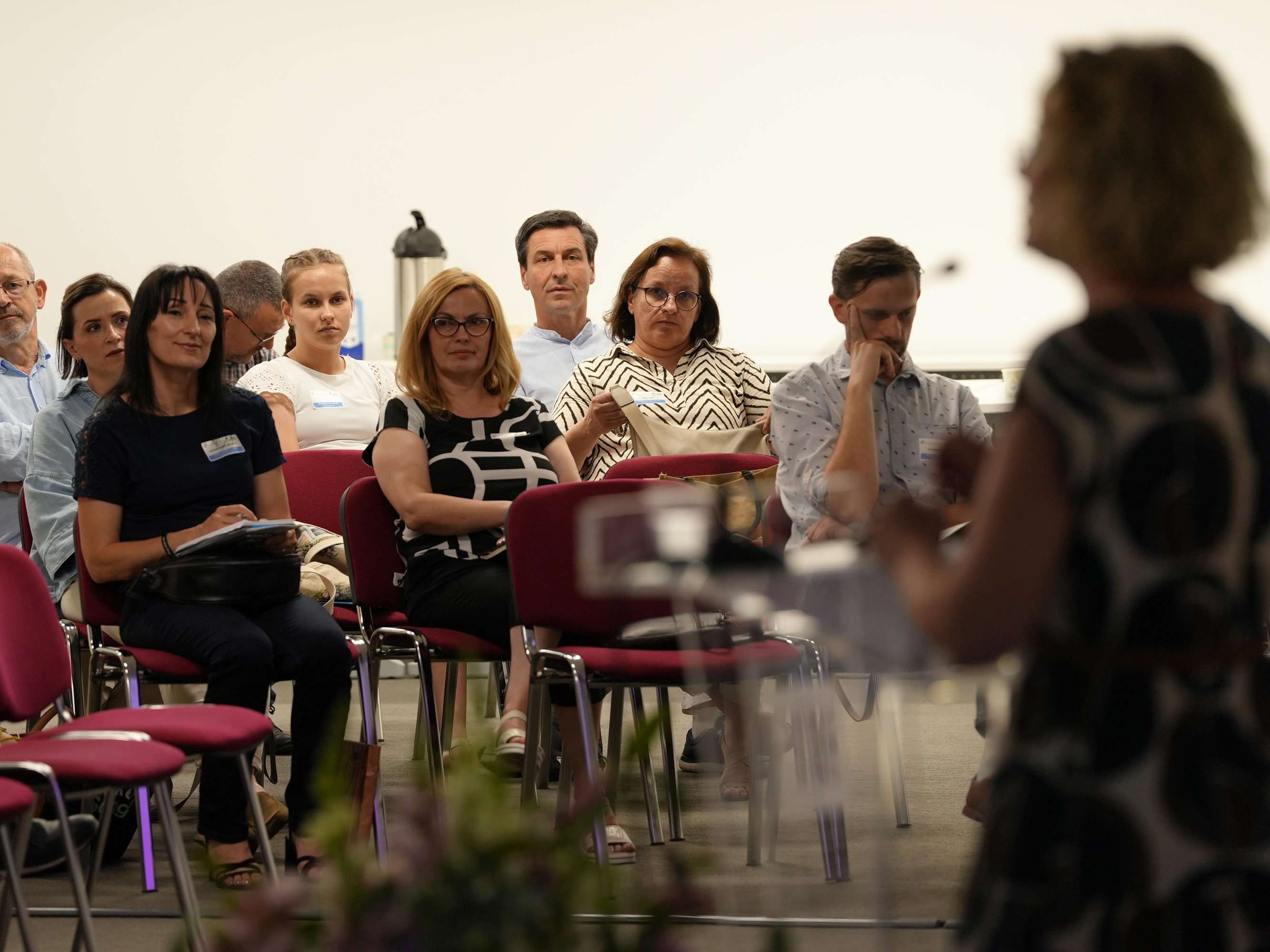
The Study Day served as a powerful reminder of the importance of recognizing, embracing, and nurturing fertility as a gift from God. It also provided an excellent opportunity for professionals and collaborators involved in the pastoral care of life and fertility to meet, strengthen existing networks, and develop new ideas and initiatives for the benefit of individuals, married couples, families, and society.