Share
Sketches from the life of Blessed Alojzije Stepinac
On Tuesday, February 10, we celebrate the feast of Blessed Alojzije Stepinac. In preparation for this day, we bring you brief insights from his life.
Alojzije Viktor Stepinac was born on May 8, 1898, in Brezarić, in the parish of Krašić, as the fifth of eight children in the family of Josip and Barbara Stepinac. Growing up in a simple rural environment strongly shaped his character: work, discipline, and faith were part of everyday life. This close connection between faith and life would also mark his later work.
During the First World War, he was mobilized into the Austro-Hungarian army. He took part in battles on the Italian front, where he was wounded and captured. The war experience left a deep mark on his life. After returning home, he studied agronomy for a time, considering a peaceful family life, but gradually his decision to pursue the priesthood matured. In 1924, he went to Rome to study theology.
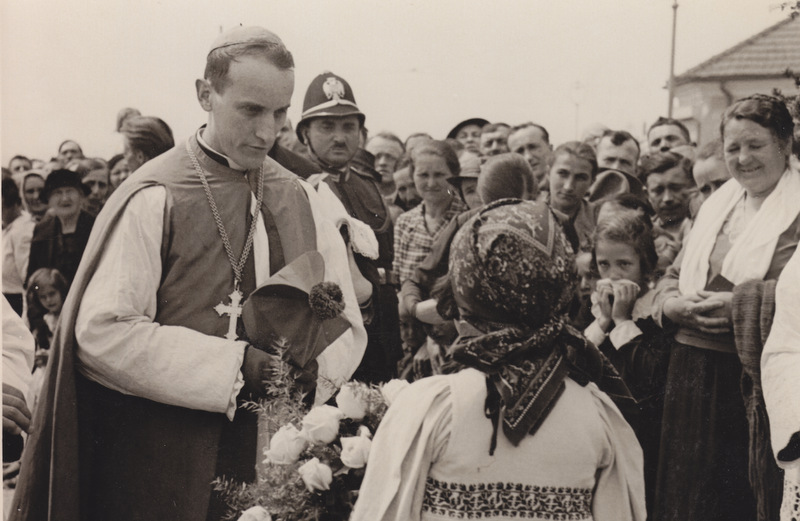
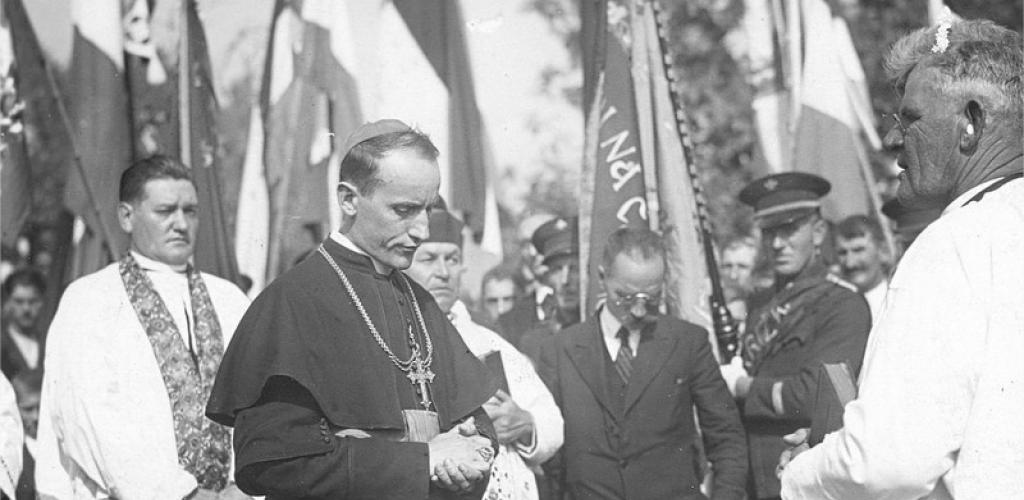
He was ordained a priest in 1930. Just four years later, in 1934, he was appointed Coadjutor Archbishop of Zagreb, and after the death of Archbishop Antun Bauer in 1937, he assumed the office of Archbishop of Zagreb. At the time, he was one of the youngest archbishops in Europe. Despite his youth, he approached his ministry with seriousness and clarity, emphasizing the importance of spiritual renewal, regular sacramental life, and charitable activity.
He was particularly committed to the Caritas of the Archdiocese of Zagreb, believing that the Church must be concretely present among the poor, the sick, and those in need. During the difficult years of the Second World War, he led the Archdiocese under complex circumstances, striving to preserve the Church’s freedom and fidelity to Gospel principles. In his public addresses, he consistently emphasized respect for human dignity and the responsibility of conscience.
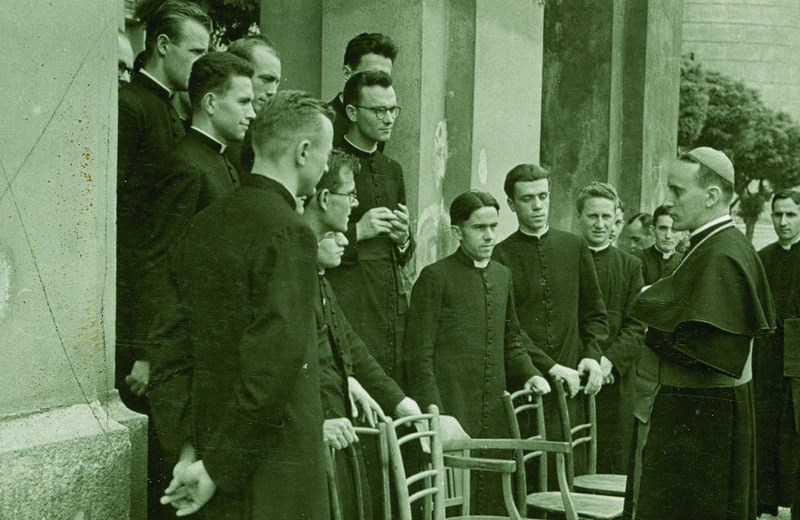
After the end of the war, the communist authorities arrested Archbishop Stepinac. In October 1946, he was sentenced to a long prison term in a politically motivated trial. He served his sentence in the Lepoglava prison, where harsh living conditions further undermined his health. In 1951, he was transferred to house arrest in Krašić, where he remained until the end of his life, under constant surveillance and with restricted contact with the outside world.
Despite imprisonment and illness, he remained faithful to the Church and to his conscience. In 1953, Pope Pius XII appointed him a cardinal, although Stepinac was unable to travel to Rome to receive the cardinal’s insignia due to his confinement. This act further affirmed his role and significance in the life of the Church.
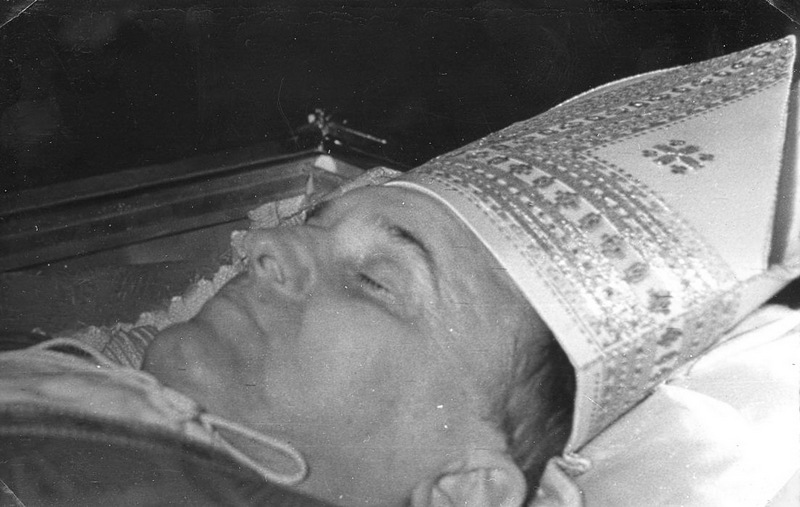
Blessed Alojzije Stepinac died on February 10, 1960, in Krašić. He was buried in Zagreb Cathedral, and his tomb soon became a place of prayer and gathering for the faithful. Pope John Paul II proclaimed him Blessed on October 3, 1998, in Marija Bistrica.
The life of Blessed Alojzije Stepinac remains a lasting testimony of fidelity to one’s calling, perseverance in trials, and the responsibility of a shepherd who, in difficult historical circumstances, sought to remain faithful to God, the Church, and his own conscience.