Share
Summer School of Nonviolence and Nonviolent Communication Concluded
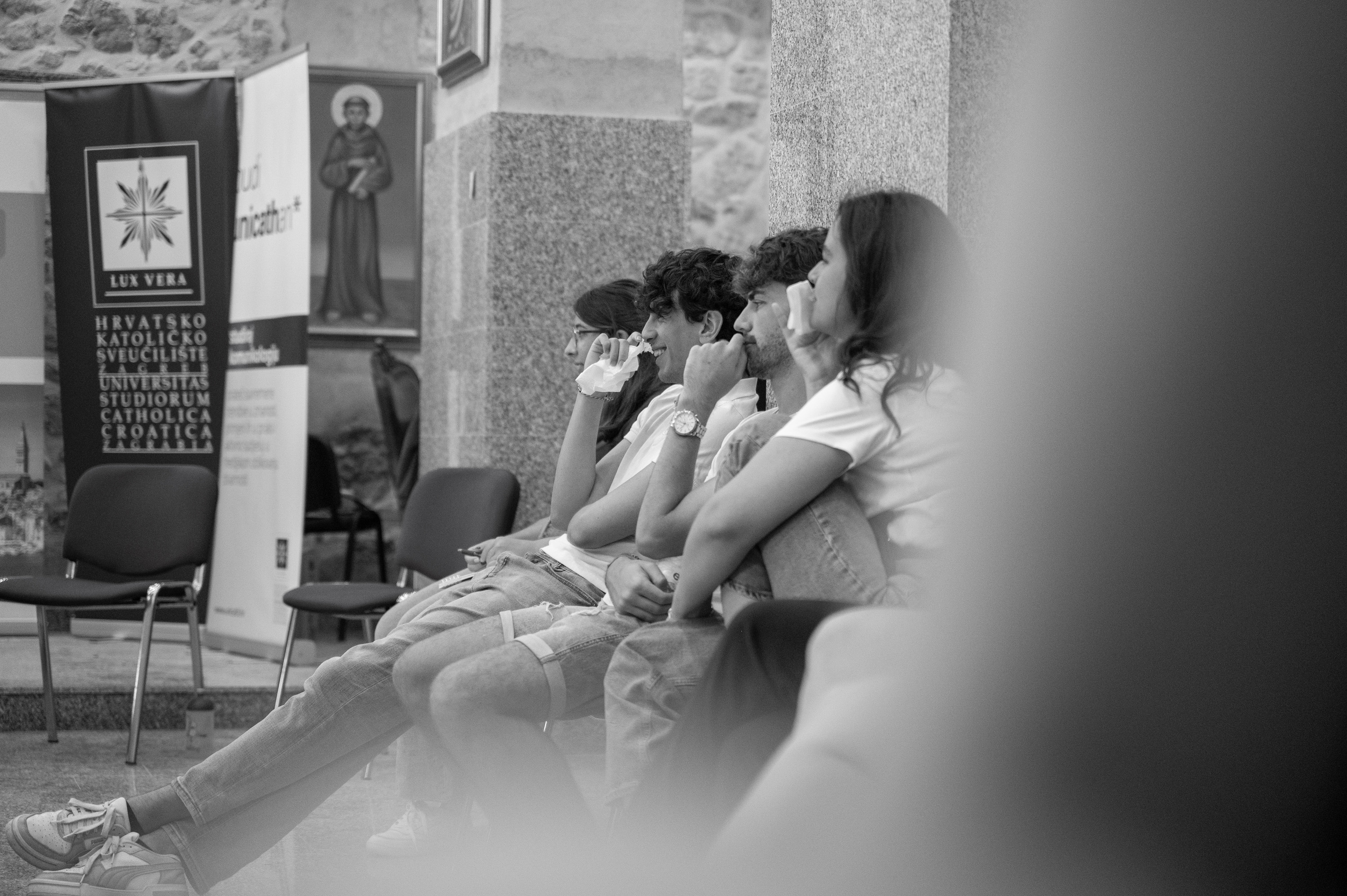
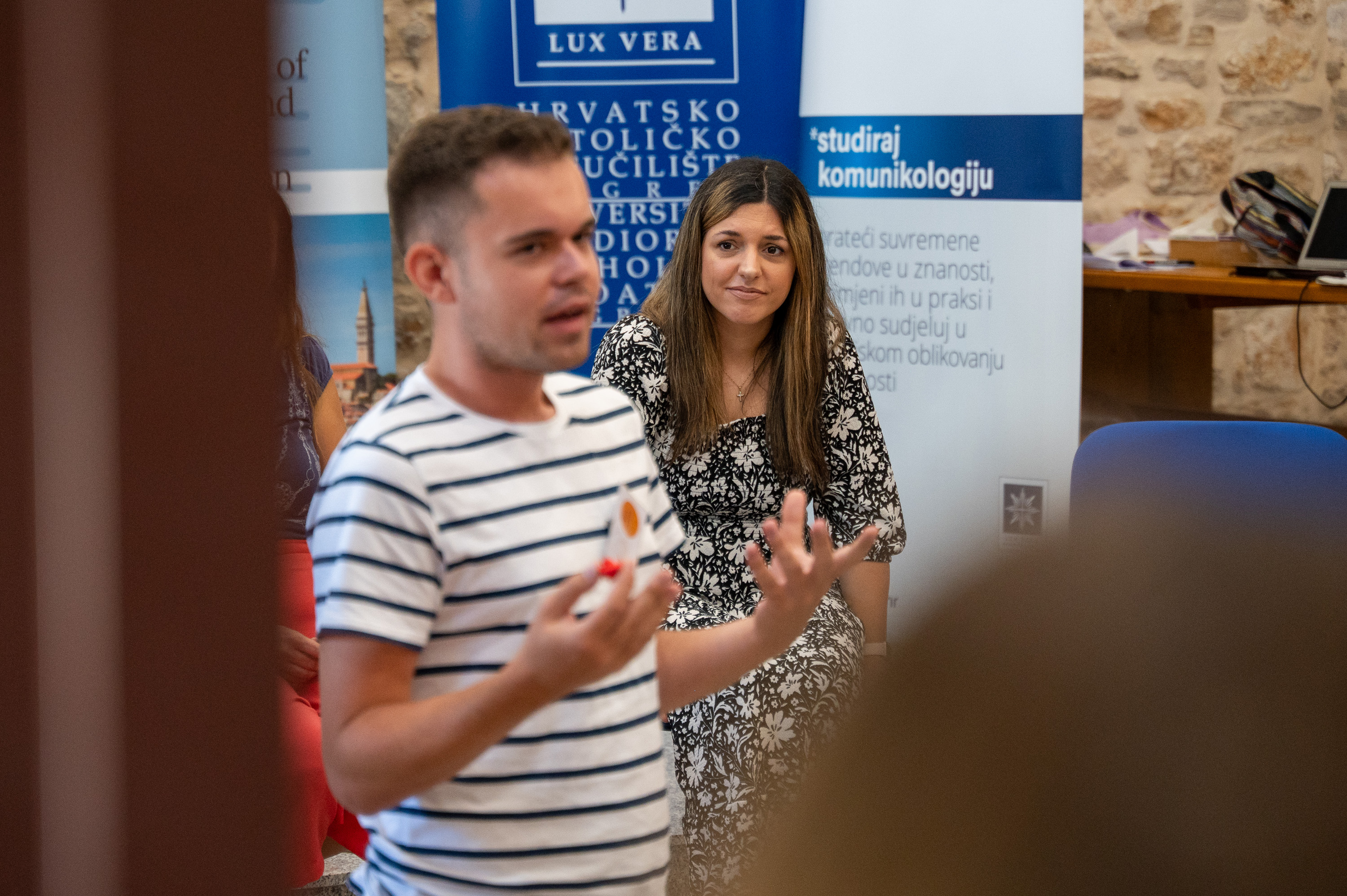
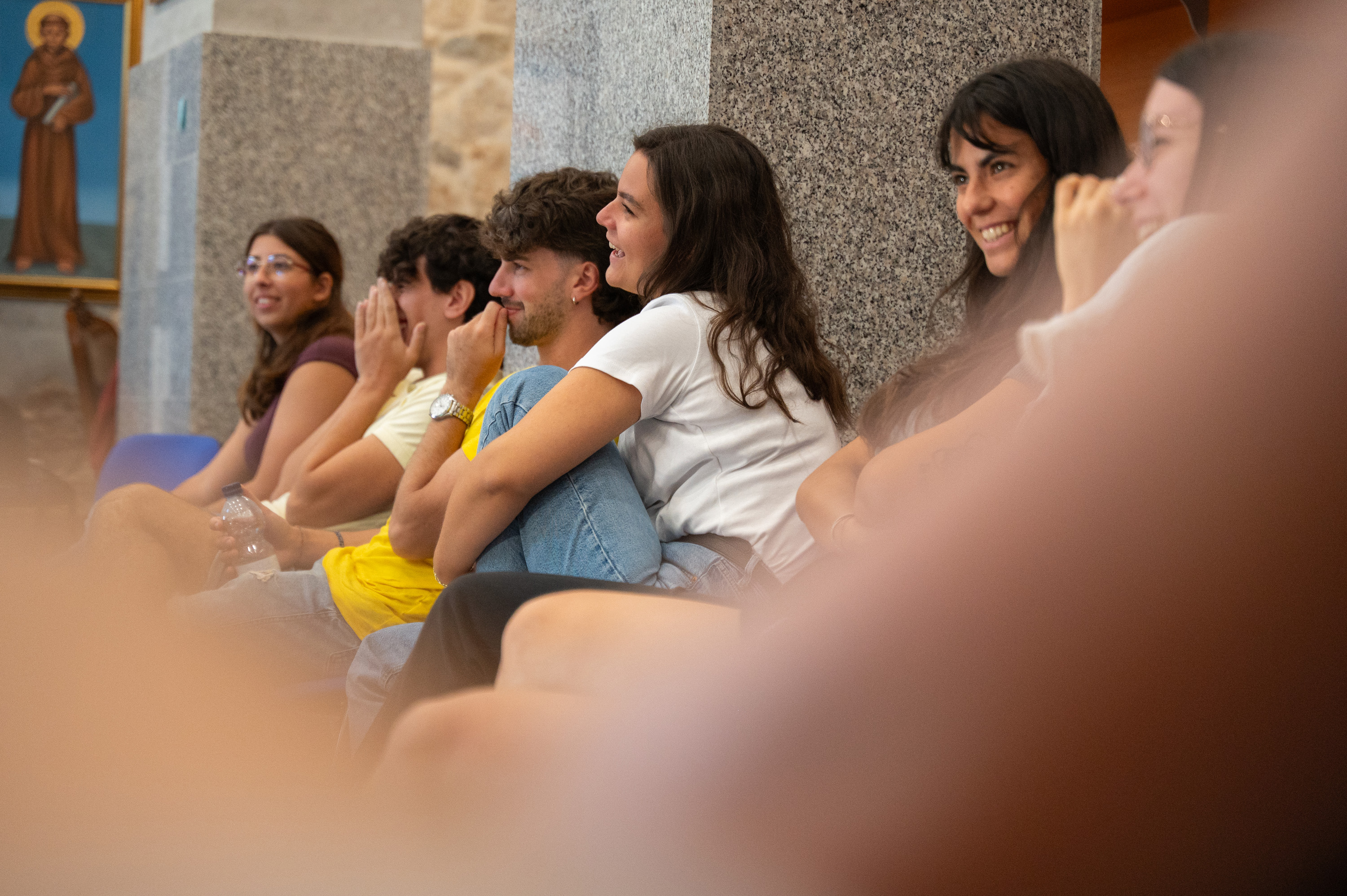
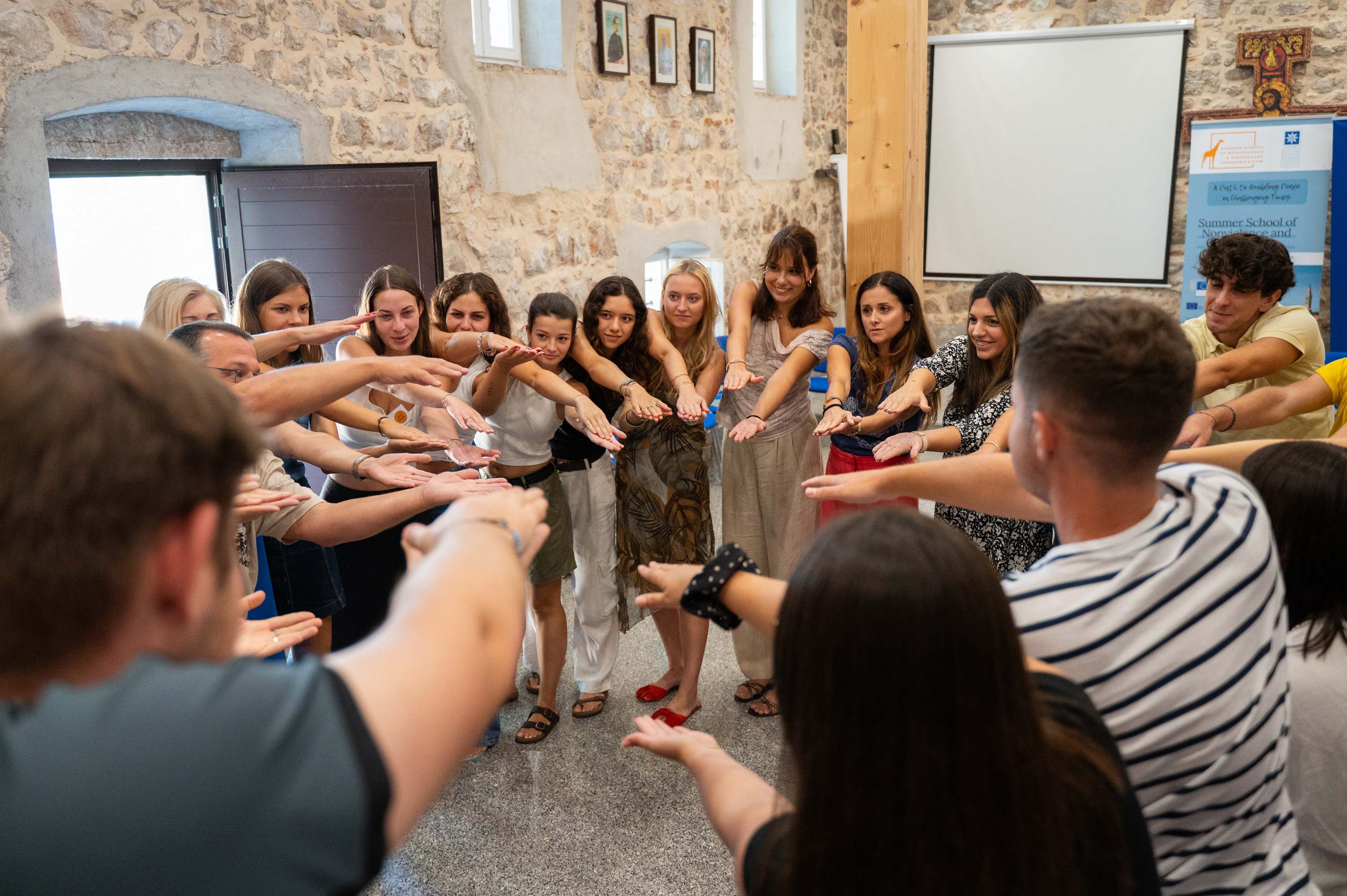
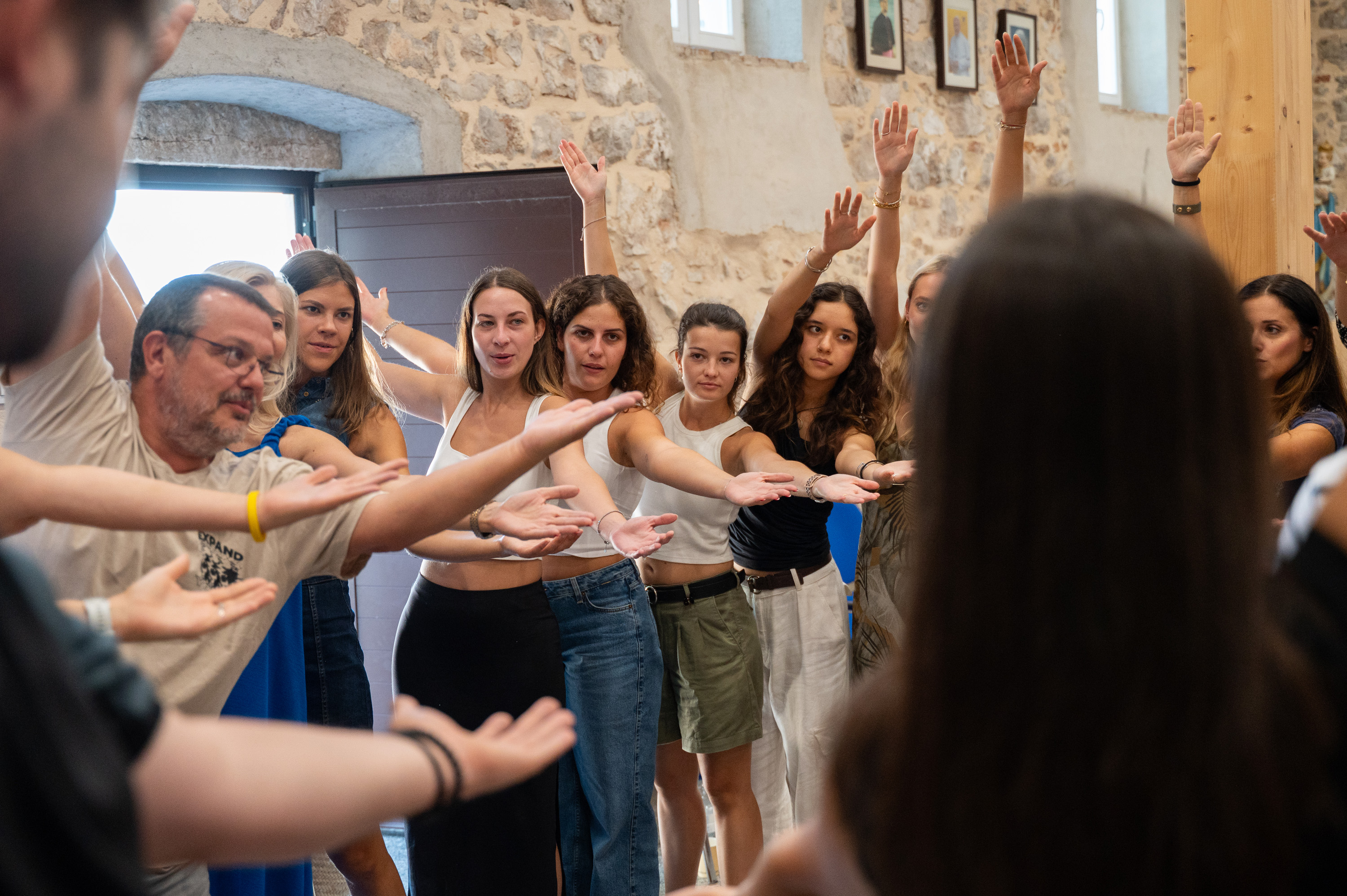
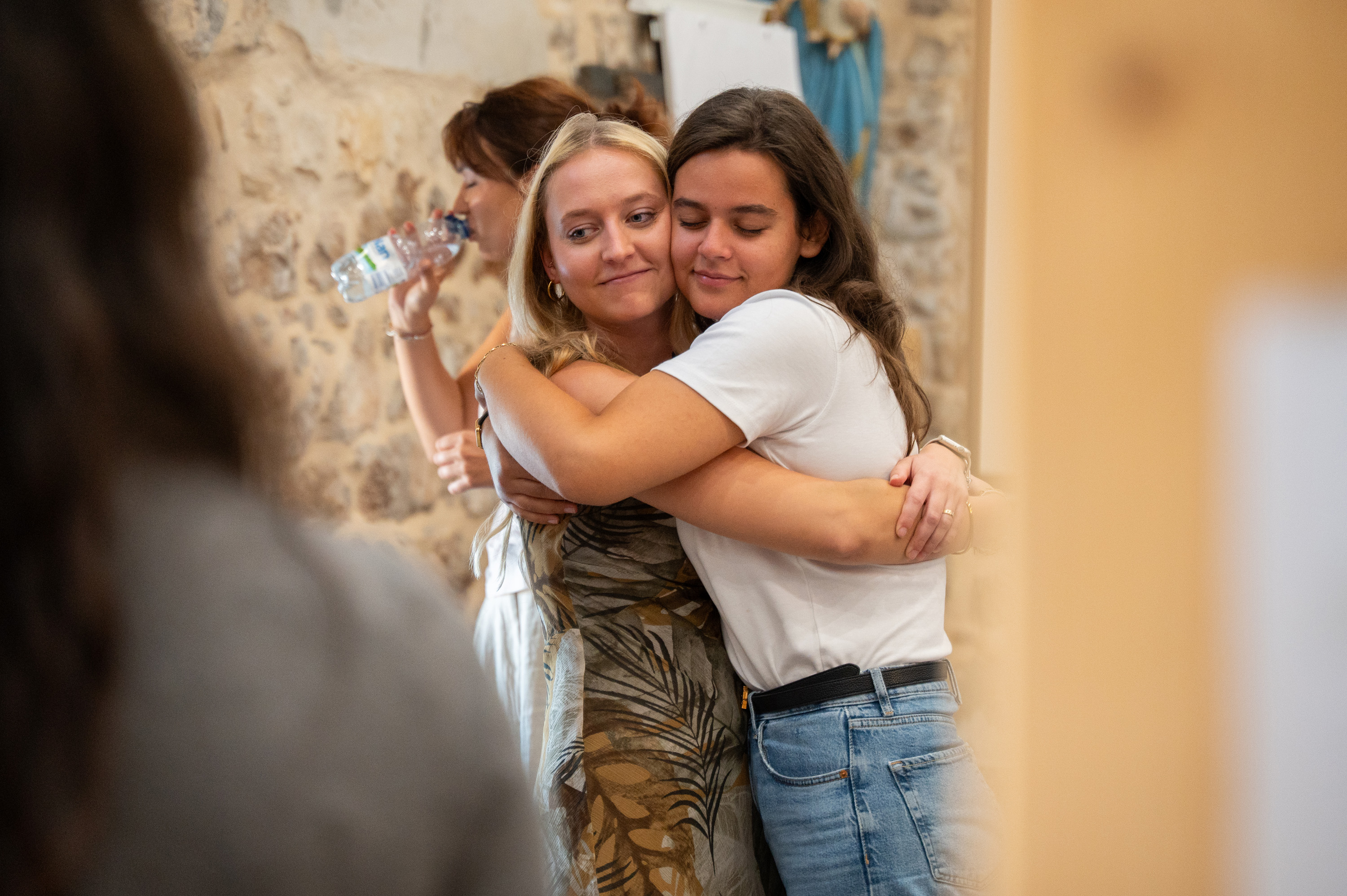
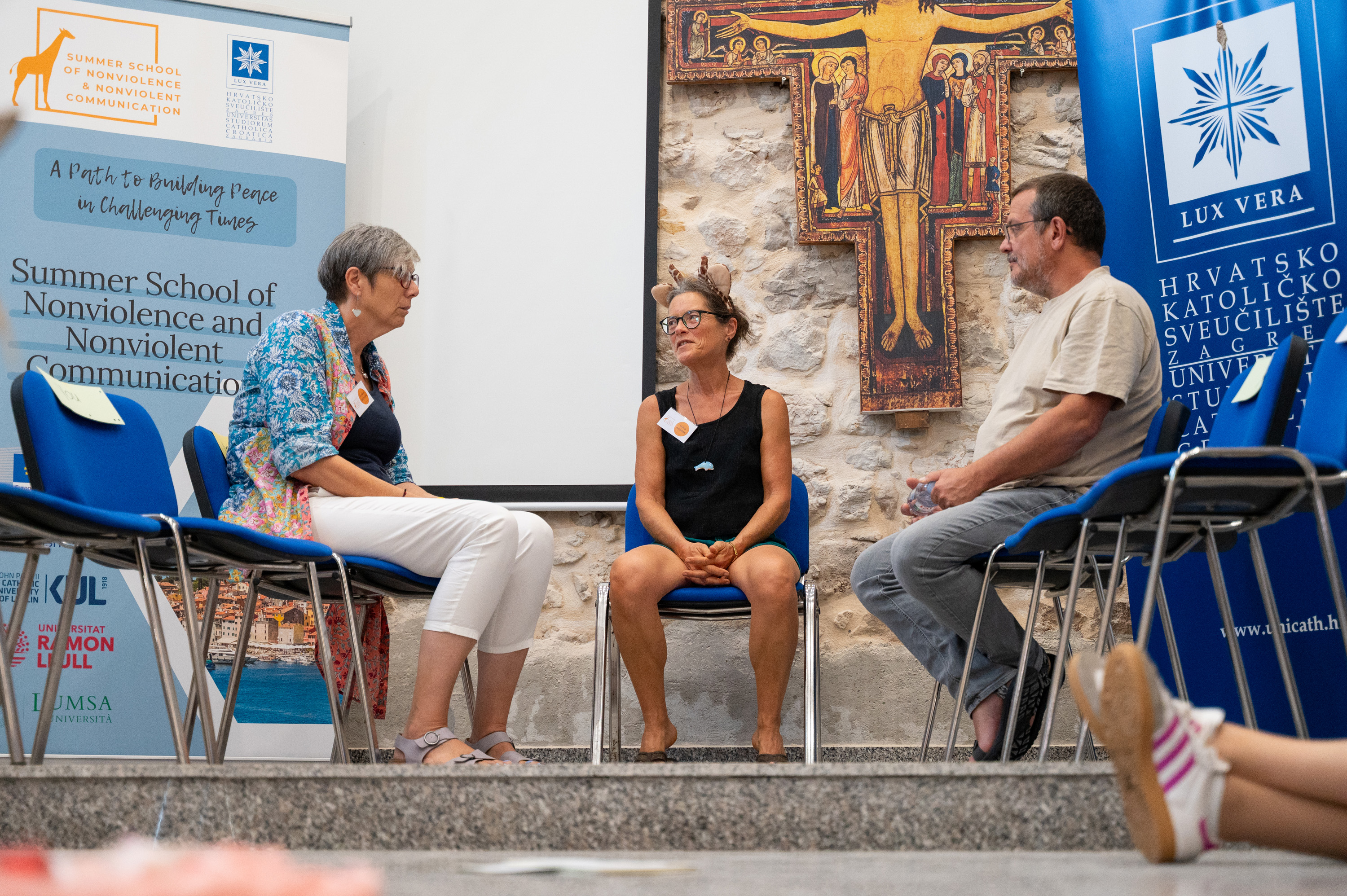
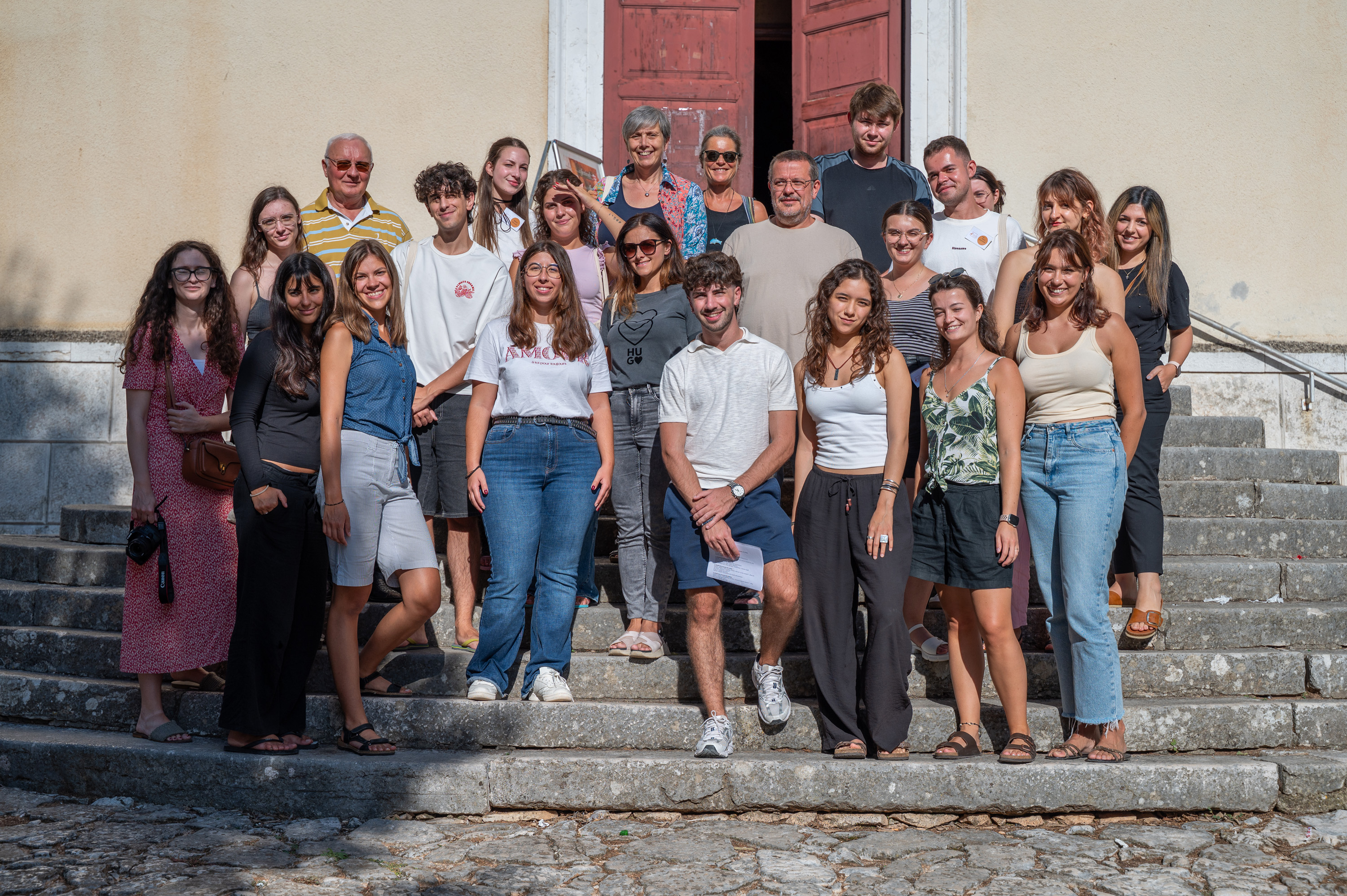
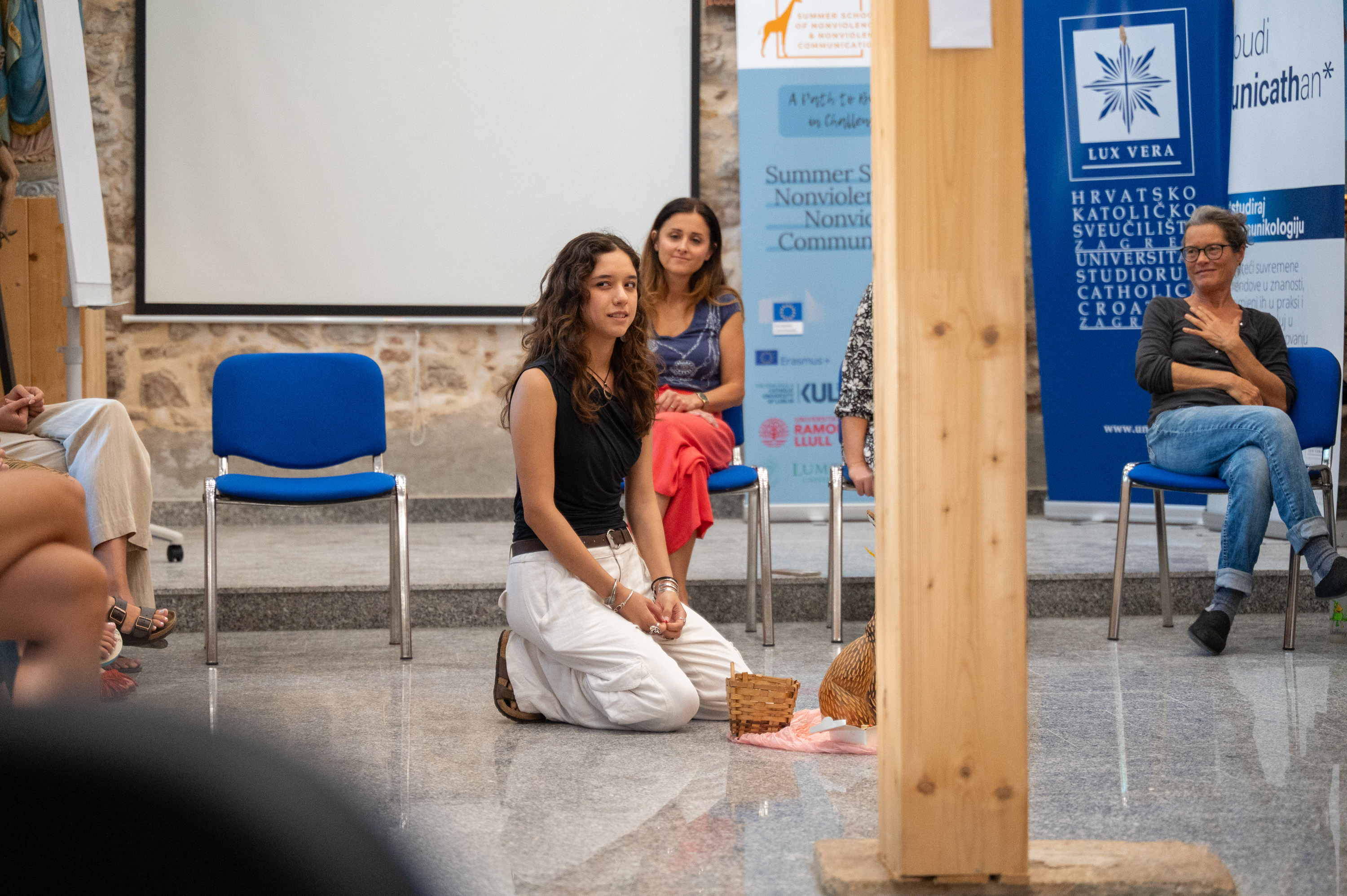
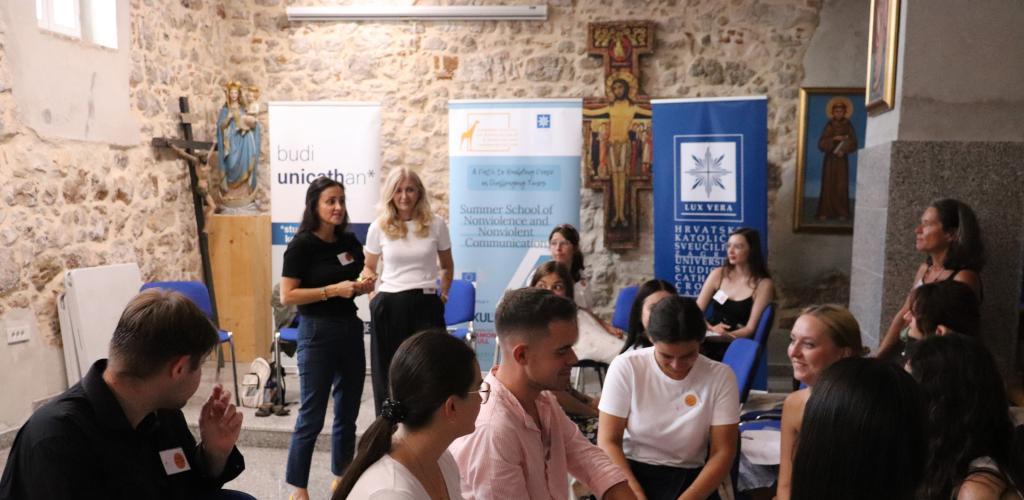
The International Summer School of Nonviolence and Nonviolent Communication concluded on Friday, September 12, at the Monastery of St. Francis in Rovinj with a final gathering of participants and lecturers, sharing reflections and experiences from the program.
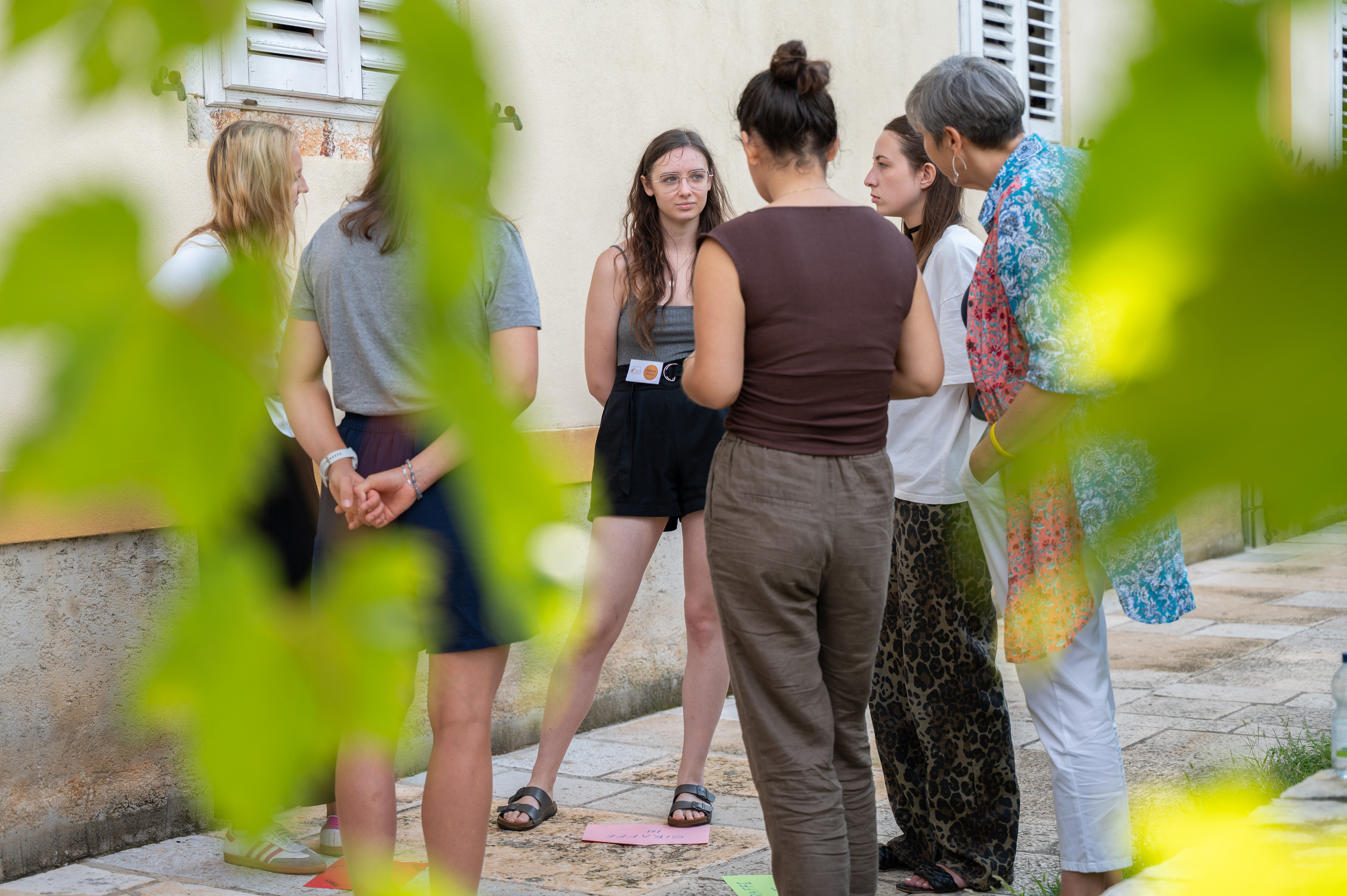
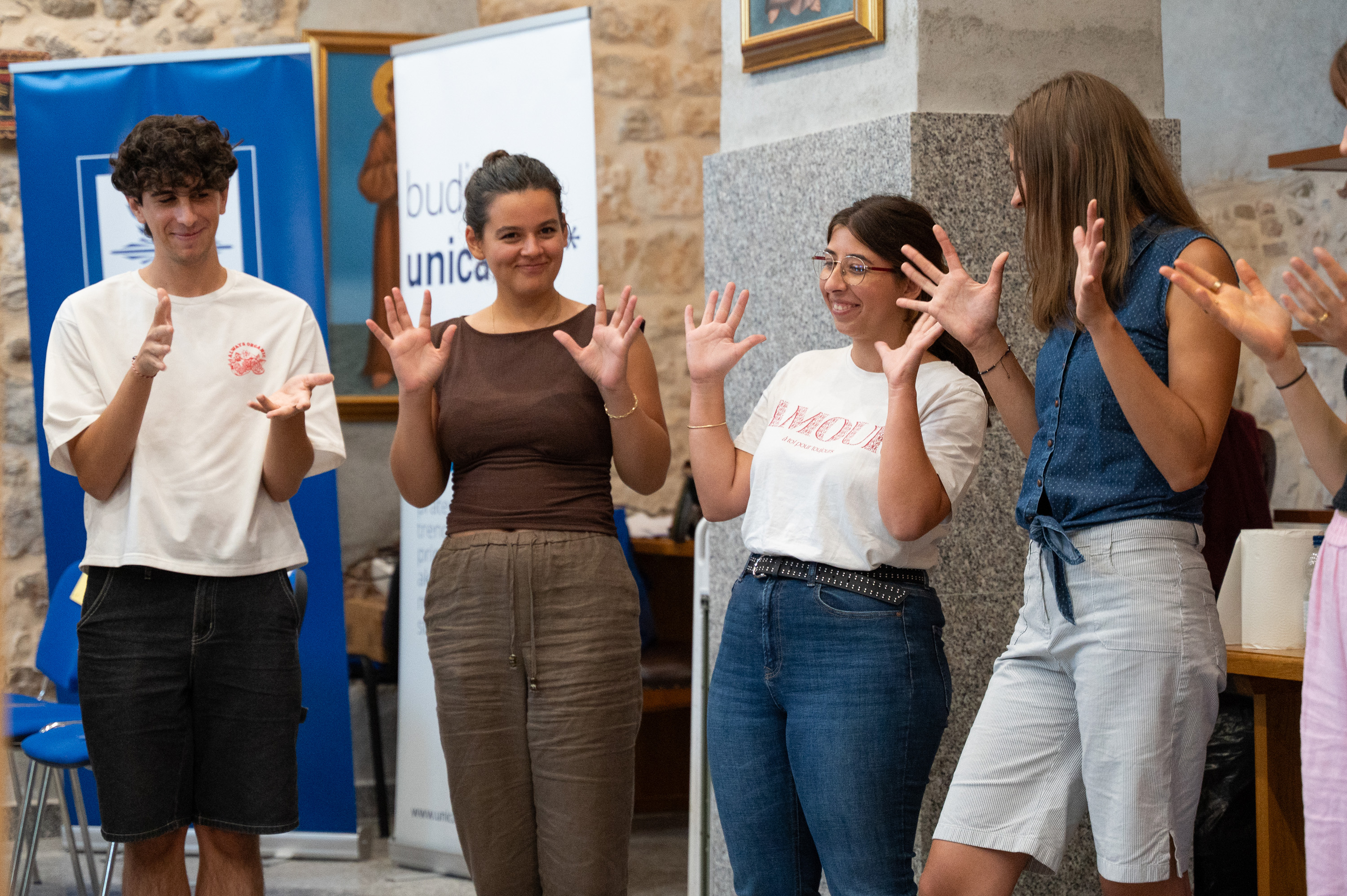
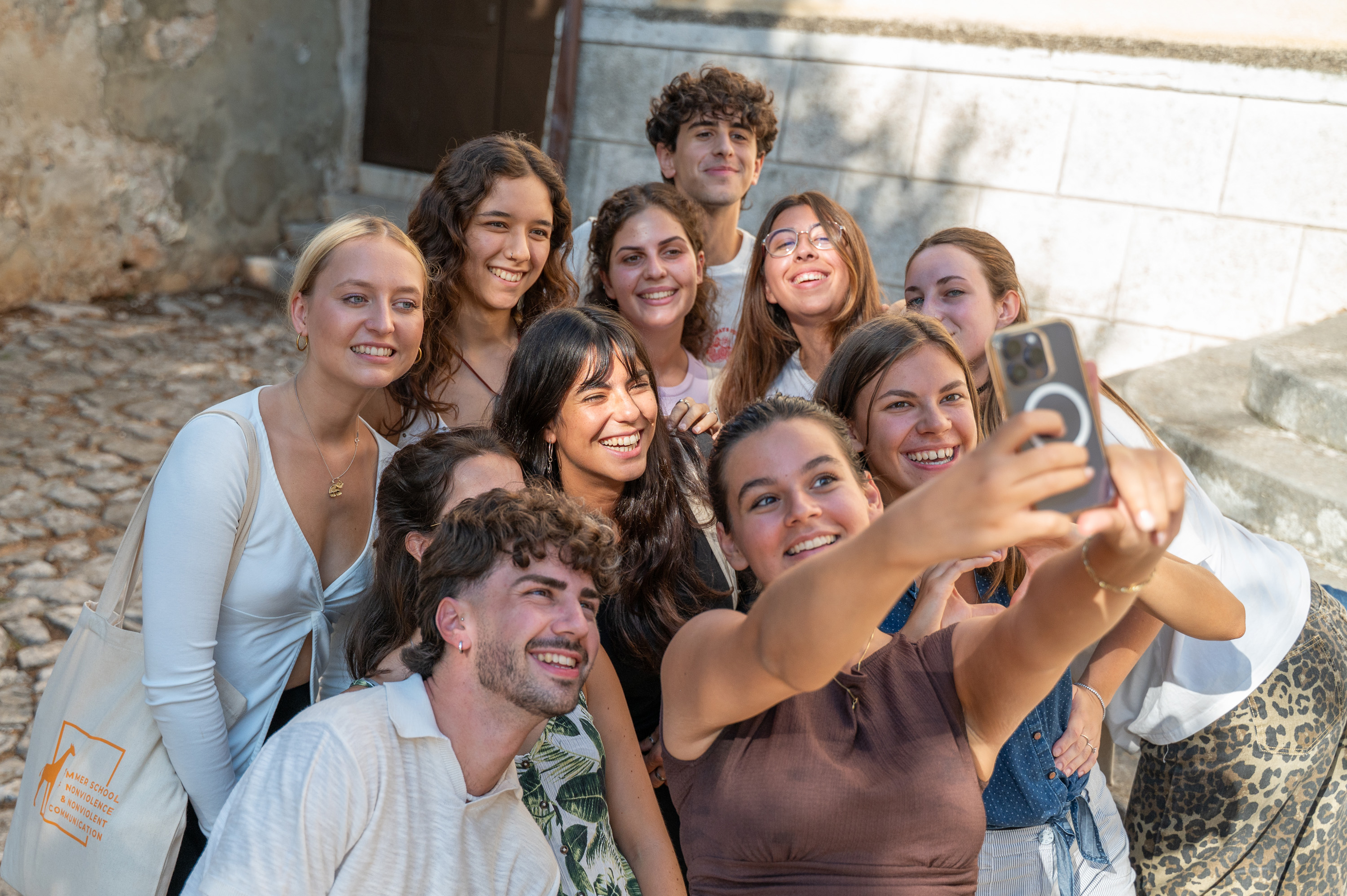
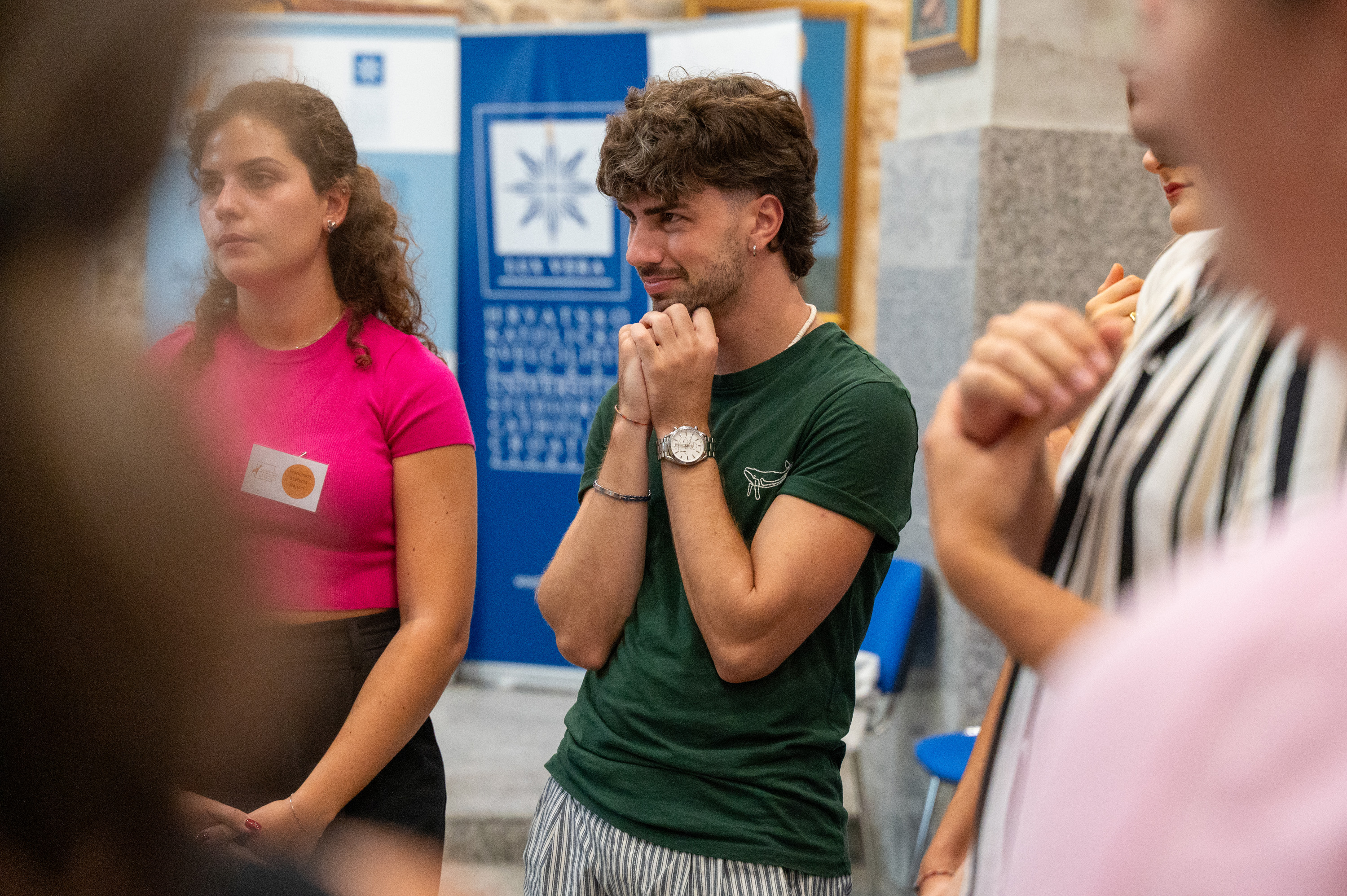
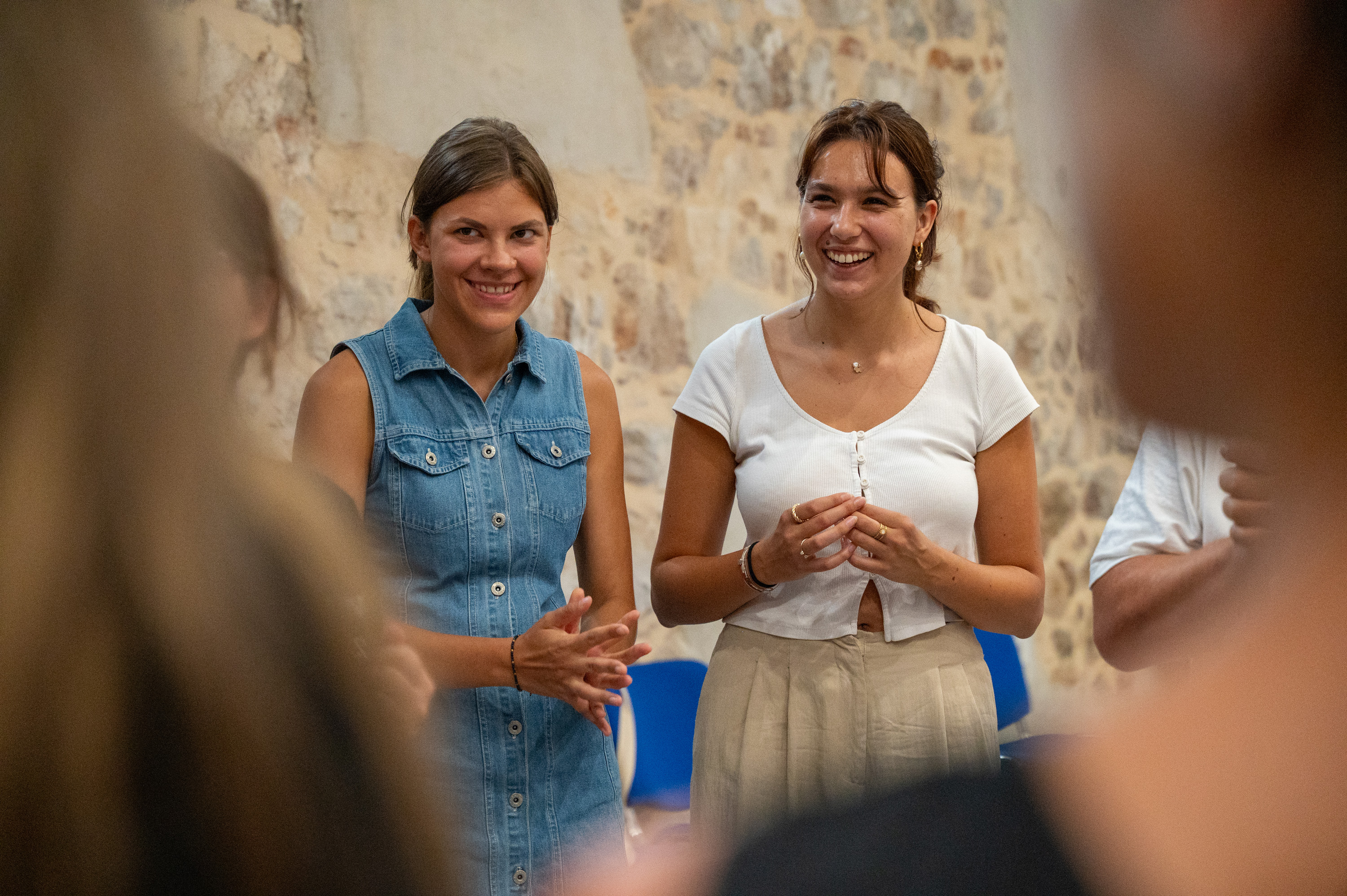
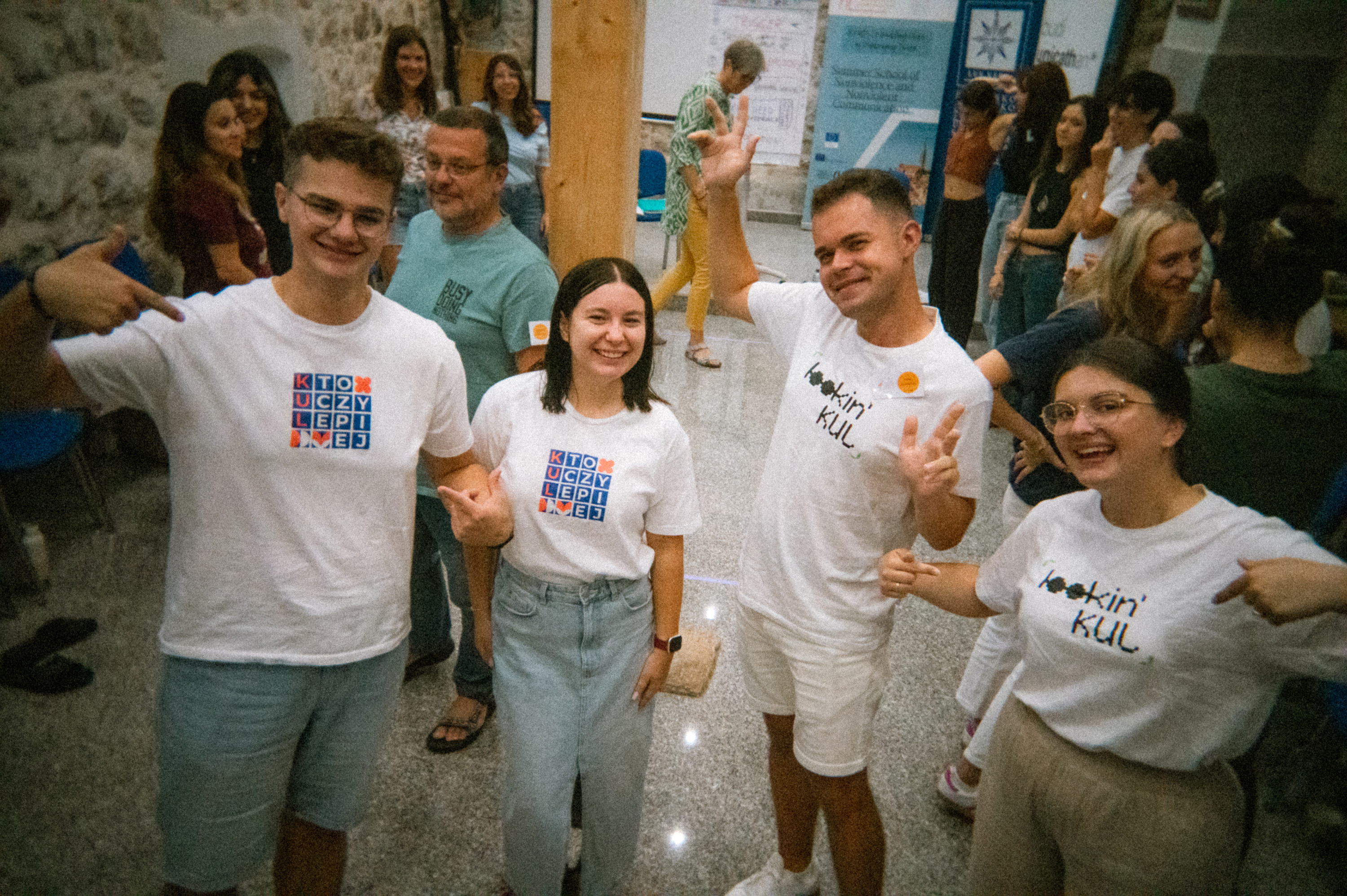
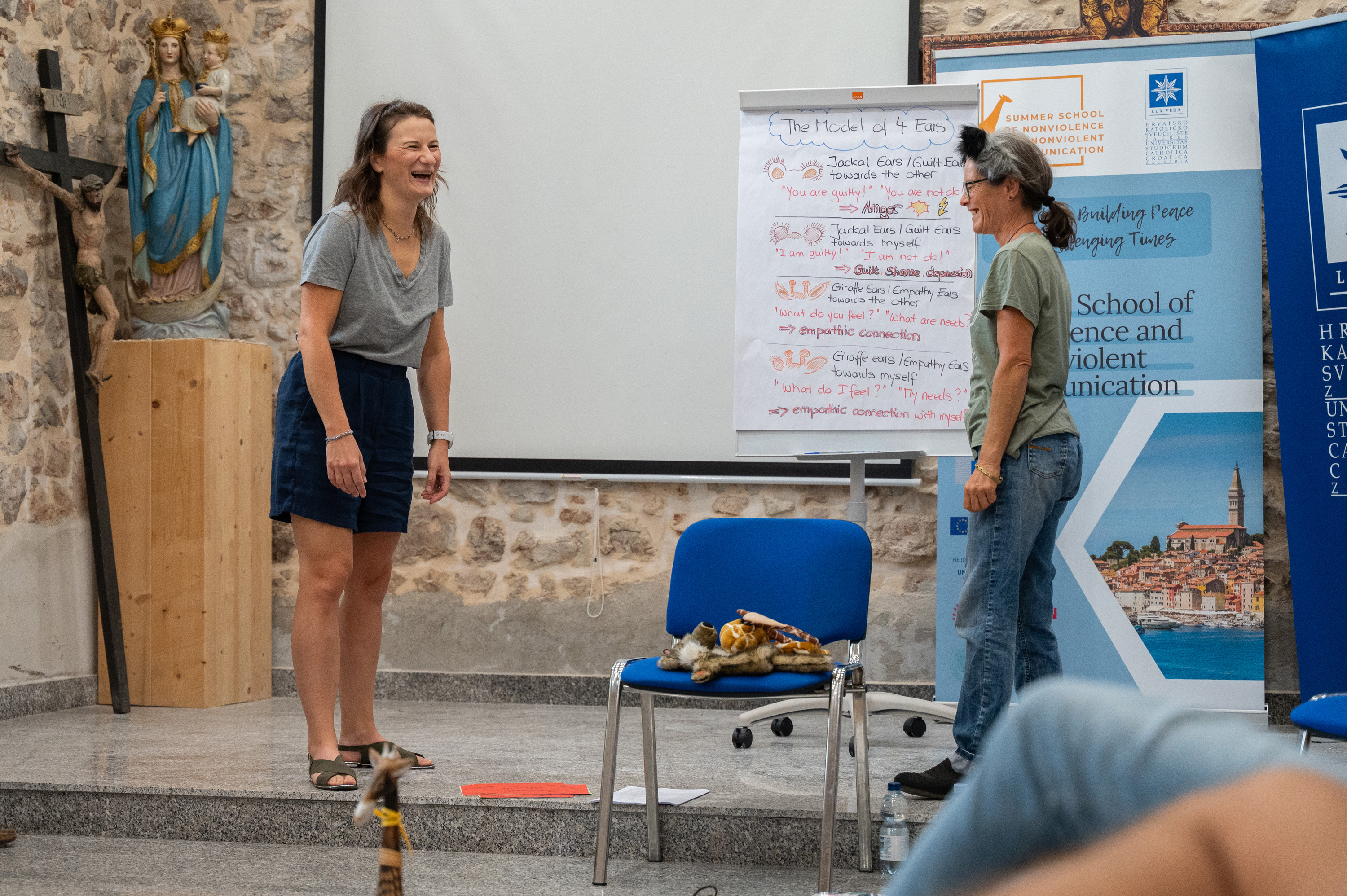
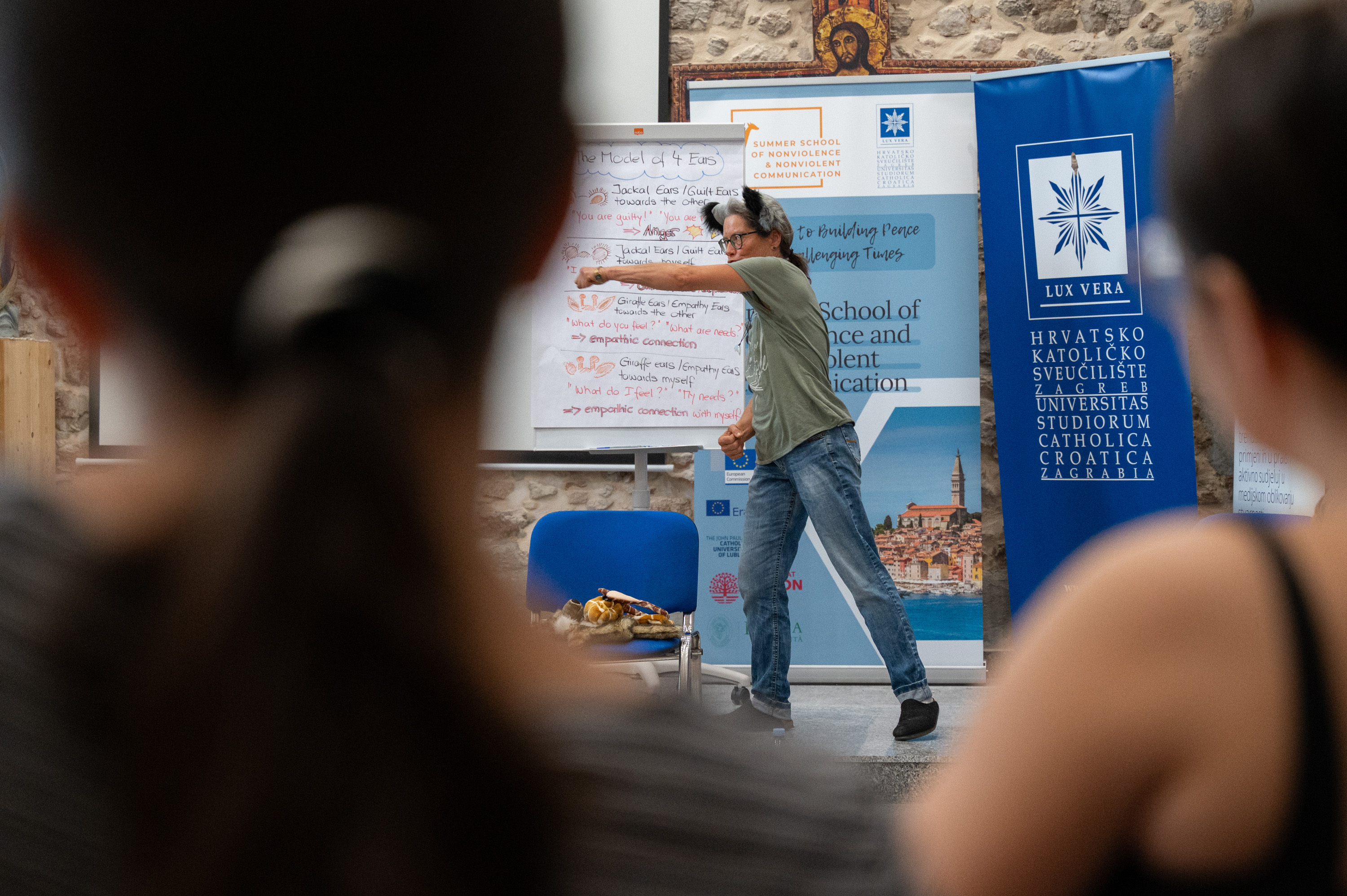
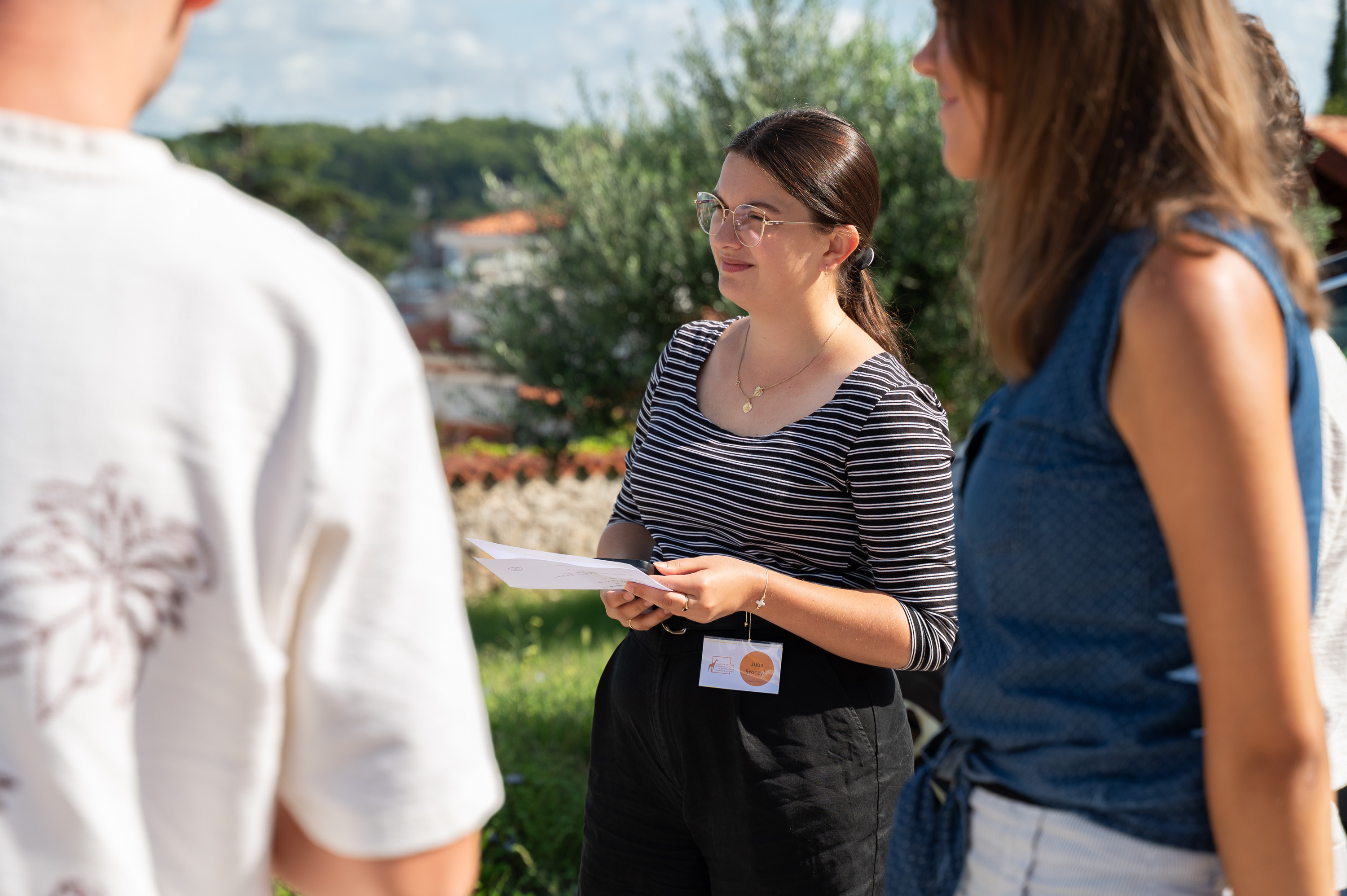
Alongside students from the Catholic University of Croatia, participants included students from LUMSA University in Rome (Italy), the Catholic University of Murcia (Spain), and John Paul II Catholic University of Lublin (Poland). Over six days, participants gained theoretical knowledge and practical tools based on the model of nonviolent communication developed by American clinical psychologist Marshall Rosenberg. Throughout the program, they engaged with themes such as empathy, assertive expression, active listening, conflict resolution skills, and peacebuilding on personal, social, and global levels.
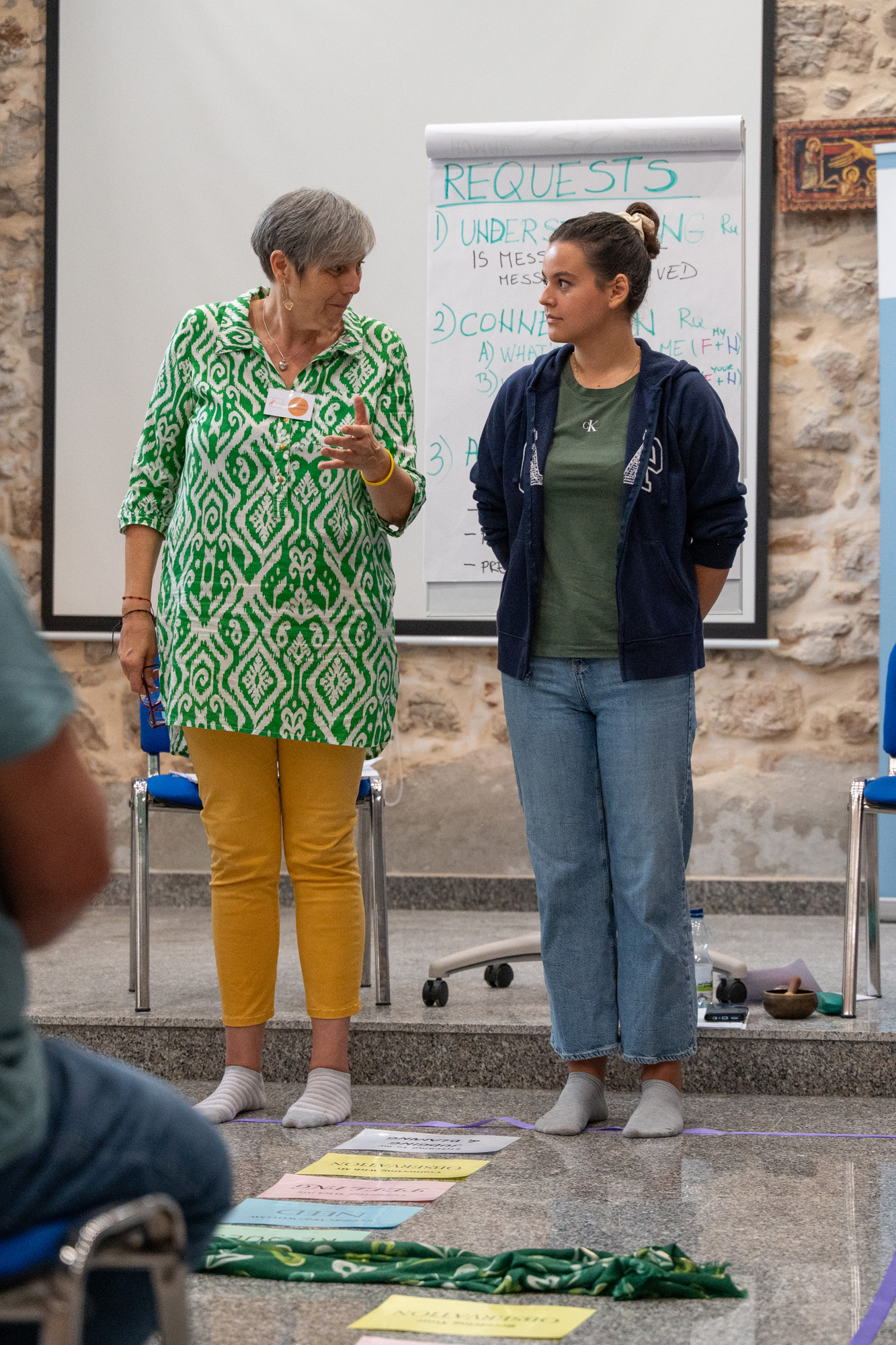
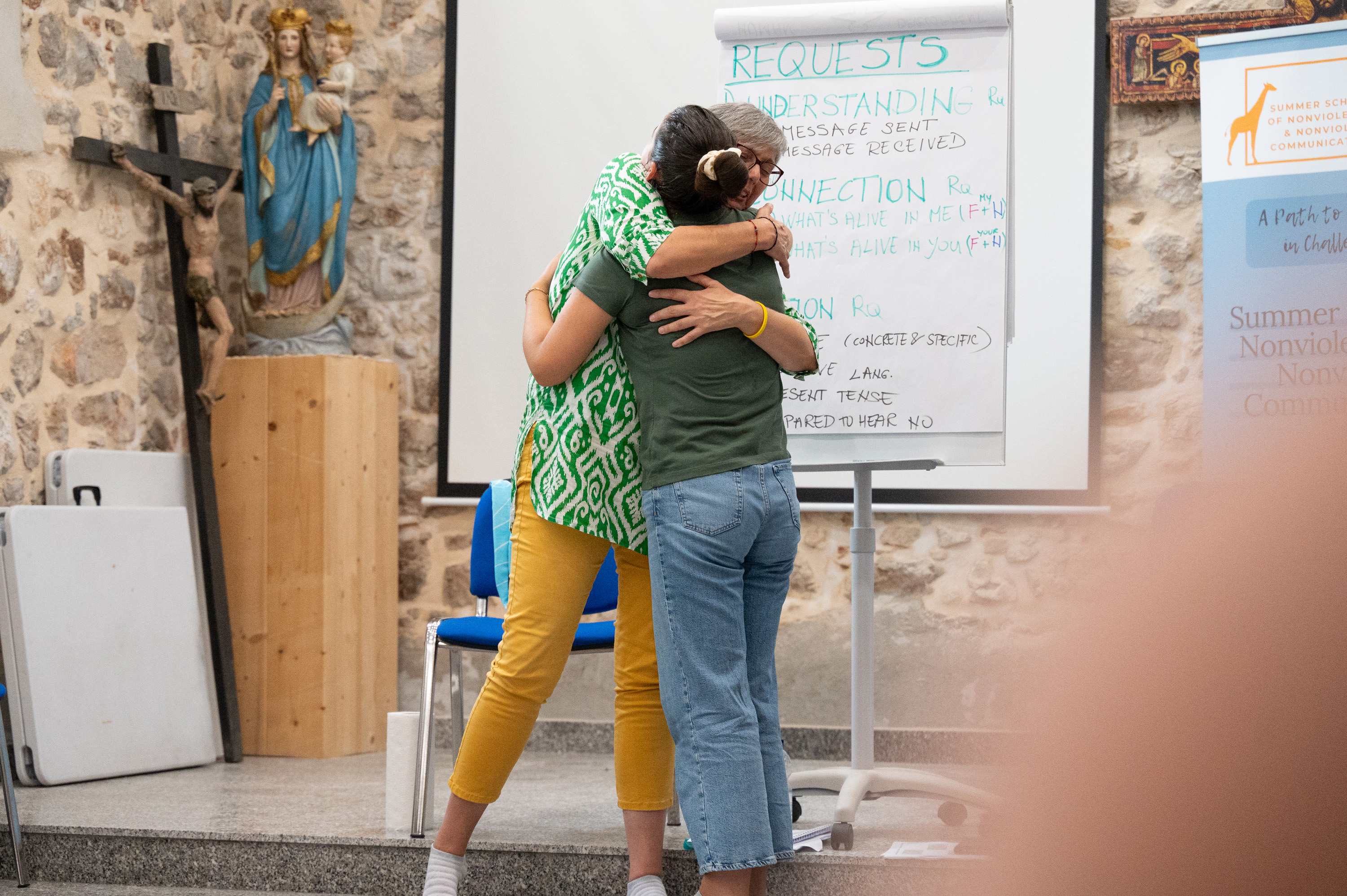
Following the opening of the Summer School, on the second day the program was led by Assoc. Prof. Irena Sever Globan, Ph.D., and Senior Assistant Lea Osmančević, Ph.D., from the Department of Communication. They introduced participants to the core principles of nonviolent communication, its theoretical foundations, and its practical applications in everyday life. They also presented Rosenberg’s work and explained the four steps of nonviolent communication: observing without judgment, expressing feelings honestly, recognizing and articulating needs, and formulating clear requests for connection and action.
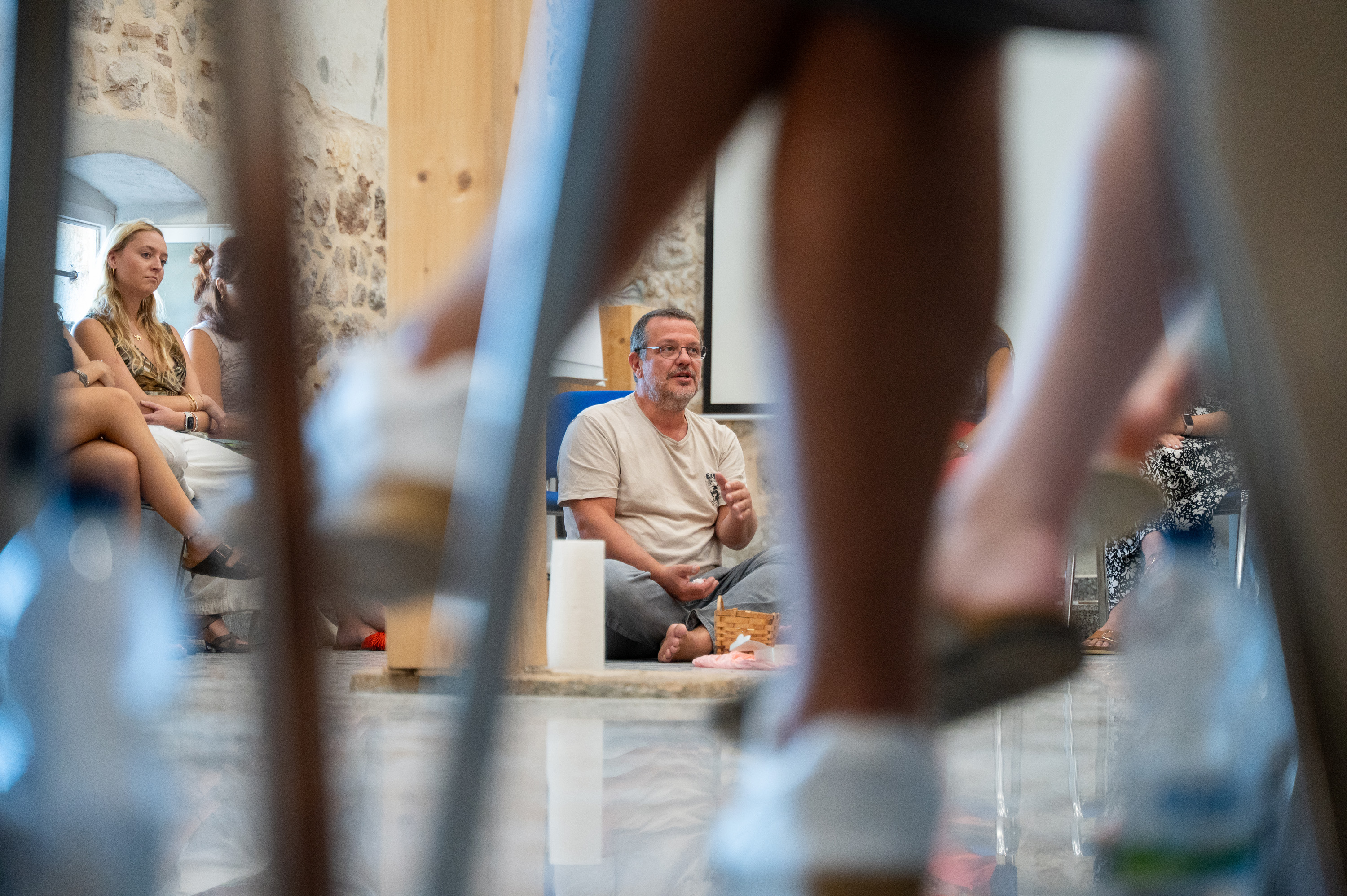
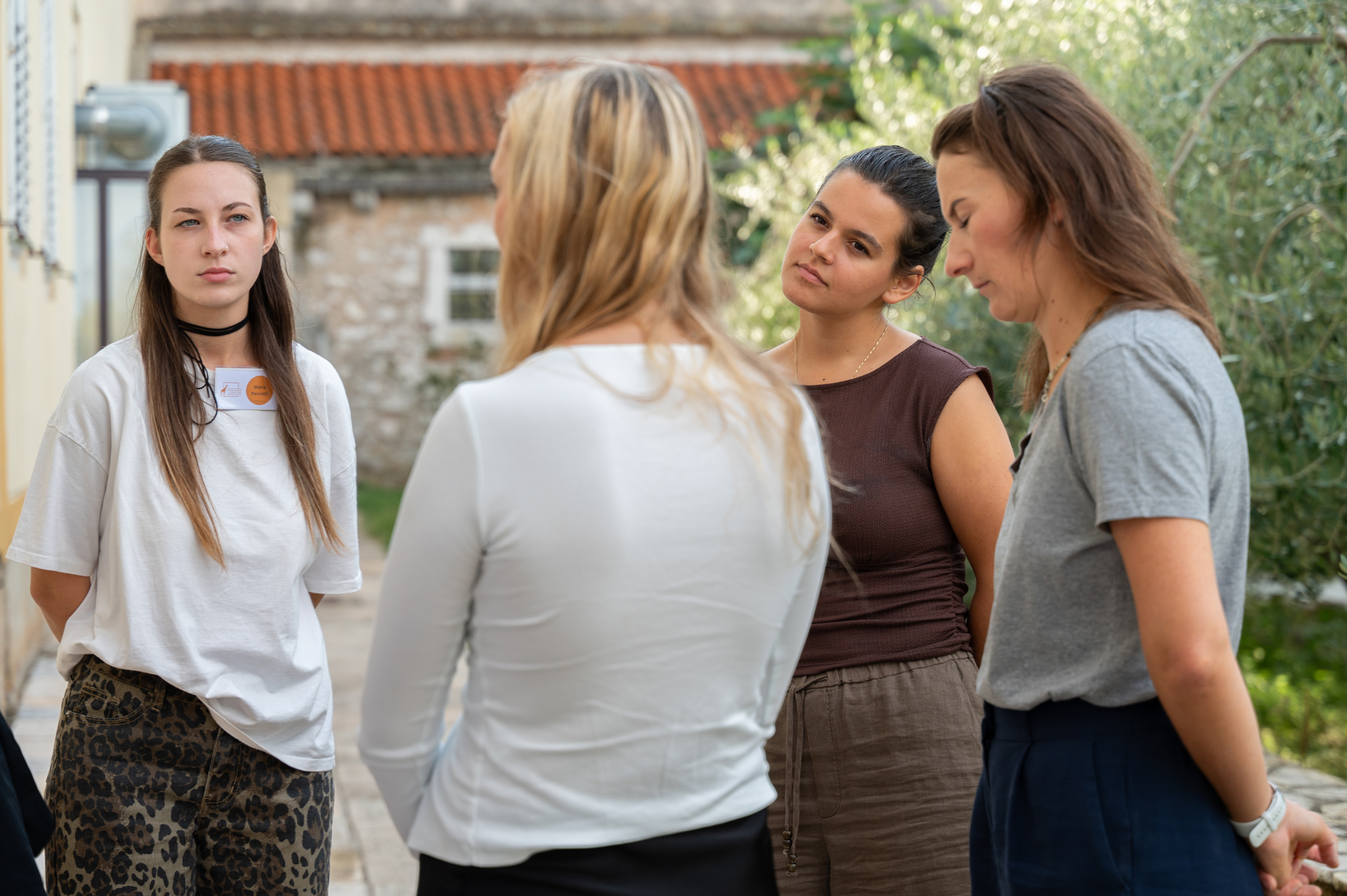
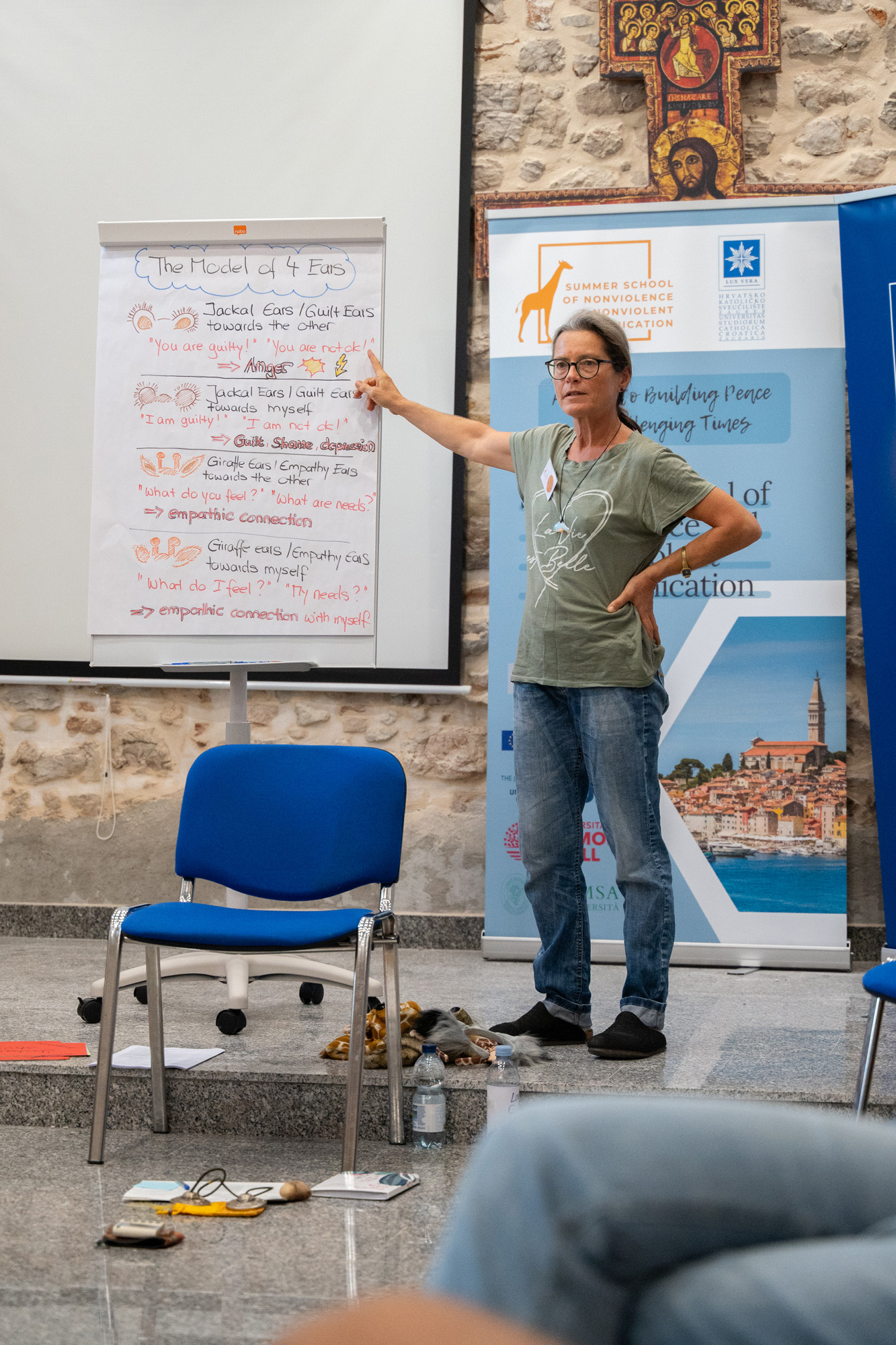
On the third day, certified trainer in nonviolent communication Dmitriy Kopina, Ph.D., led a session on empathy and empathic connection. Participants learned about empathy as the foundation of nonviolent communication and empathic listening as a way to strengthen relationships and deepen understanding. Through practical exercises, they honed active listening techniques such as reflecting on feelings and needs, paraphrasing, and asking open-ended questions.
The fourth day was dedicated to authentic self-expression, guided by nonviolent communication trainer Gordana Stanković. The focus was on developing skills for honest, authentic, and nonviolent expression, enabling participants to communicate thoughts, feelings, and needs clearly while minimizing defensiveness or resistance in others. Practical workshops helped participants distinguish between feelings and thoughts, becoming more aware of situations in which their language masked genuine emotions.
On the fifth day, participants explored conflict resolution and mediation, with sessions led by nonviolent communication trainer Ingrid Halbritter. They were introduced to NVC tools for transforming conflict, reflected on causes and stages of conflict, and practiced methods aimed at fostering understanding rather than escalation. The basics of mediation and the role of mediators in facilitating peaceful resolution were also presented.
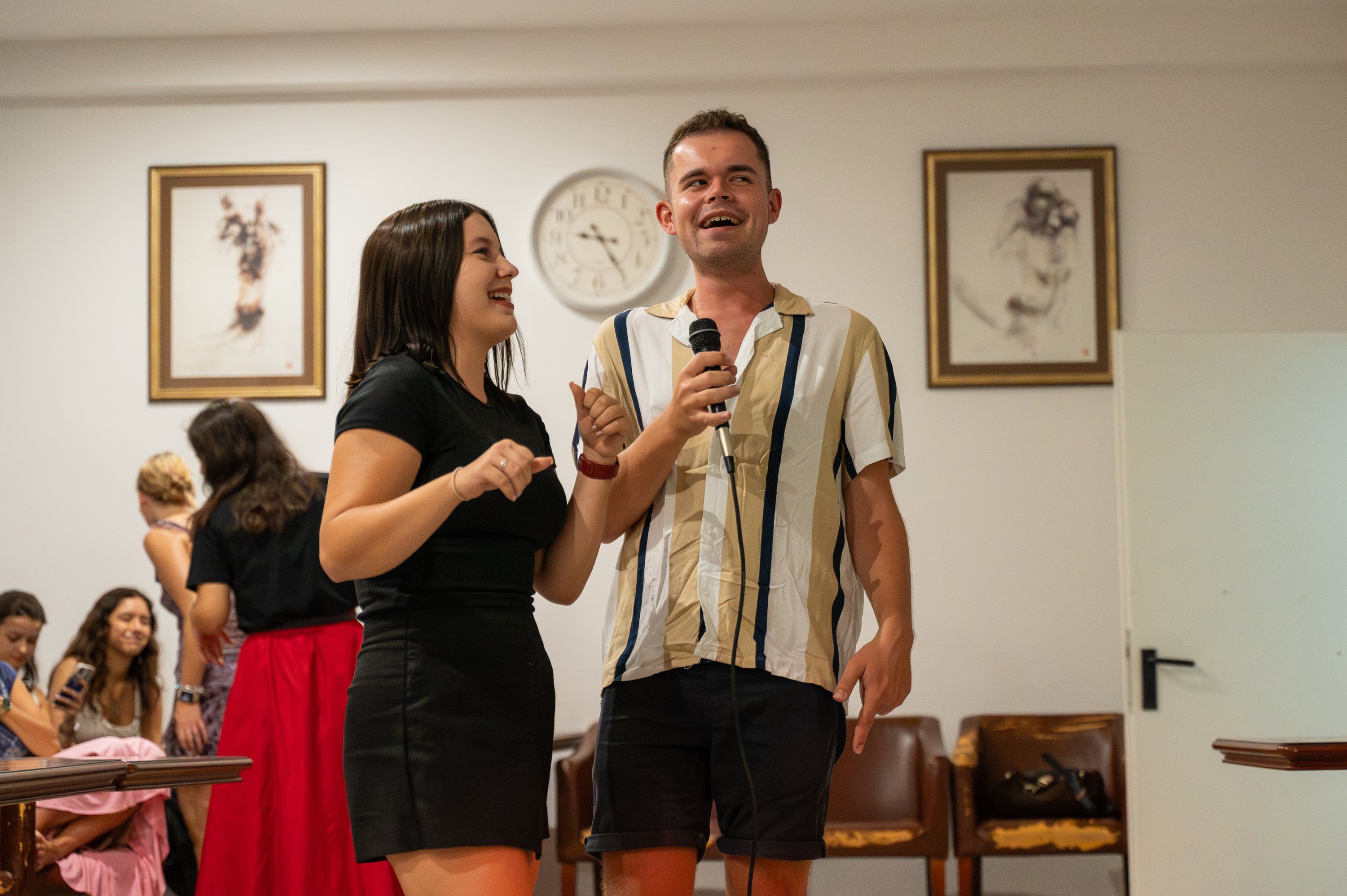
The final day involved group work applying nonviolent communication to community-based examples. Through interactive discussions, participants examined challenges of applying NVC in different social contexts and developed creative solutions for promoting positive change. Emphasis was placed on continuing the practice of NVC beyond the program and on building long-term strategies for integrating its principles into daily life.
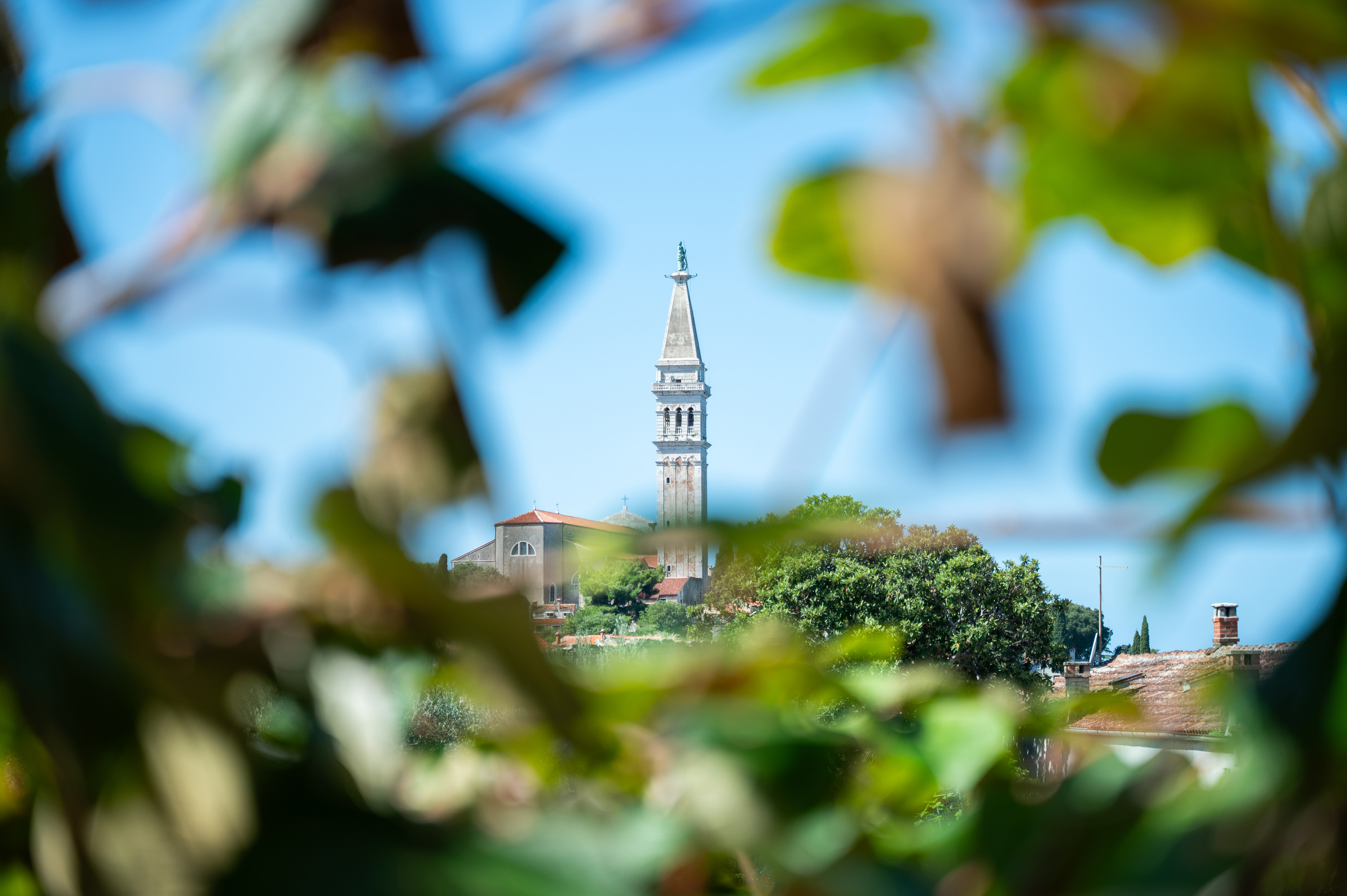
In addition to the academic program, participants had opportunities for fellowship and exploring Rovinj. In cooperation with the Rovinj Tourist Board, they took part in a guided tour of the city’s historical, religious, and cultural landmarks. Since the Summer School was held at the Monastery of St. Francis, participants also visited the monastery’s collection of over 250 artifacts representing diverse testimonies of human creativity and knowledge preserved by the Franciscans over centuries.
The Summer School of Nonviolence and Nonviolent Communication was organized by the Department of Communication Sciences, coordinated by Assoc. Prof. Irena Sever Globan, Ph.D., Assoc. Prof. Marijana Togonal, Ph.D., Senior Assistant Lea Osmančević, Ph.D., and Assistant Hana Kilijan, mag. comm. The initiative seeks to respond to the growing challenges of contemporary society marked by disagreement, division, injustice, armed conflicts, and ideological polarization at interpersonal and global levels.
The program is rooted in the conviction that change is both possible and necessary, beginning when individuals recognize the power of their words and actions in relation to others. Understanding that violence and aggressive communication often stem from unmet needs, the Summer School aimed to open the way toward deeper understanding, reconciliation, and peacebuilding, equipping participants with tools and methods for daily use that can directly contribute to positive change in society.